09:00 – 09:30
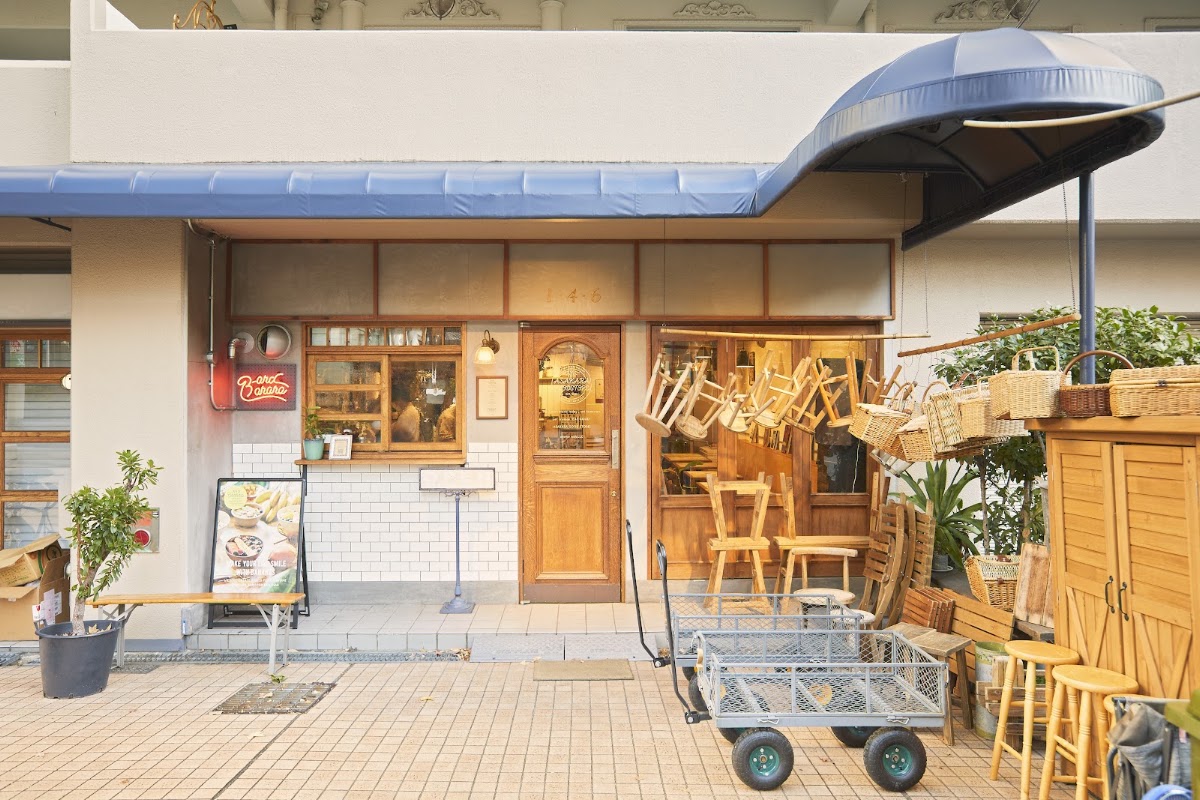
ASAKARA GOOD STORE
Breakfast
4.7(677)· 1-chōme−4−6 法円坂ハイツ 1F102
Cozy cafe with a hip vibe, focusing on all-day breakfast, as well as sandwiches & milkshakes.
Osaka · 4 days · First trip
Four days is the sweet spot for a first trip to Osaka. It is long enough to cover the sights everyone comes for, and short enough that you never have to pretend a fifth temple sounded like a good idea. This plan takes the confident, no-FOMO route: one anchor sight per half-day, a proper sit-down meal at the end of each, and neighbourhoods grouped so you walk more than you commute.
The shape is simple. Day 1 is the castle and the calm river side of the city. Day 2 drops you into Minami, where the markets, the alleys and the canal are. Day 3 heads south to the older shrines and then to the loud retro glow of Shinsekai. Day 4 ties everything together with context and a skyline view before you go home.
This is a real generated itinerary, not a wish list, so you can open this exact trip in the Wayfaro app and regenerate it for your own dates, party size and appetite. Everything below stays in the order the plan actually runs.
This is a real itinerary generated by Wayfaro. Open it in the app to regenerate it for your own dates and preferences.
The trip opens gently at ASAKARA GOOD STORE, a cosy all-day-breakfast cafe where a sandwich and a milkshake buy you the half-hour you need to stop being a person who just got off a plane. It is a deliberate soft start, and it puts you in a good mood for the one sight everybody arrives wanting to see.
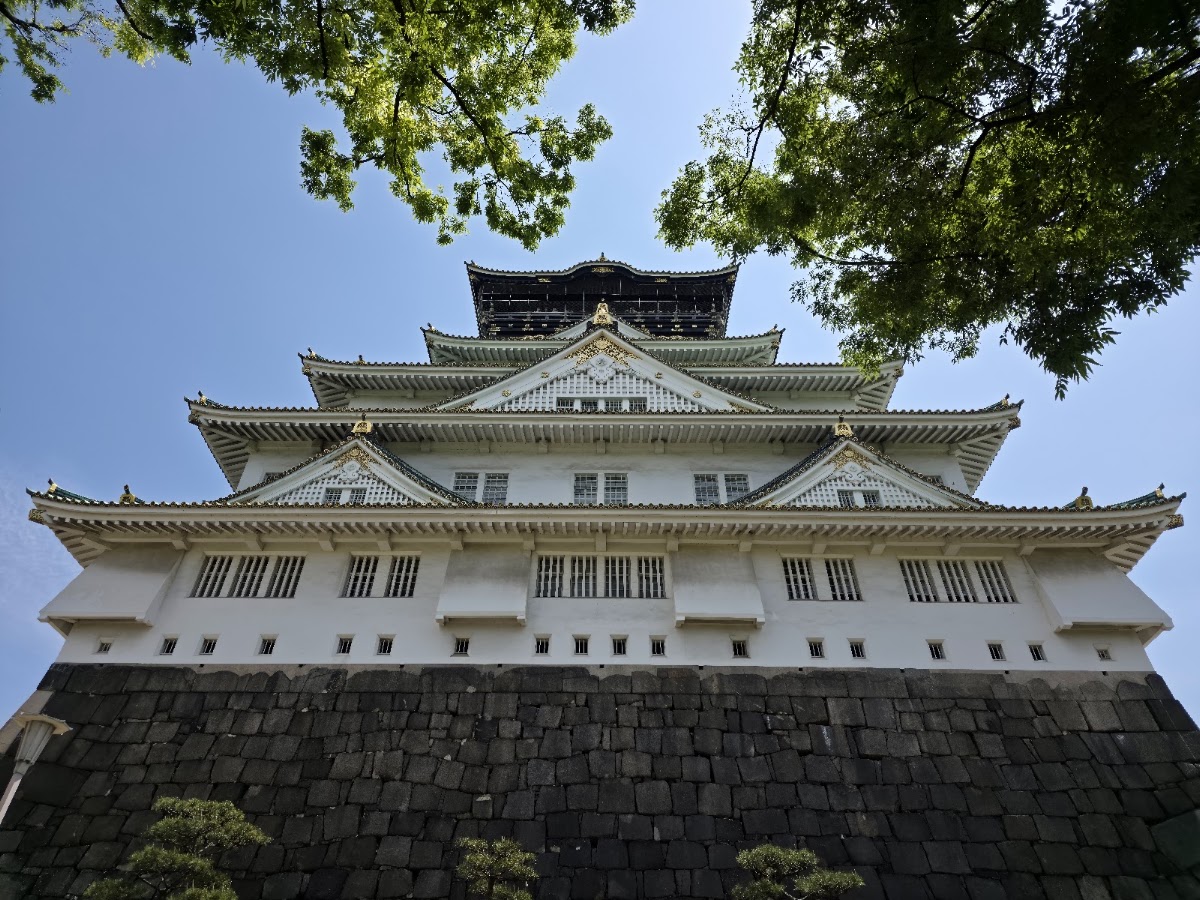
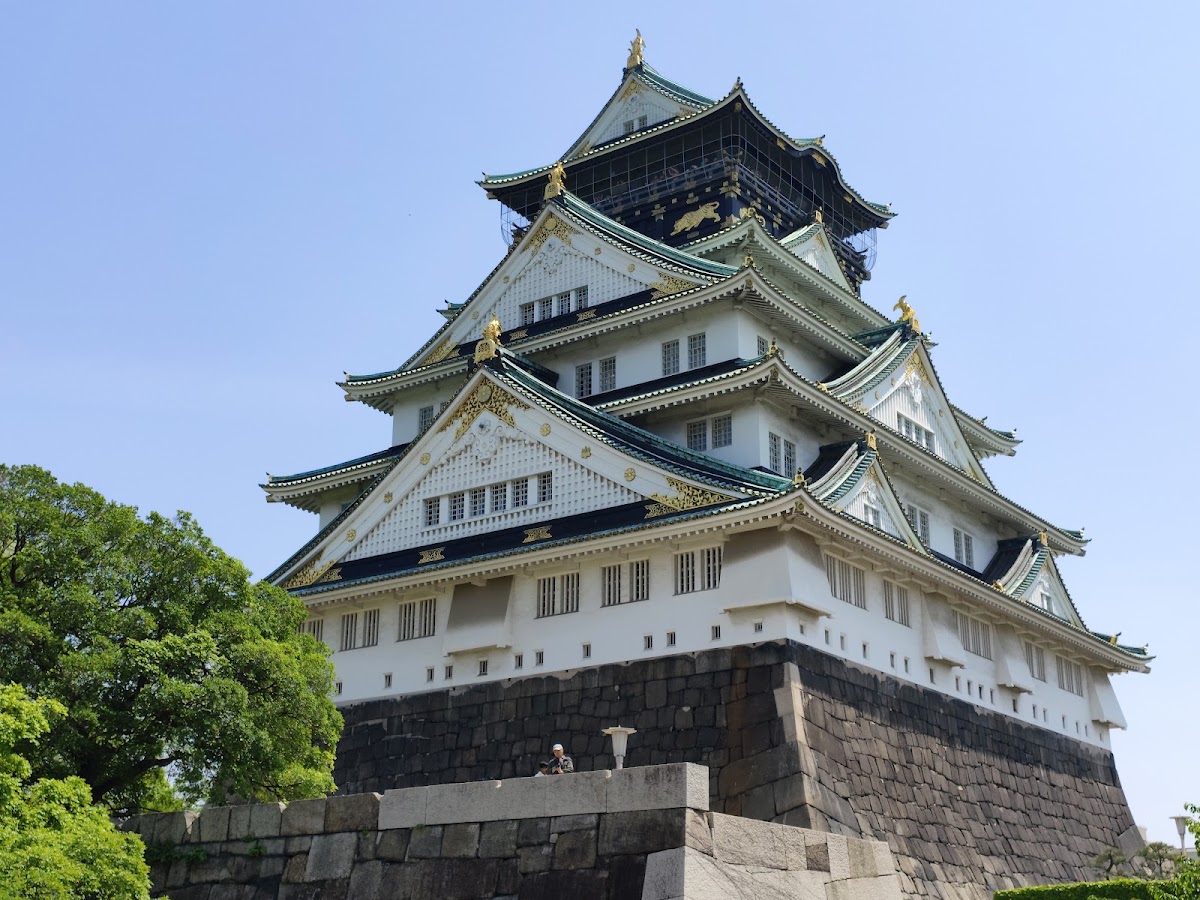
Osaka Castle comes next, early enough that you climb through the museum floors before the queues thicken. Those exhibits are the best possible primer for the rest of the trip, which is exactly why the castle is placed at the front of four days rather than the end. Osaka Castle Park follows immediately, and that pairing is the point: the moats, lawns and open-air stages are where the rebuilt keep finally reads at full scale, and it is flat, unhurried walking rather than another ticket line. Lunch lands nearby at sumigg's.
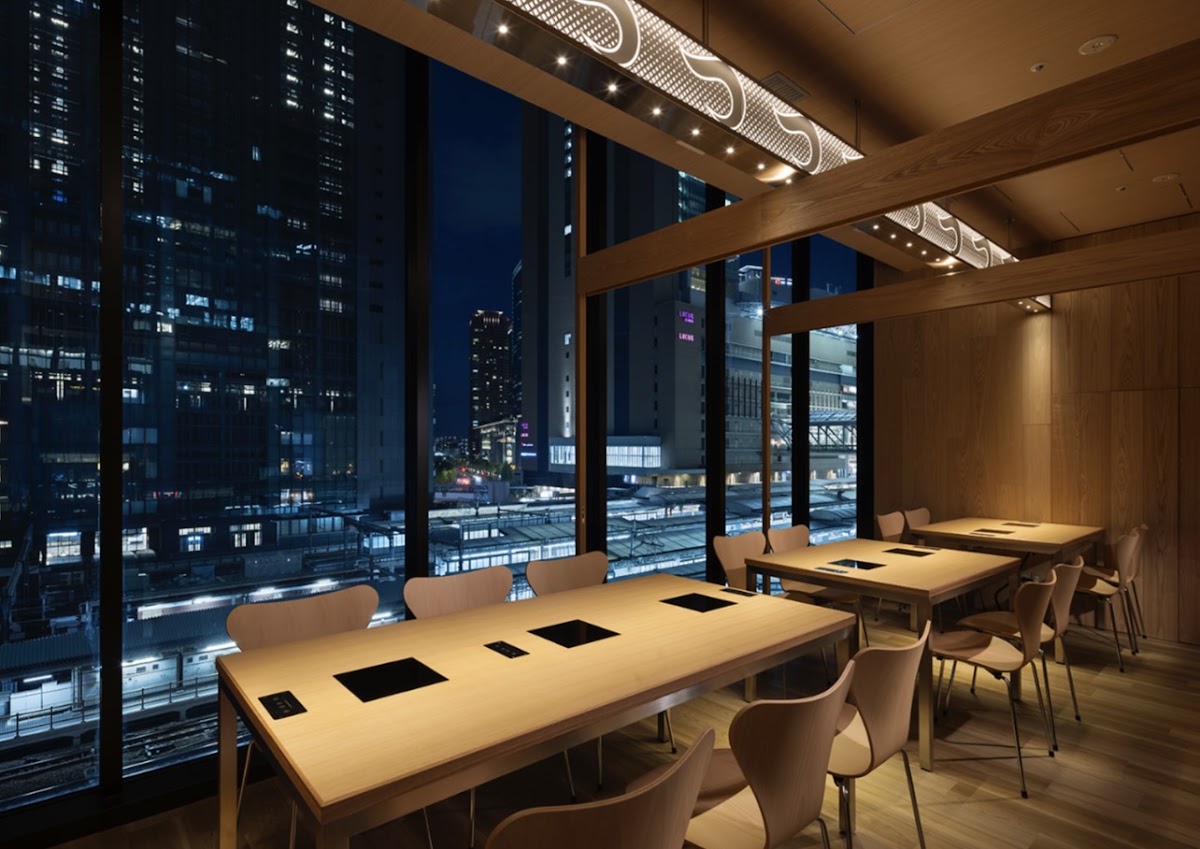
The afternoon shifts north-west and gets quieter. Osaka Tenmangu Shrine is a working neighbourhood shrine rather than a monument behind glass, and it is worth seeing while the light is still high. Then Nakanoshima Park, on the sandbar between two rivers, with its rose garden, library and museum frontage — a park is the right thing to do on tired legs, so it sits after the shrine, not before. Dinner closes the day at SUKIYAKI SHABUSHABU TSUKADA, where you cook at your own table and nobody is in a rush.
09:00 – 09:30
4.7(677)· 1-chōme−4−6 法円坂ハイツ 1F102
Cozy cafe with a hip vibe, focusing on all-day breakfast, as well as sandwiches & milkshakes.
10:00 – 11:30
4.4(99K)· 540-0002
Revered castle dating to 1597 & since rebuilt, featuring gardens & a museum with varied exhibits.
11:45 – 12:30
4.4(51K)· 540-0002
Vast green space offering gardens with cherry blossoms, athletic fields, open-air theaters & more.

13:00 – 14:00
4.8

15:00 – 15:45
4.3(10K)· 530-0041
10th-century Shinto shrine & site of one of Japan's biggest festivals, Tenjin Matsuri, held in July.

16:15 – 17:30
4.2(6.5K)· 530-0005
Founded in 1891 as Osaka's first public park, featuring a library, rose garden & ceramics museum.
19:00 – 20:00
4.8(4K)· 3-chōme−2−2 KITTE大阪 5F
Day 2 starts at UNREAL and then stays in the south of the city all day, which is why it feels like the easiest day of the four: almost everything is within walking distance of everything else. Namba Yasaka Jinja comes early, partly because the shrine's enormous lion-head stage is the kind of thing you want to see without a scrum around it, and partly because it is a two-minute walk from the day's main event.
That main event is Kuromon Market. Graze first — the stalls are the reason to come, with fresh produce, shellfish and street food down a covered spine — then sit down properly at Kuromon Kobe Beef & Beef Cutlet, so you get both the browsing and a real meal instead of grazing until you feel odd. Hozen-ji follows as a palate cleanser: a tiny temple down a stone alley with a moss-covered Fudomyoo statue that visitors keep wet with ladled water.
The neon is saved for last on purpose. The Osaka Walking Tour with Dotonbori River Cruise takes you through the backstreets and onto the water, and the giant billboards along the canal simply look better once they are lit. Dinner afterwards is monjayaki at Tsukishima Monja Kuuya Namba — griddle food, low tables, an unhurried finish to a loud day.
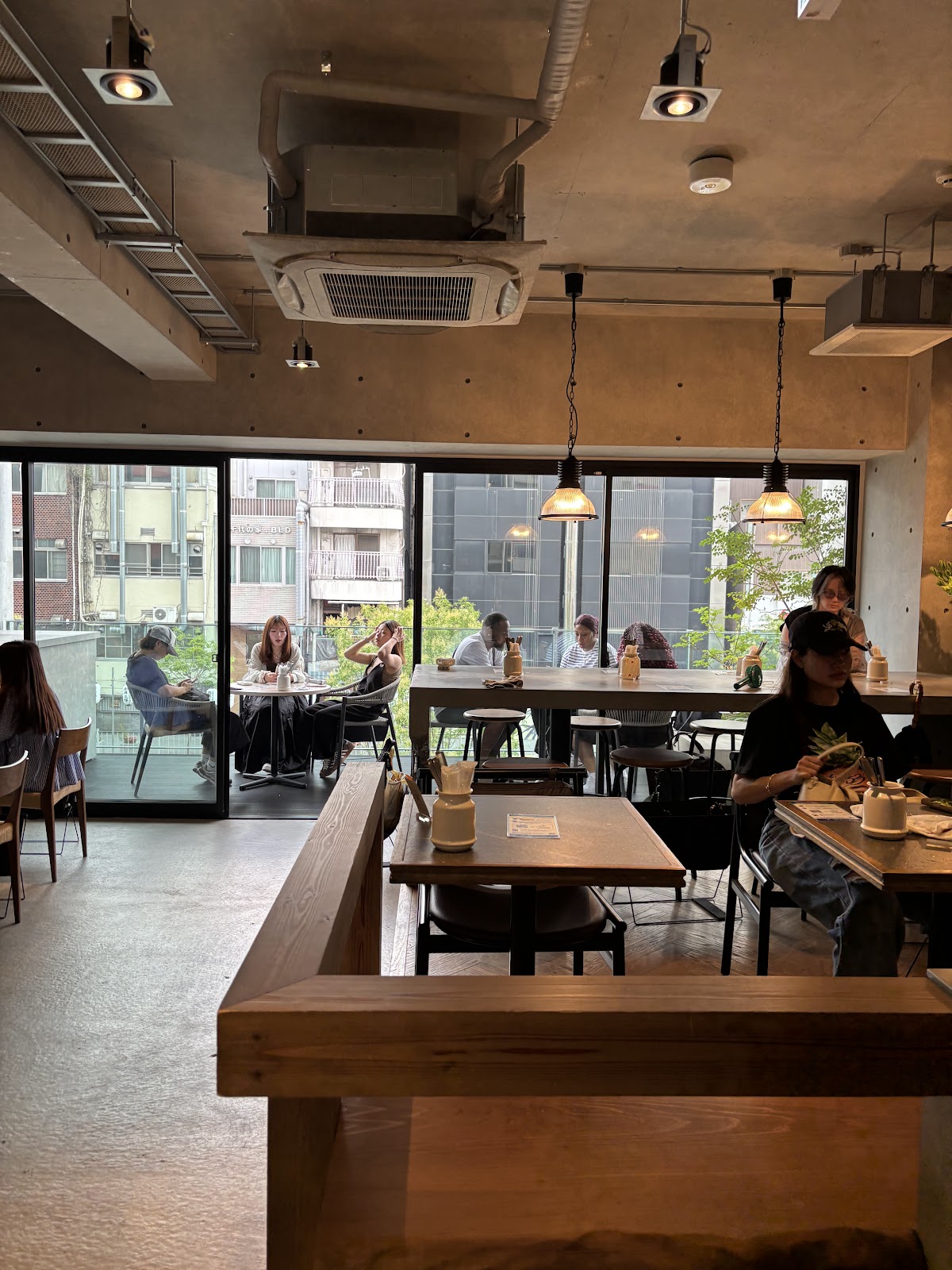
08:30 – 09:00
4.9(1.4K)· 2-chōme−6−7 S-front道頓堀 2F
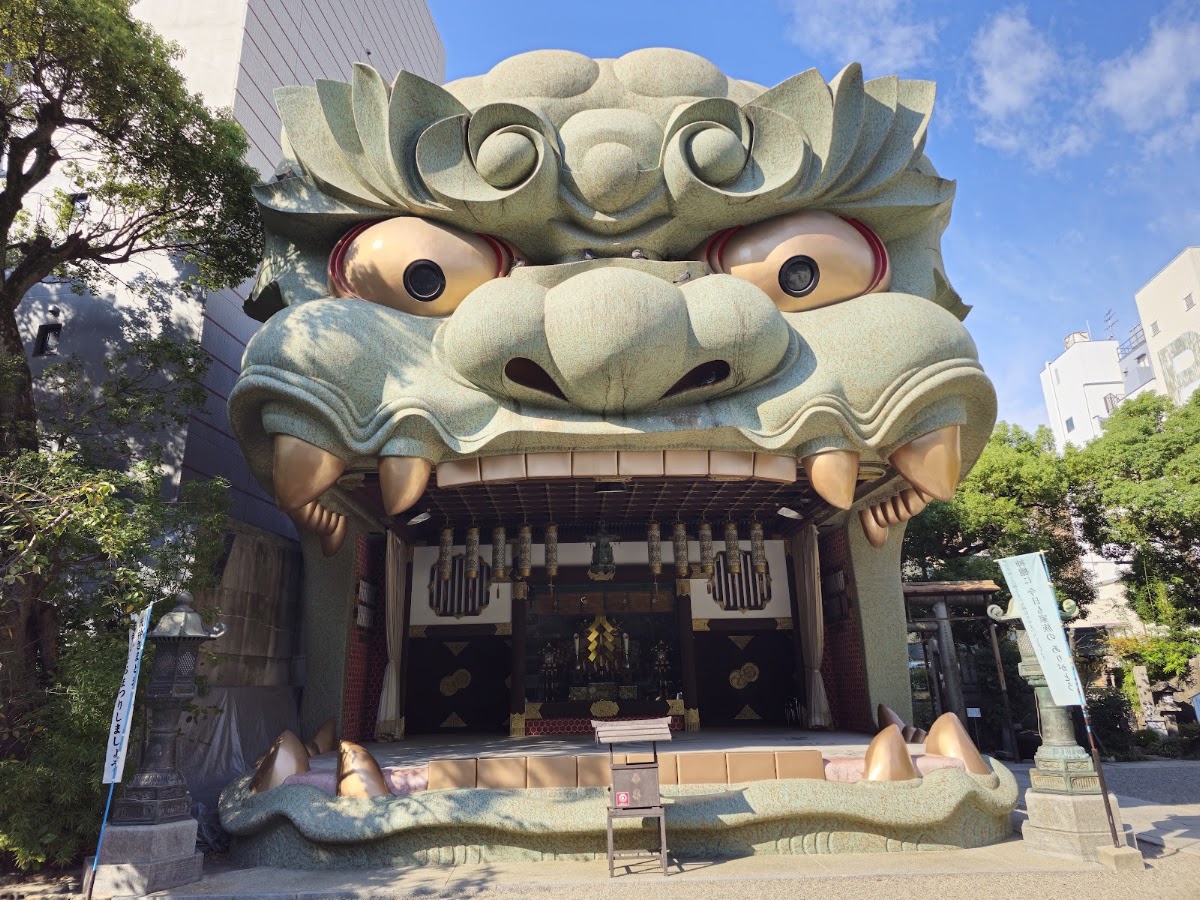
09:30 – 10:15
4.5(16K)· 556-0016
Small shrine featuring a ritualistic performance stage in the shape of a lion's head.
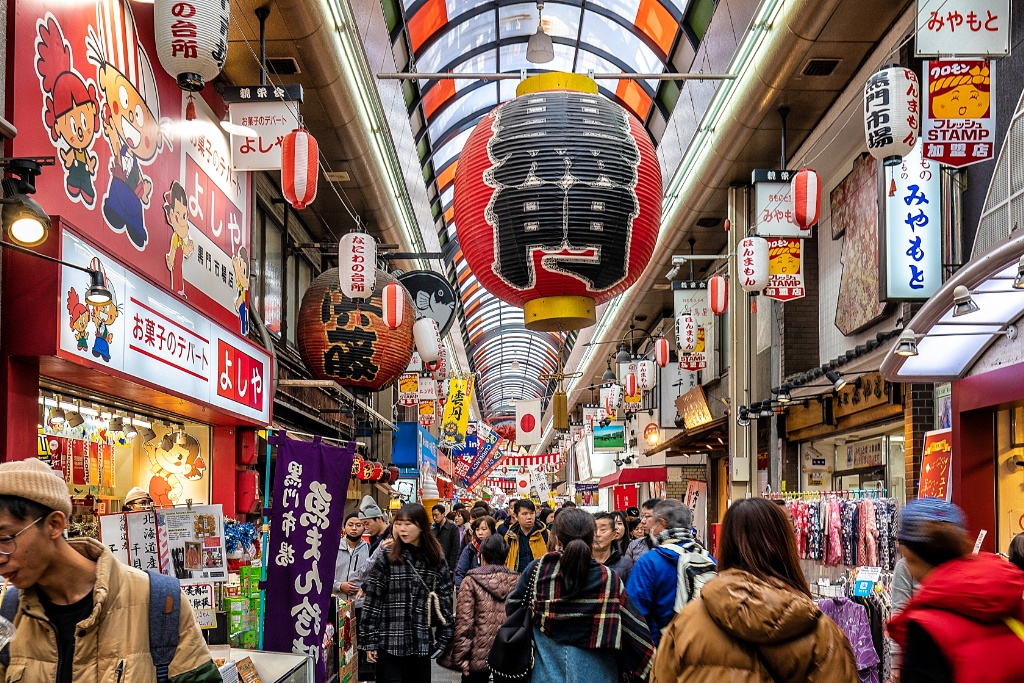
10:45 – 11:30
4.1(21K)· 542-0073
Spacious market with vendors selling street food, fresh produce & shellfish, plus souvenirs.

13:00 – 14:00
4.8(2.9K)· 542-0073
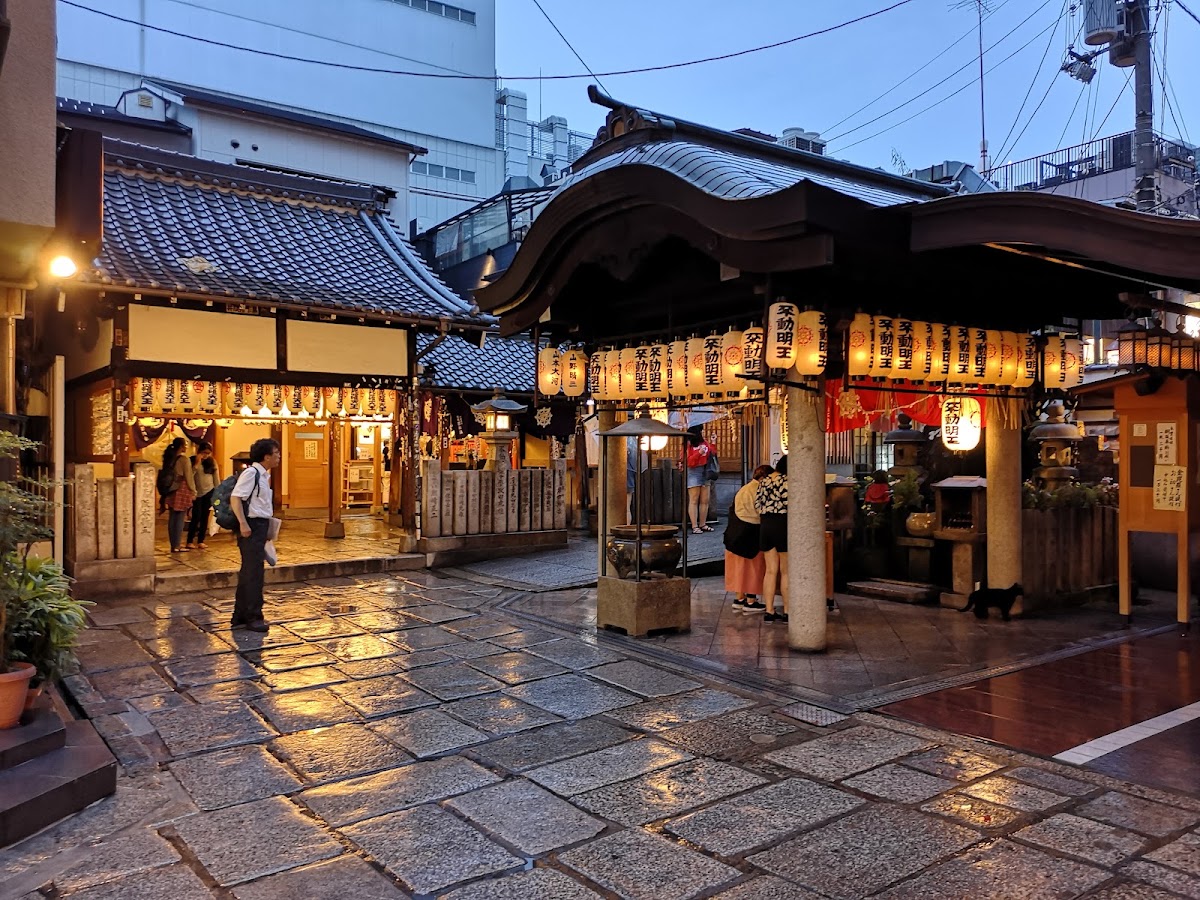
14:30 – 15:15
4.4(4.5K)· 542-0076
Intimate Buddhist temple along a quaint alley, with a moss-covered statue of the deity Fudomyoo.

16:00 – 18:00
5(114)
[Highlights] Boarding the Dotonbori River Cruise Secret backstreets of the city Check out for Street Food(Takoyaki, Gyoza, etc) Iconic giant billboards Osaka…

19:00 – 20:00
4.9(4K)· 542-0071
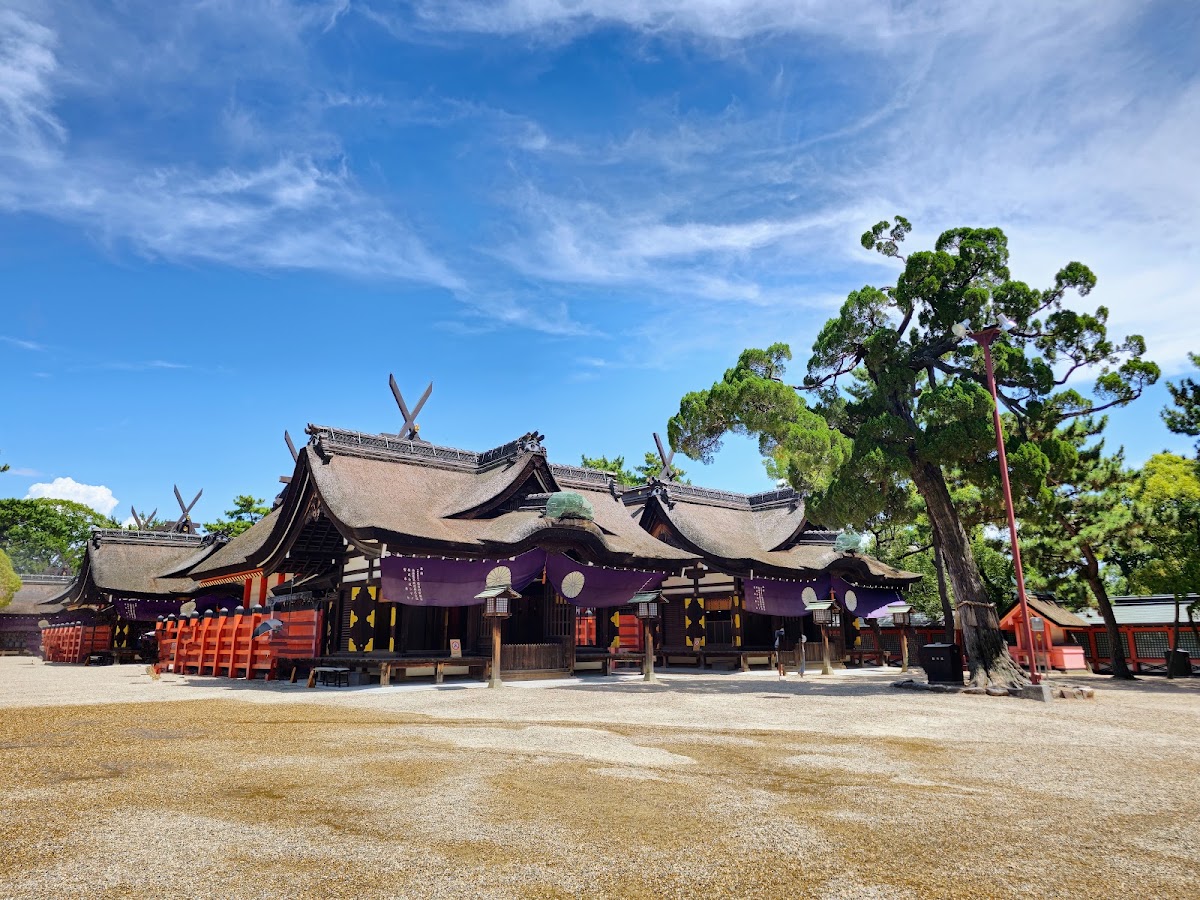
Coffee at maZe nishihorie sets you up for the most spread-out day of the trip, and the route runs south to north so you are never doubling back. Sumiyoshi Taisha comes while the grounds are still calm — its architecture is unlike anything else on this plan, and its garden is the quietest ten minutes you will get all week.
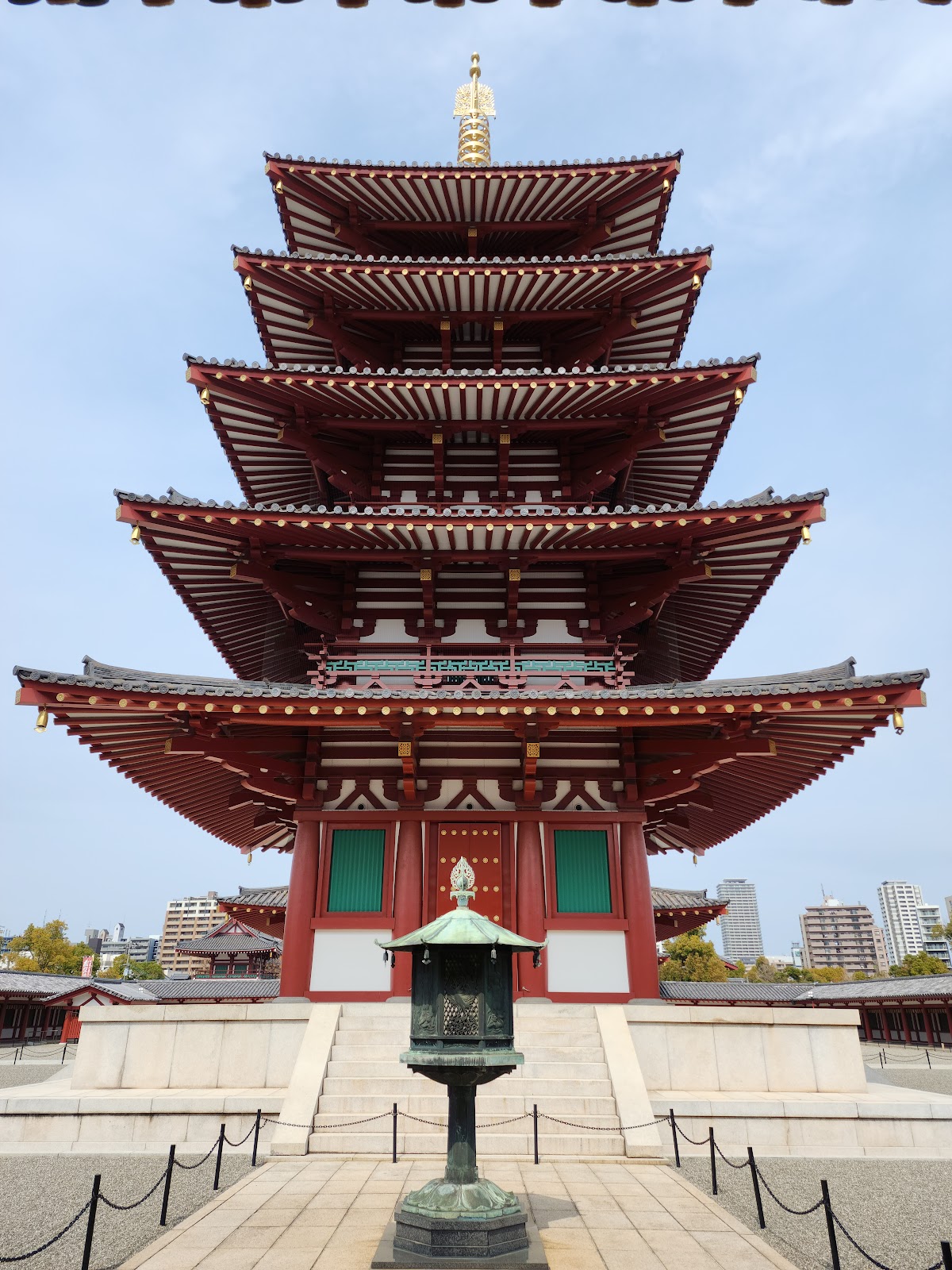
Shitennō-ji is next, and the two shrines and temples work well back to back because they are so different in feel: where Sumiyoshi Taisha is austere and wooden, Shitennō-ji is a broad complex of statues, turtle ponds and a tall tiered pagoda you can see from the courtyard. Lunch at Tsutai breaks the two halves of the day apart.
Then the tone flips completely. Shinsekai is a bright, cluttered, unapologetically retro district of restaurants and souvenir shops, and Tsutenkaku stands over it with an observation deck worth the lift ticket for the view back across the neighbourhood. Do the deck late, when the district's lights are on. Dinner is deep-fried skewers at Shinsekai Kushikatsu Ittoku Main Store, which is the dish this exact neighbourhood is known for — one dip in the sauce each, no exceptions.

08:30 – 09:00
4.7(1.3K)· 550-0014
10:00 – 10:45
4.5(14K)· 558-0045
Shinto shrine with a peaceful garden, plus structures rebuilt repeatedly since the 3rd century.
11:30 – 12:15
4.4(13K)· 543-0051
Restored Buddhist temple first built in 593 with a 5-story pagoda, statues & ponds with turtles.

13:00 – 14:00
4.8

15:30 – 16:30
4.2(10K)· 556-0002
Bustling, colorful district created in 1912 with a 103-m tower, restaurants & souvenir shops.

17:00 – 17:45
4.1(43K)· 556-0002
Famous for its neon lights, this landmark features an observation deck open to the public.

19:00 – 20:00
4.5(9.8K)· 556-0002
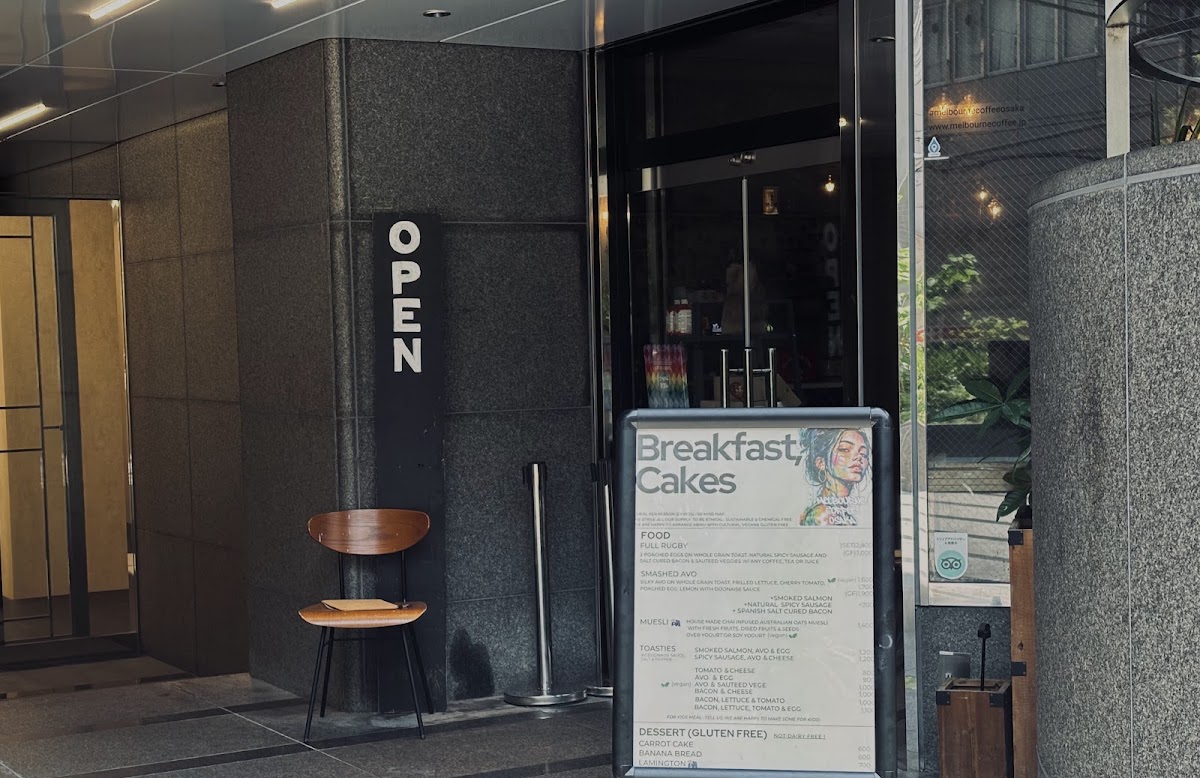
The final day is built for a flexible departure, so it starts with a flat white at Melbourne Coffee Senba and stays close to the transit spine. Osaka Museum of History comes early because it is the payoff for everything you have already walked past: exhibits run from the city's ancient layers to the present day, and after three days on the ground the timeline finally has somewhere to stick.
Lunch at Hakkakuan Osaka Station City keeps you near the station, luggage and all, and then the afternoon is deliberately light. Samuhara Shrine is small, landscaped and calm, best known for an amulet said to keep bad luck away — a two-minute stop that most itineraries would skip and most travellers are glad they did not.
Umeda Sky Building is the correct place to end four days: a rooftop garden observatory strung between two towers, with the whole city laid out below including the districts you have been walking through all week. Save it for the end of the afternoon. Dinner is tempura and noodles at HALAL WAGYU Tempura Noodle SHINJUKU-TEI OSAKA Umeda, a short walk away, so the day ends where your onward train does.
08:30 – 09:00
4.5(944)· 542-0081

10:00 – 11:15
4.2(7K)· 540-0008
Contemporary museum with exhibits detailing Osaka history from ancient times to the present day.

12:45 – 13:45
4.7(8.8K)· 3-chōme−1−1 ルクアサウス16F

15:15 – 16:00
4.4(3.8K)· 550-0012
Tranquil Shinto shrine in landscaped grounds & displaying an amulet said to ward away bad luck.

17:30 – 18:15
4.4(43K)· 531-6023
Connected skyscrapers with a rooftop garden observatory, plus a restaurant & lounge with city views.

19:00 – 20:00
4.8(3.1K)· 2-chōme−5−30 7F
Osaka is at its most comfortable in spring and autumn, when mild, dry days make long walks between shrines, parks and markets genuinely pleasant. Summer is hot and humid, so build in indoor breaks and drink more water than you think you need. Winter is cool rather than harsh, and the city's covered arcades and food halls keep sightseeing easy. Shoulder season gives you the best balance of weather and crowds, but this itinerary works year-round, because every stop on it runs in all seasons.
For a first visit, yes — comfortably. This plan gives each day one major anchor (the castle, Kuromon Market, Sumiyoshi Taisha and Shitennō-ji, the Umeda skyline) plus two or three lighter stops and a proper dinner, which is about six hours of actual sightseeing a day. That is enough to cover the essentials without the grind of a three-day sprint, and it still leaves slack for a long lunch or an unplanned detour. A fifth day would only buy you day trips, not more Osaka.
A fair amount, but it is spread out. Days 1 and 3 have the longest stretches on foot — Osaka Castle Park and Nakanoshima Park on one, the Shinsekai streets on the other — while Day 2 keeps you inside one compact neighbourhood, from Namba Yasaka Jinja to Kuromon Market to Hozen-ji. Trains cover the gaps between areas, so you are never walking between districts.
Only the Osaka Walking Tour with Dotonbori River Cruise, which runs on set departures. The shrines and parks need nothing, Osaka Castle, Tsutenkaku, Osaka Museum of History and Umeda Sky Building sell tickets at the door, and the restaurants on this plan are walk-in friendly, though the sukiyaki dinner is worth reserving if you are a group.
Yes. This is a real Wayfaro itinerary, so you can open this exact trip in the app and regenerate it for your own dates, group size, pace and food preferences. Swap a temple for a market, stretch it to five days, or make it slower — the plan rebuilds around what you actually want.
Osaka · 2 days
2 Days in Osaka: The Perfect First-Timer ItineraryOsaka · 3 days
3 Days in Osaka: The Perfect First-Timer ItineraryAmsterdam · 2 days
2 Days in Amsterdam: The Perfect First-Trip ItineraryAnnecy · 2 days
2 Days in Annecy: The Perfect First-Timer's ItineraryTell Wayfaro how you travel and get a personalized day-by-day itinerary in minutes.