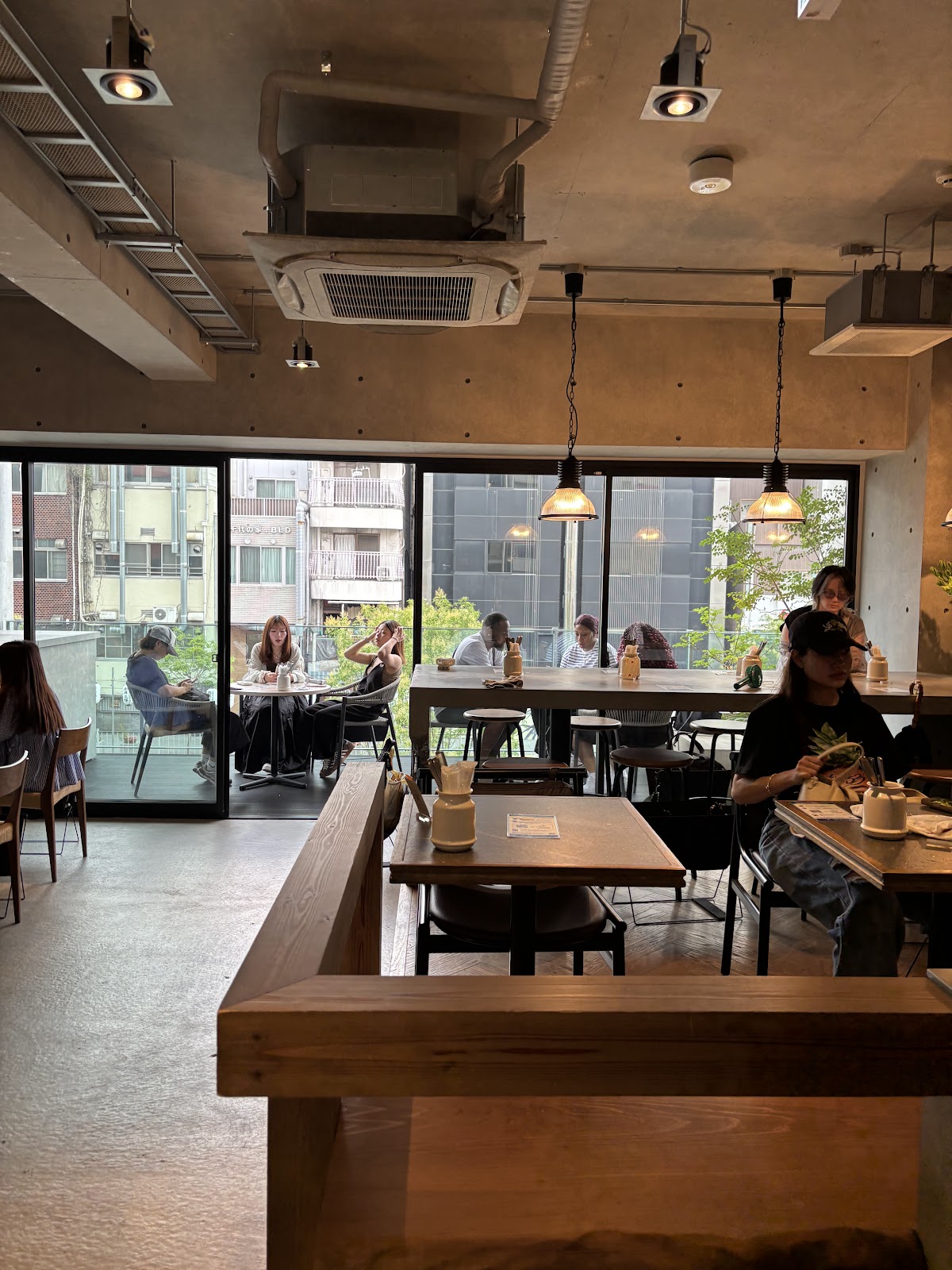
09:00 – 09:30
UNREAL
Breakfast
4.9(1.4K)· 2-chōme−6−7 S-front道頓堀 2F
Osaka · 3 days · First trip
Three days is the honest sweet spot for a first visit to Osaka: long enough to reach the sights you actually came for, short enough that the plan has to choose well. This one chooses for you. Each day stays inside one part of town, the walking does most of the connecting, and three proper meals are built into the schedule rather than improvised at the last minute.
Day 1 is the loud, food-first introduction — Kuromon Market, the lion-headed stage at Namba Yasaka Jinja, the alley temple of Hozen-ji, then Dotonbori and the Glico Sign Dotonbori once the billboards are lit. Day 2 goes wide and green: Osaka Castle Park, Osaka Castle itself, Nakanoshima Rose Garden and the decks of Kuchu Teien Observatory. Day 3 slows right down for the city's oldest religious ground, Shitennō-ji and Sumiyoshi Taisha.
It reads like a friend's plan because it behaves like one: no deep-cut detours, no doubling back, and enough slack between stops that a long lunch never wrecks the rest of the day. You can open this exact trip in the Wayfaro app and regenerate it for your own dates — the schedule rebuilds around your travel window, and you can swap or drop anything that does not suit you.
This is a real itinerary generated by Wayfaro. Open it in the app to regenerate it for your own dates and preferences.
The day opens with breakfast at UNREAL — yes, that is the name — and the timing is deliberate: Kuromon Market lands far better on a settled stomach. The market is a spacious covered arcade of vendors selling street food, fresh produce and shellfish alongside souvenir stalls, and the right way to do it is to graze. A skewer here, a shellfish counter there, nothing that commits you to a full sit-down meal you would regret two hours later.
Namba Yasaka Jinja is the first real change of register, a small shrine built around a ritual performance stage carved in the shape of a lion's head — startling the moment you step in, and quick to take in. Lunch at Udon Tamatama Japanese noodle keeps you inside the same walkable pocket, and Hozen-ji afterwards is the market's exact counterweight: an intimate Buddhist temple down a quaint alley, with a moss-covered statue of the deity Fudomyoo and almost no noise at all.
The rest of the afternoon is deliberately back-loaded. Dotonbori and the Glico Sign Dotonbori share one long block of time because they are really one experience — a lively entertainment district of soaring illuminated billboards, restaurants and theatres, with the most famous billboard of the lot as its landmark — and both read better as the light goes. A coffee at Cafe LA breaks the stretch before dinner at Japanese Omakase Restaurant YOSAKURA, close enough that the evening never turns into a commute.
09:00 – 09:30
4.9(1.4K)· 2-chōme−6−7 S-front道頓堀 2F
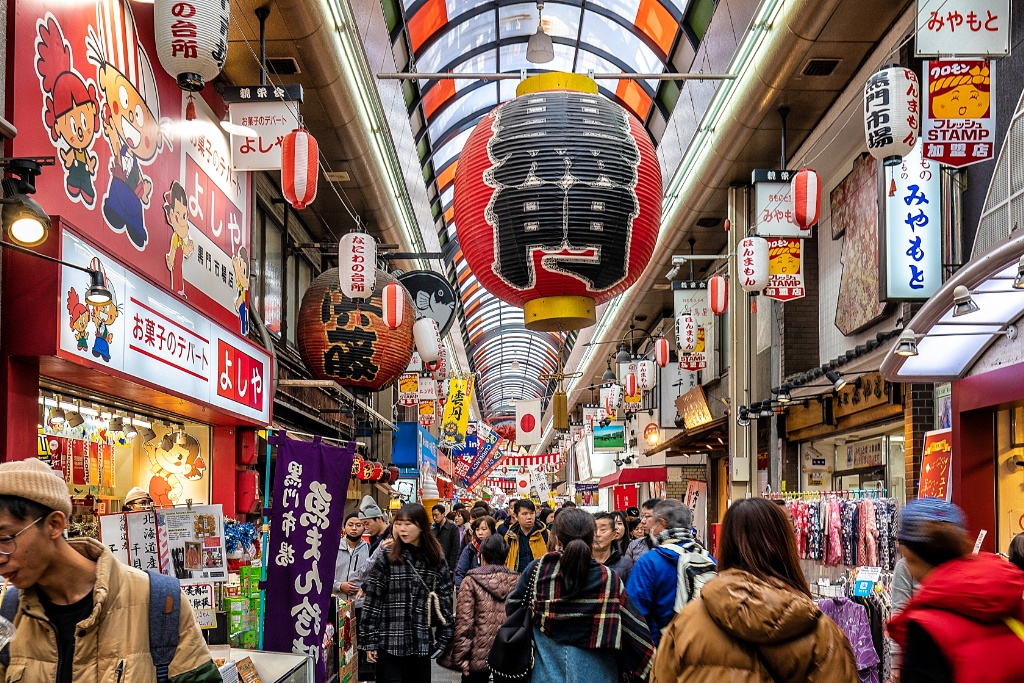
09:45 – 10:30
4.1(21K)· 542-0073
Spacious market with vendors selling street food, fresh produce & shellfish, plus souvenirs.
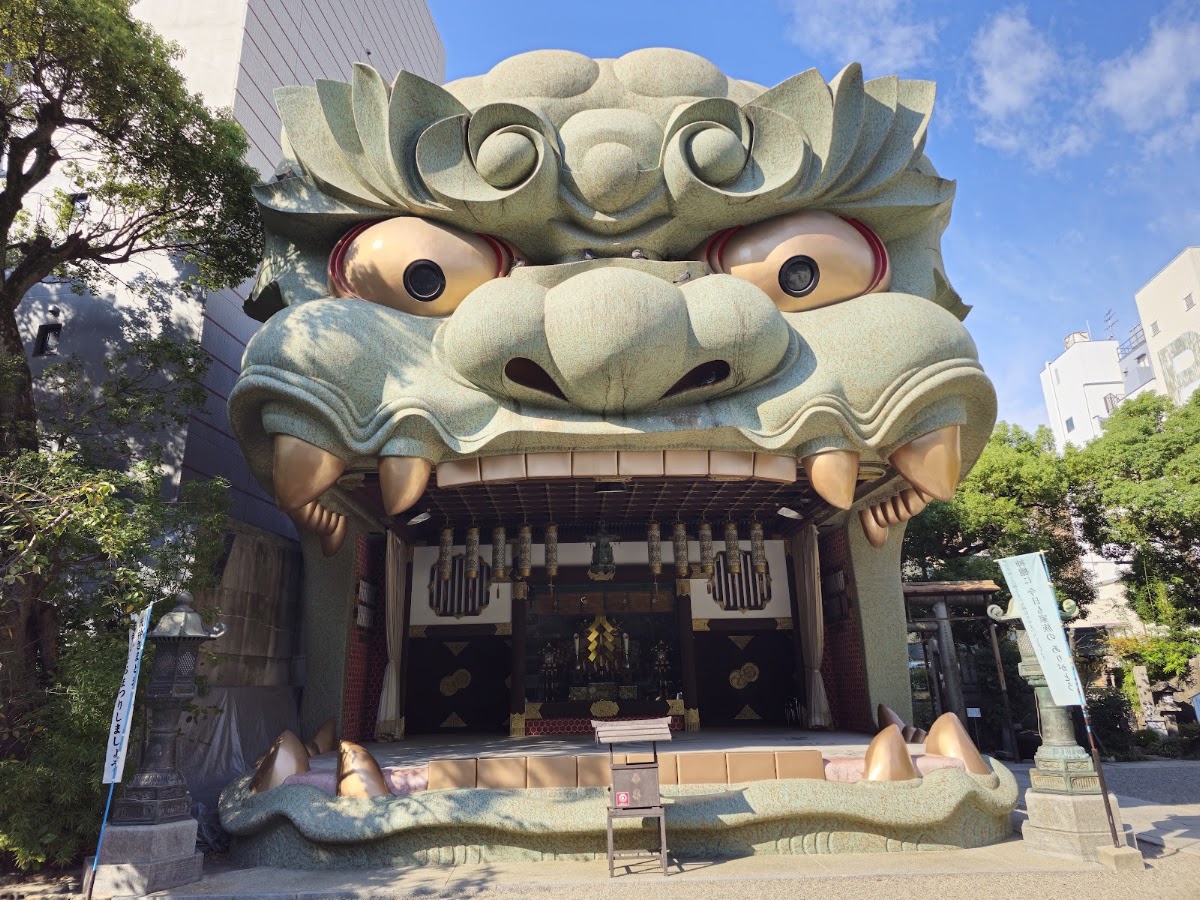
11:00 – 11:45
4.5(16K)· 556-0016
Small shrine featuring a ritualistic performance stage in the shape of a lion's head.
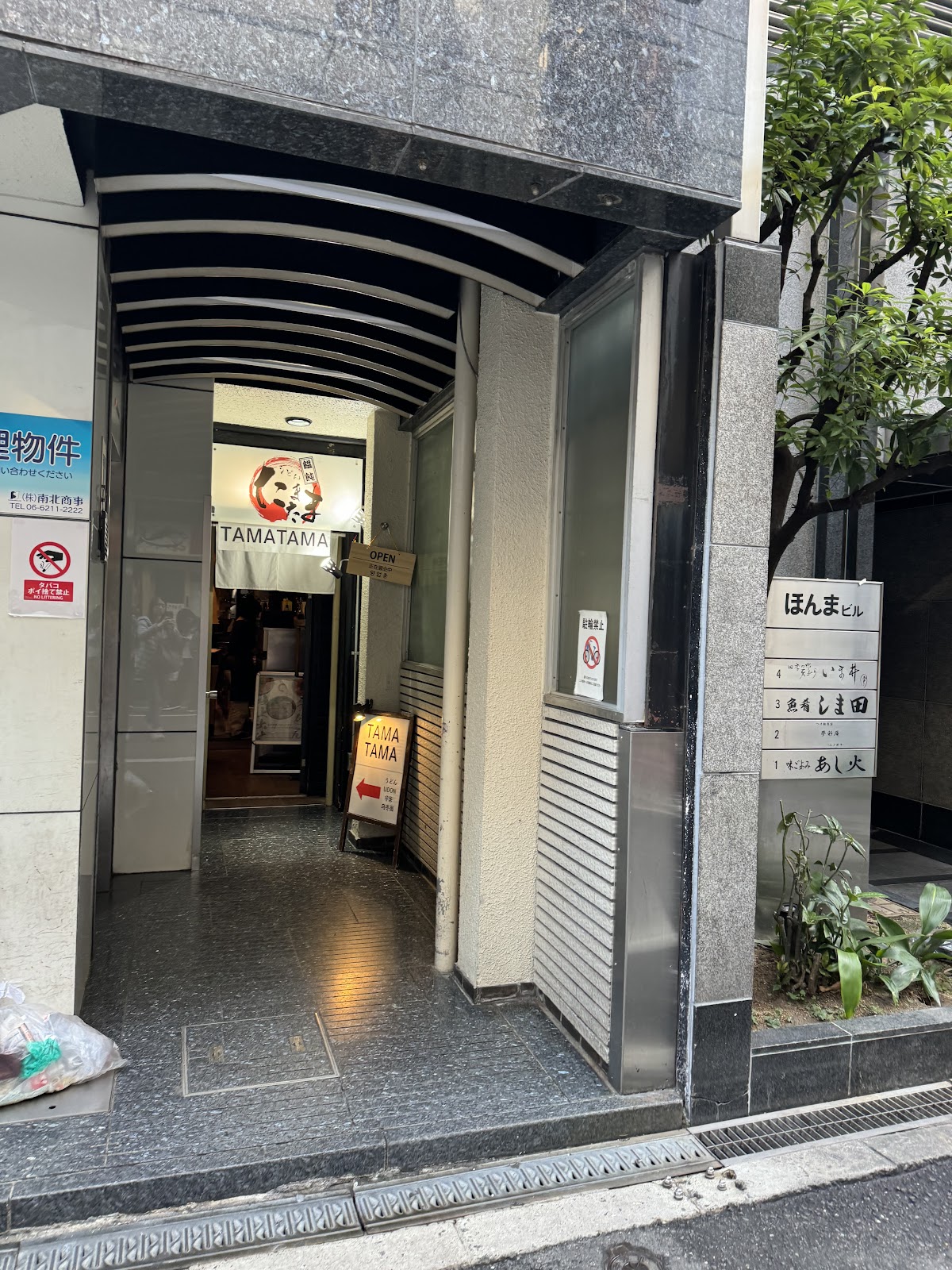
13:00 – 14:00
4.7(3.7K)· 2-chōme−7−11 白ビル 1階
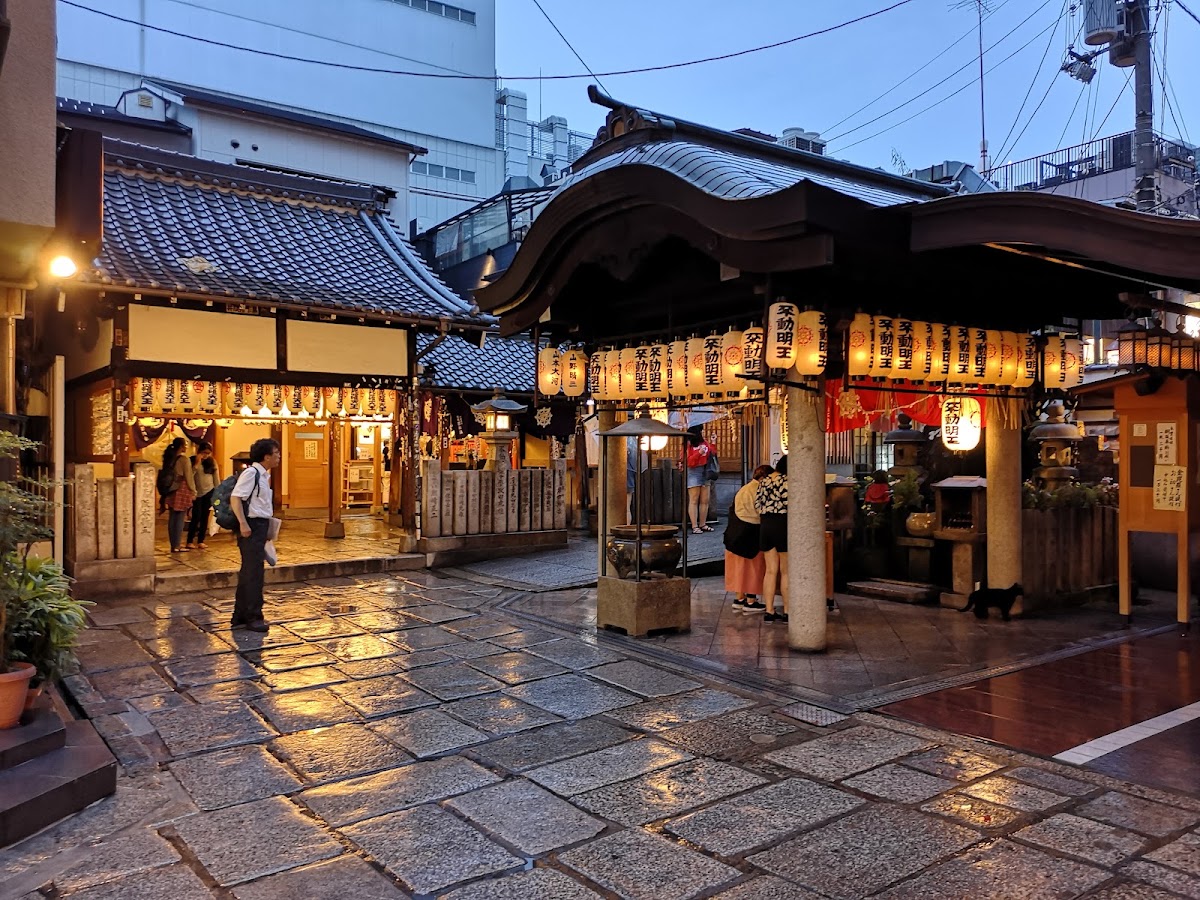
14:15 – 15:00
4.4(4.5K)· 542-0076
Intimate Buddhist temple along a quaint alley, with a moss-covered statue of the deity Fudomyoo.
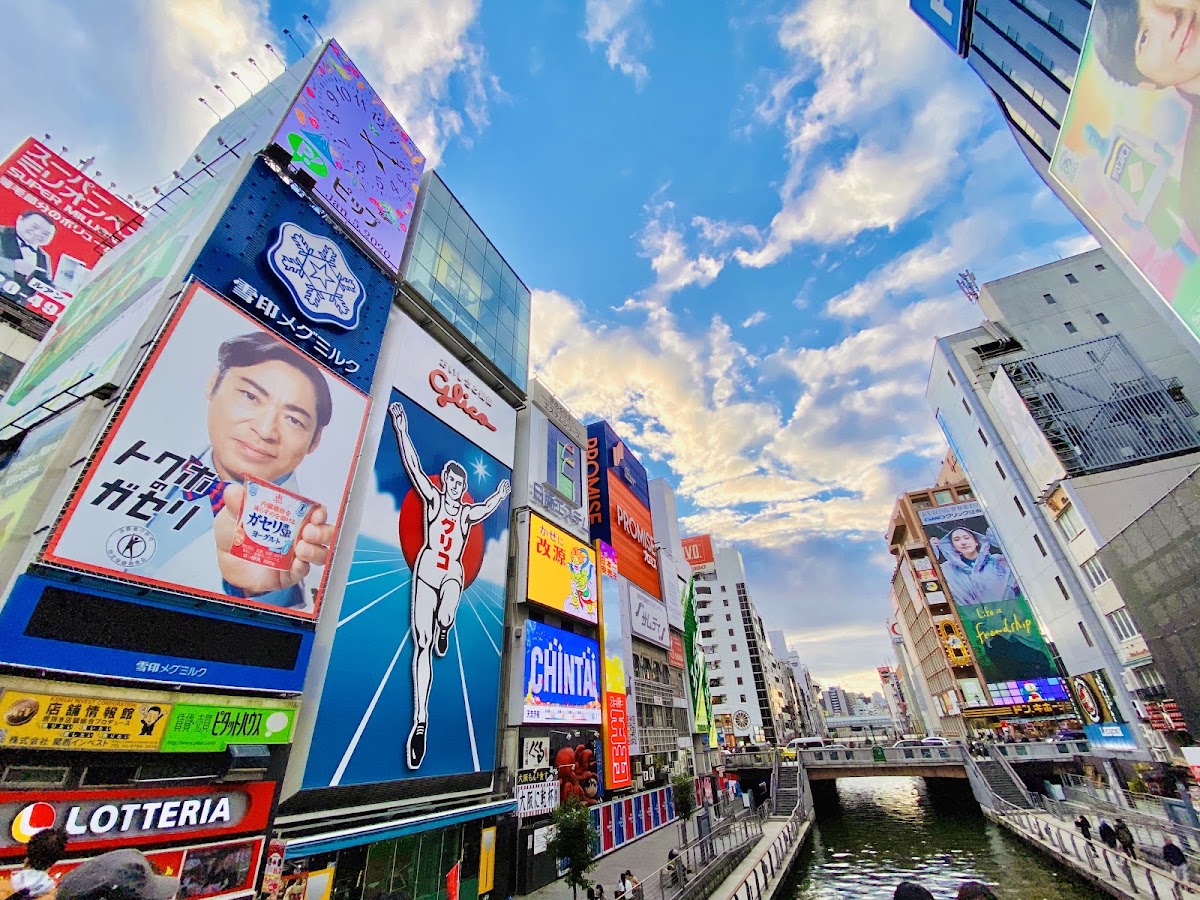
15:15 – 16:00
4.4(85K)· 542-0071
Lively entertainment district known for its soaring illuminated billboards, restaurants & theaters.
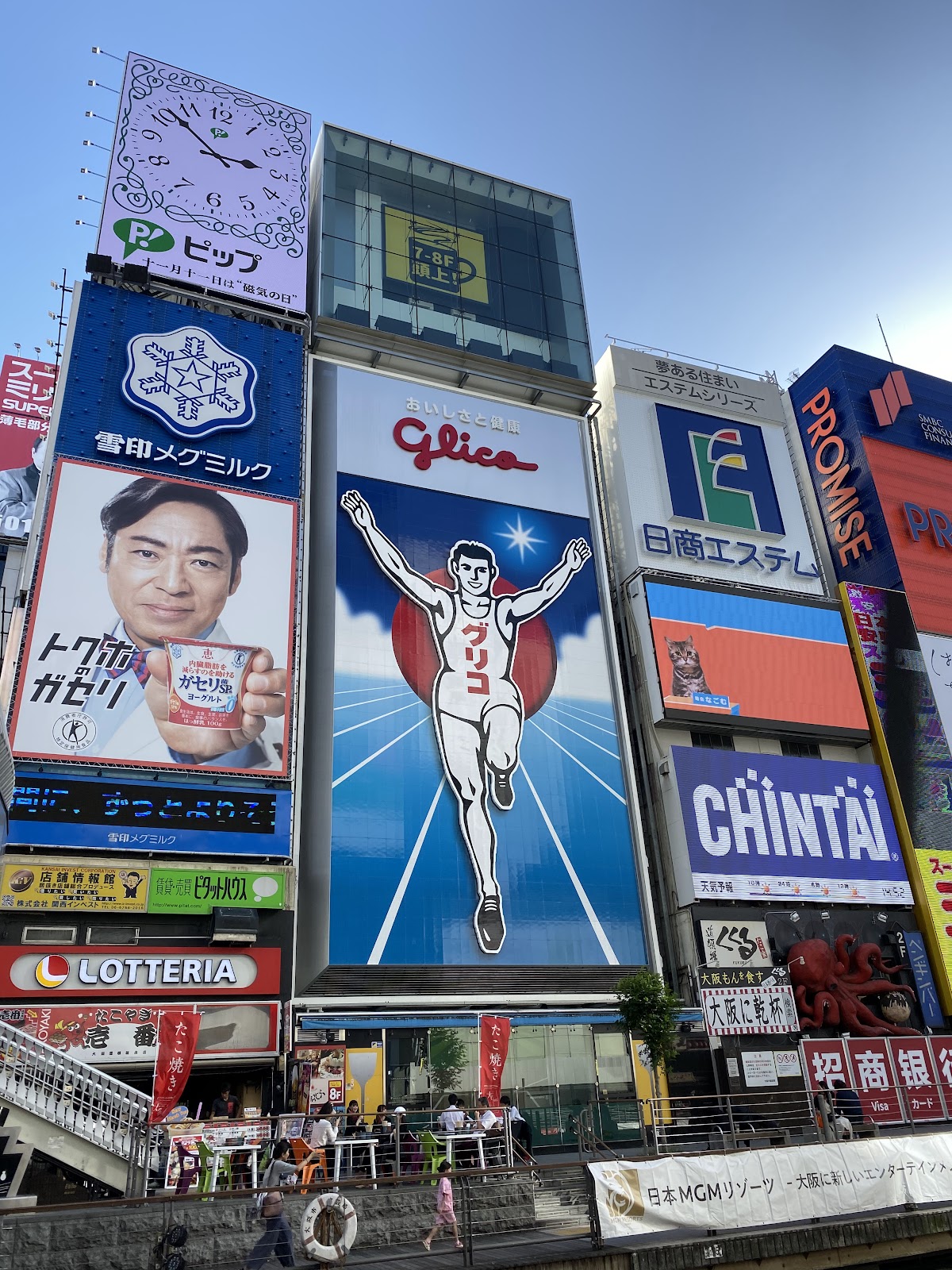
16:00 – 16:45
4.5(19K)· 542-0071
Famed giant billboard installed in 1935 as an advertisement for the Glico confectionery company.
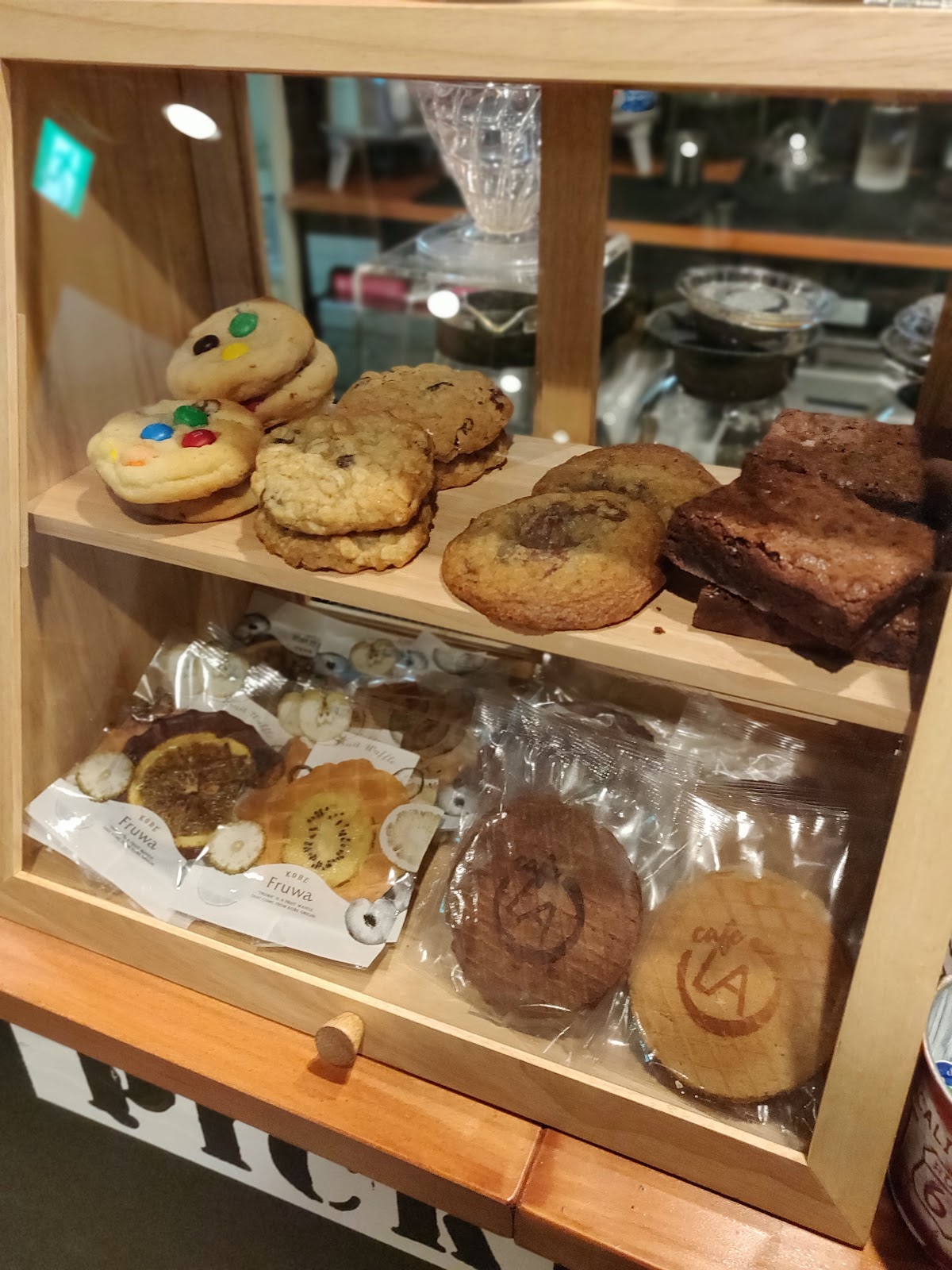
17:00 – 17:30
4.8(974)· 542-0086
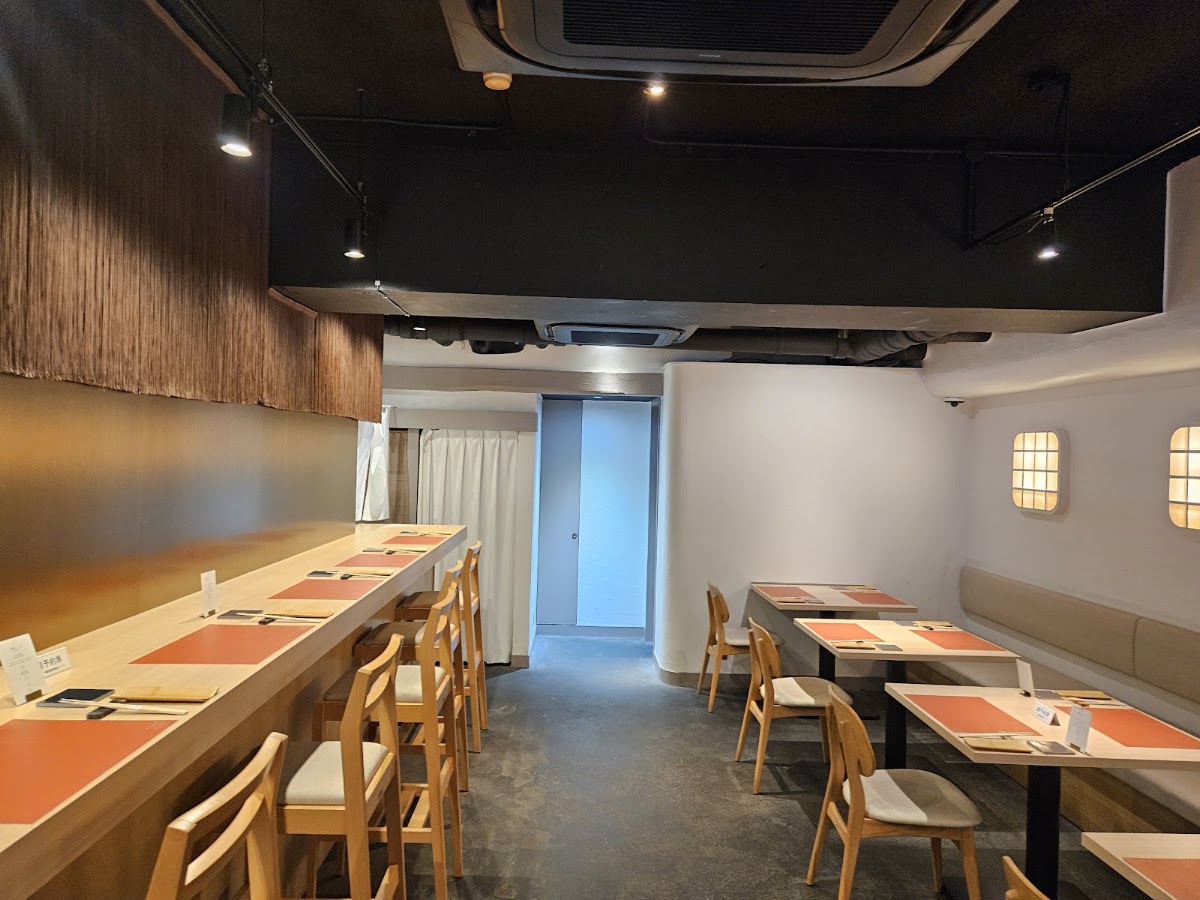
19:00 – 20:00
4.9(2.2K)· 1-chōme−4−21 レアリーノ東心斎橋ビル 1階
Breakfast at ASAKARA GOOD STORE is a cozy, hip-feeling start — all-day breakfast, sandwiches and milkshakes — and it puts you on the castle grounds early. Osaka Castle Park comes before the keep on purpose: a vast green space of gardens, athletic fields and open-air theatres is far more pleasant while it is still quiet, and the walk in frames the building instead of wearing you out before it.
Osaka Castle is the anchor of the morning. The keep goes back more than four centuries and has been rebuilt since, and the museum inside it, with its varied exhibits, quietly explains the city you are standing in; the view from the top does the rest. Lunch at Dynamic Kitchen & Bar SUN OBP Twin Tower is the day's one flourish — traditional specialties in a relaxed high-rise room with city views, minutes from the edge of the park.
The afternoon drifts north to Nakanoshima Rose Garden, a flat riverside stroll that asks nothing of you but time, and then to Kuchu Teien Observatory. Its indoor and outdoor decks sit late in the day for a reason: this is the panorama you want as the city starts switching its lights on. Dinner at SUKIYAKI SHABUSHABU TSUKADA closes the day within easy reach of the observatory, which is the whole point of stacking the tall stuff at the end.
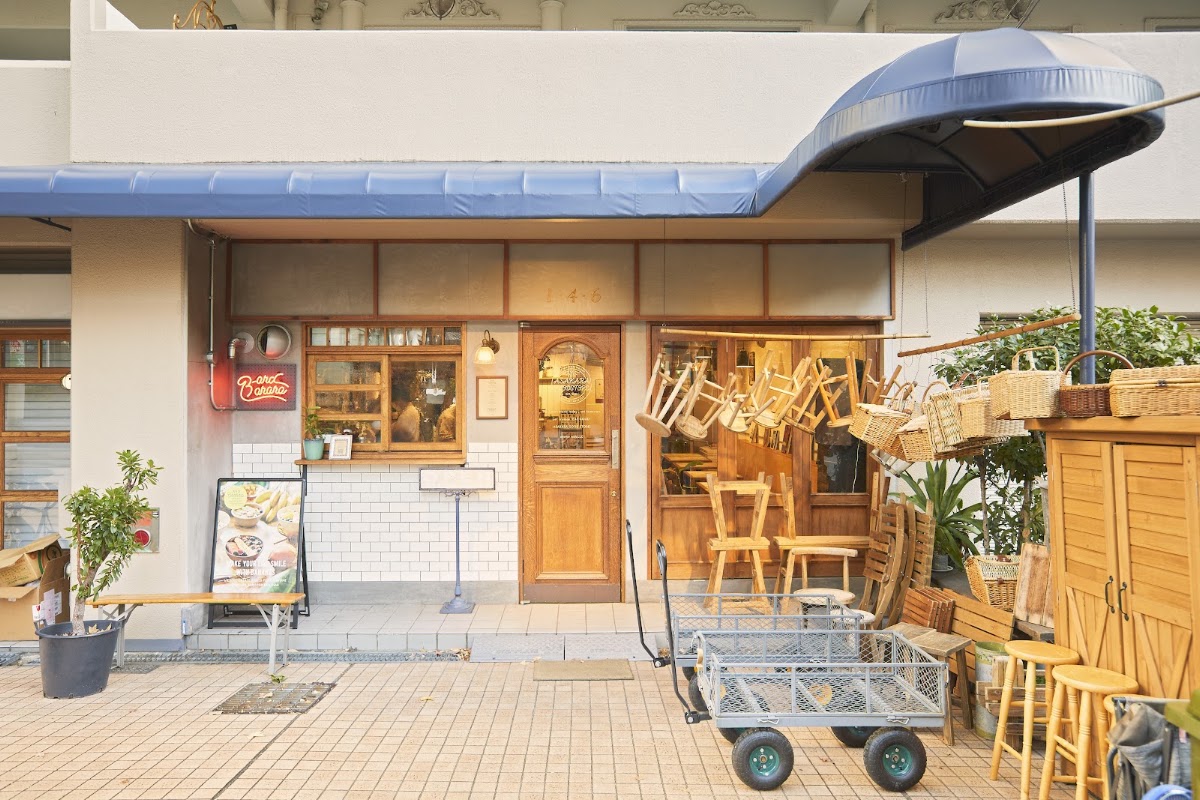
08:30 – 09:00
4.7(675)· 1-chōme−4−6 法円坂ハイツ 1F102
Cozy cafe with a hip vibe, focusing on all-day breakfast, as well as sandwiches & milkshakes.
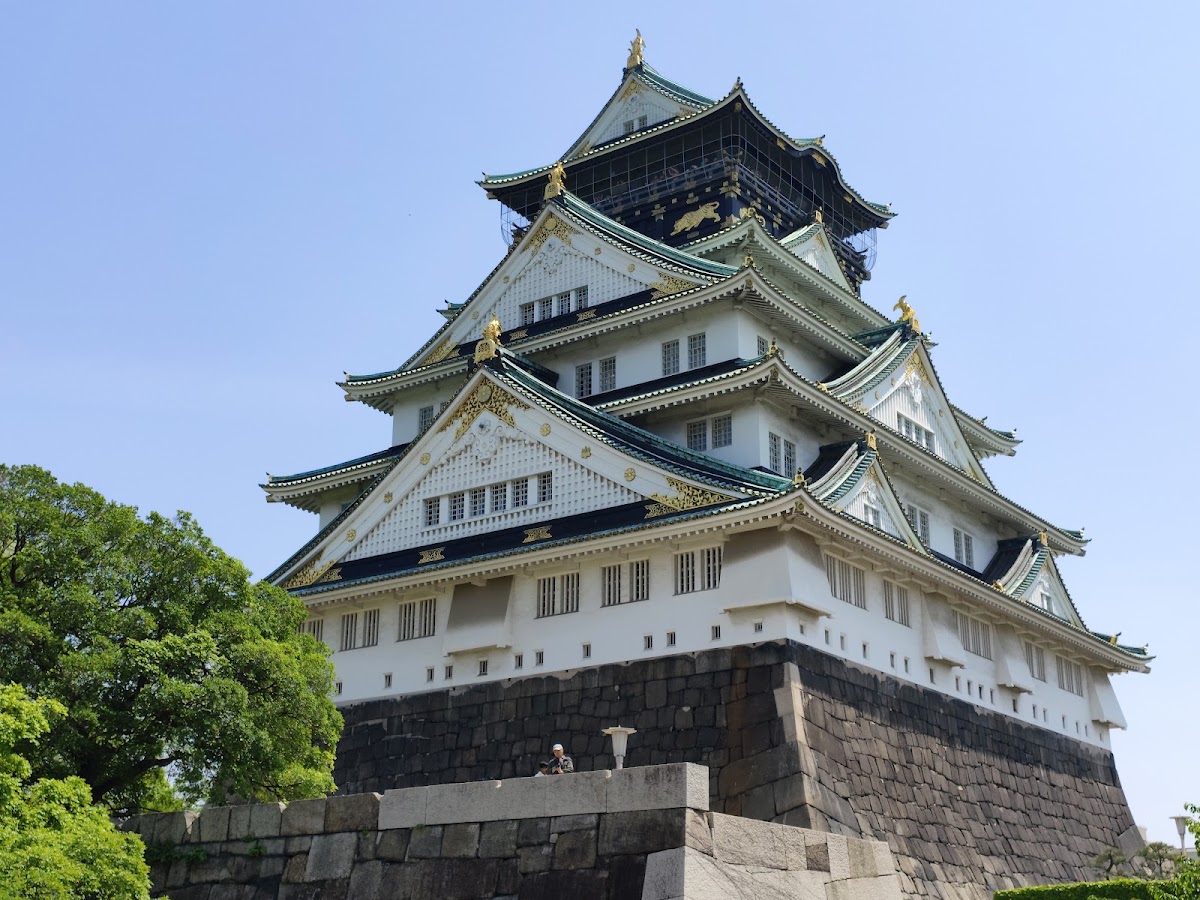
09:15 – 10:00
4.4(51K)· 540-0002
Vast green space offering gardens with cherry blossoms, athletic fields, open-air theaters & more.
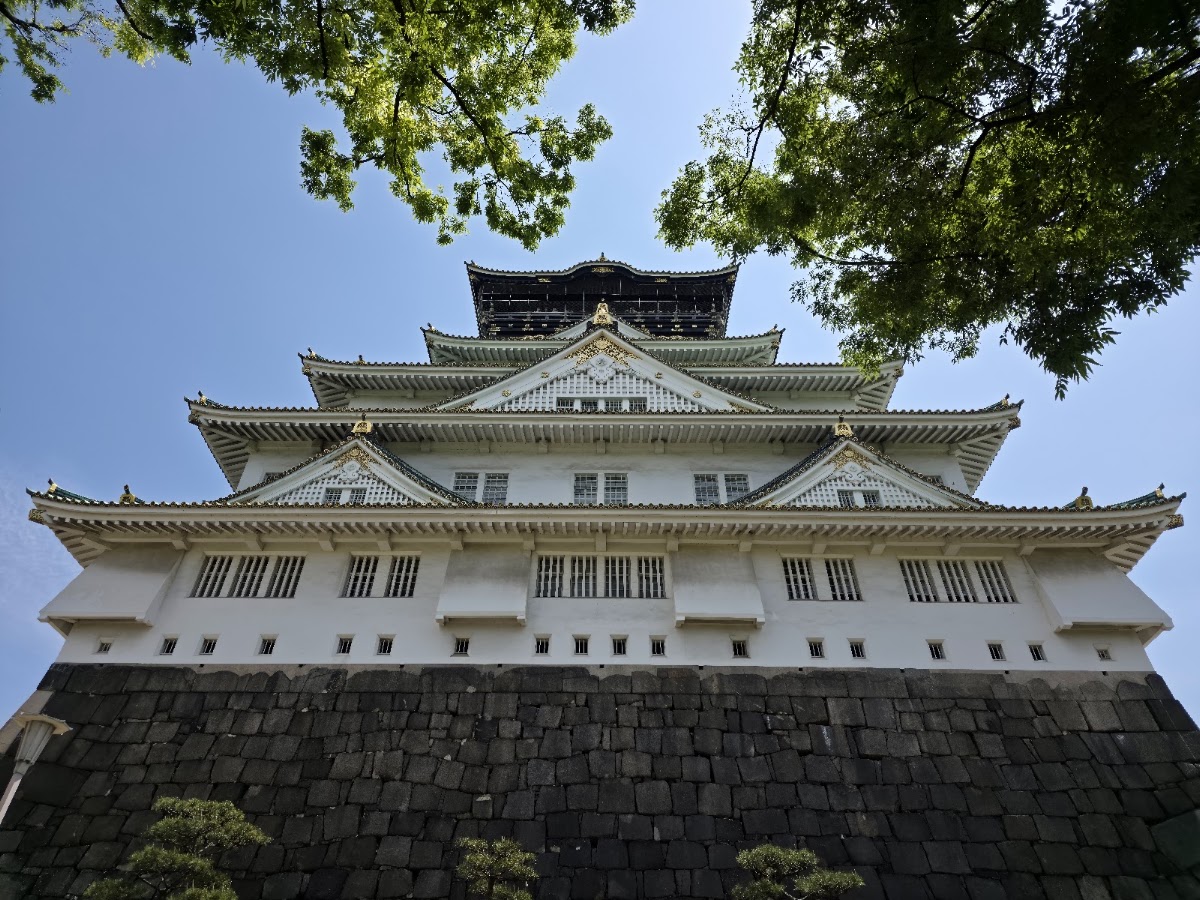
10:00 – 11:30
4.4(98K)· 540-0002
Revered castle dating to 1597 & since rebuilt, featuring gardens & a museum with varied exhibits.
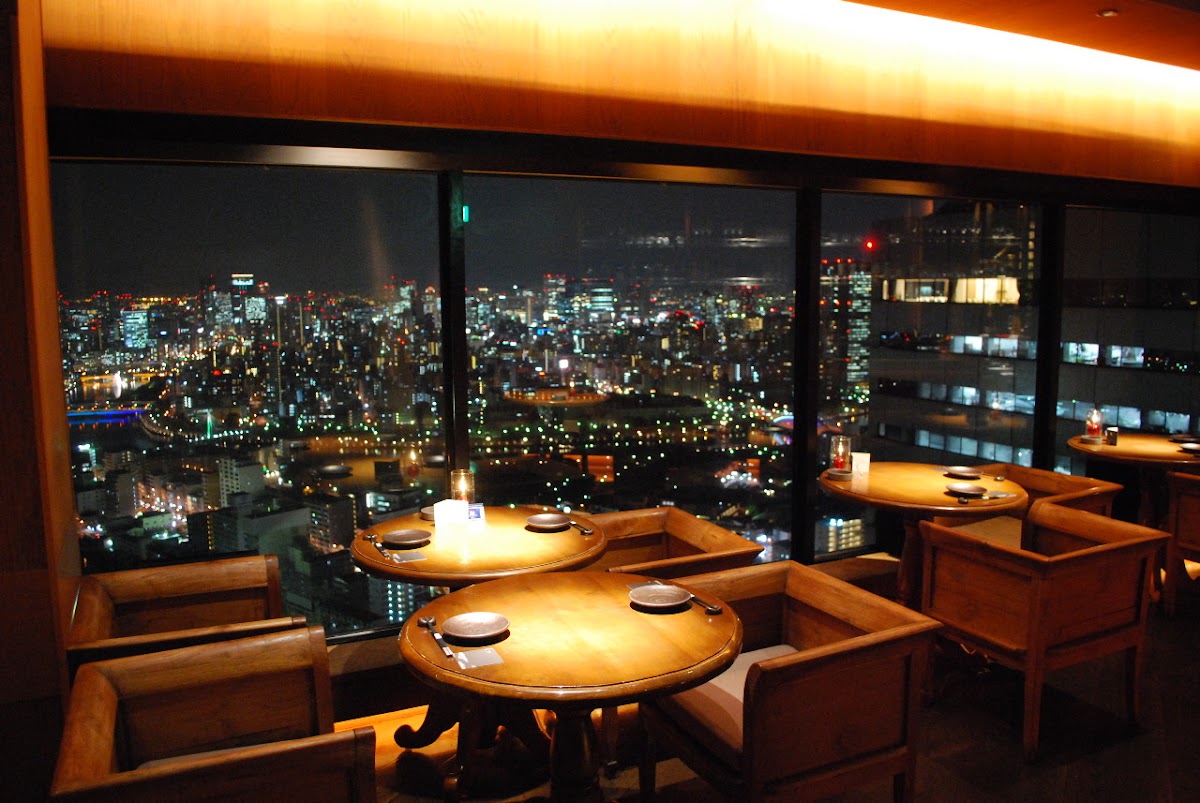
13:00 – 14:00
4.6(3.6K)· 2-chōme−1−61 ツイン21MIDタワ 38F
Traditional specialties are served in this relaxed spot set in a high-rise property with city views.
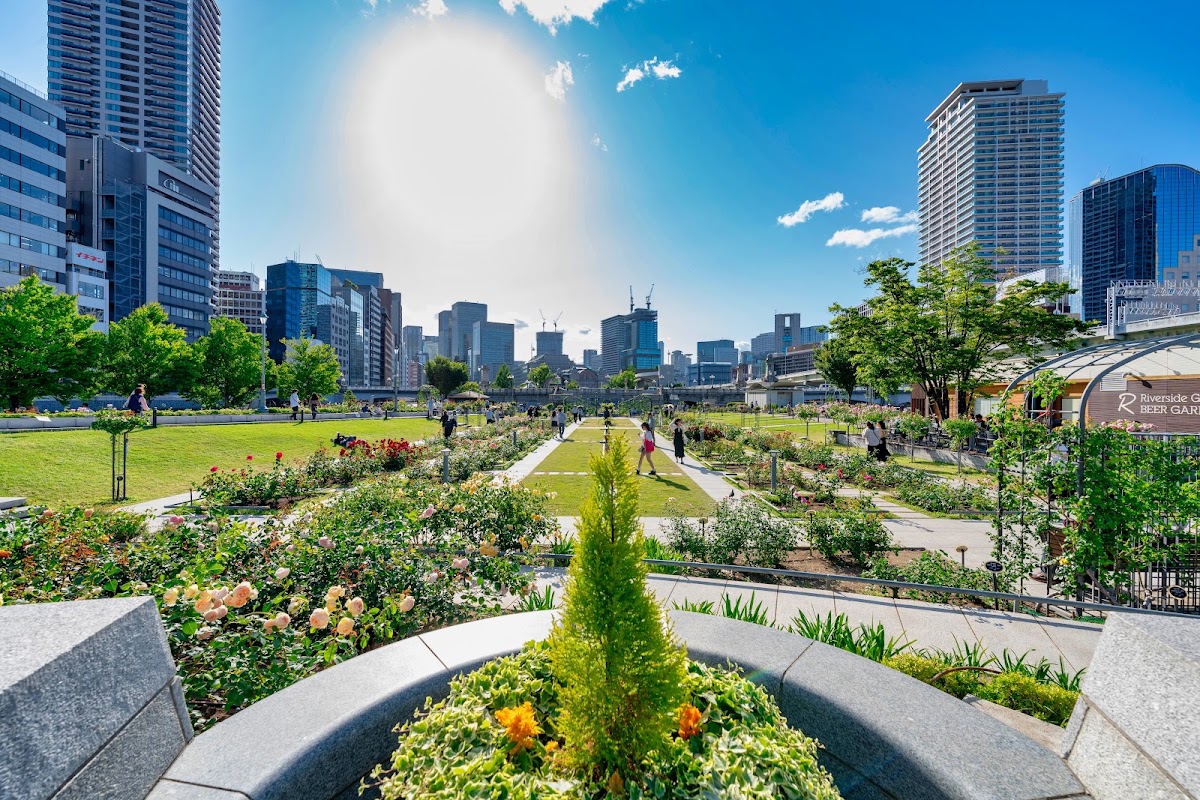
14:45 – 16:00
4.4(1.6K)· 530-0005
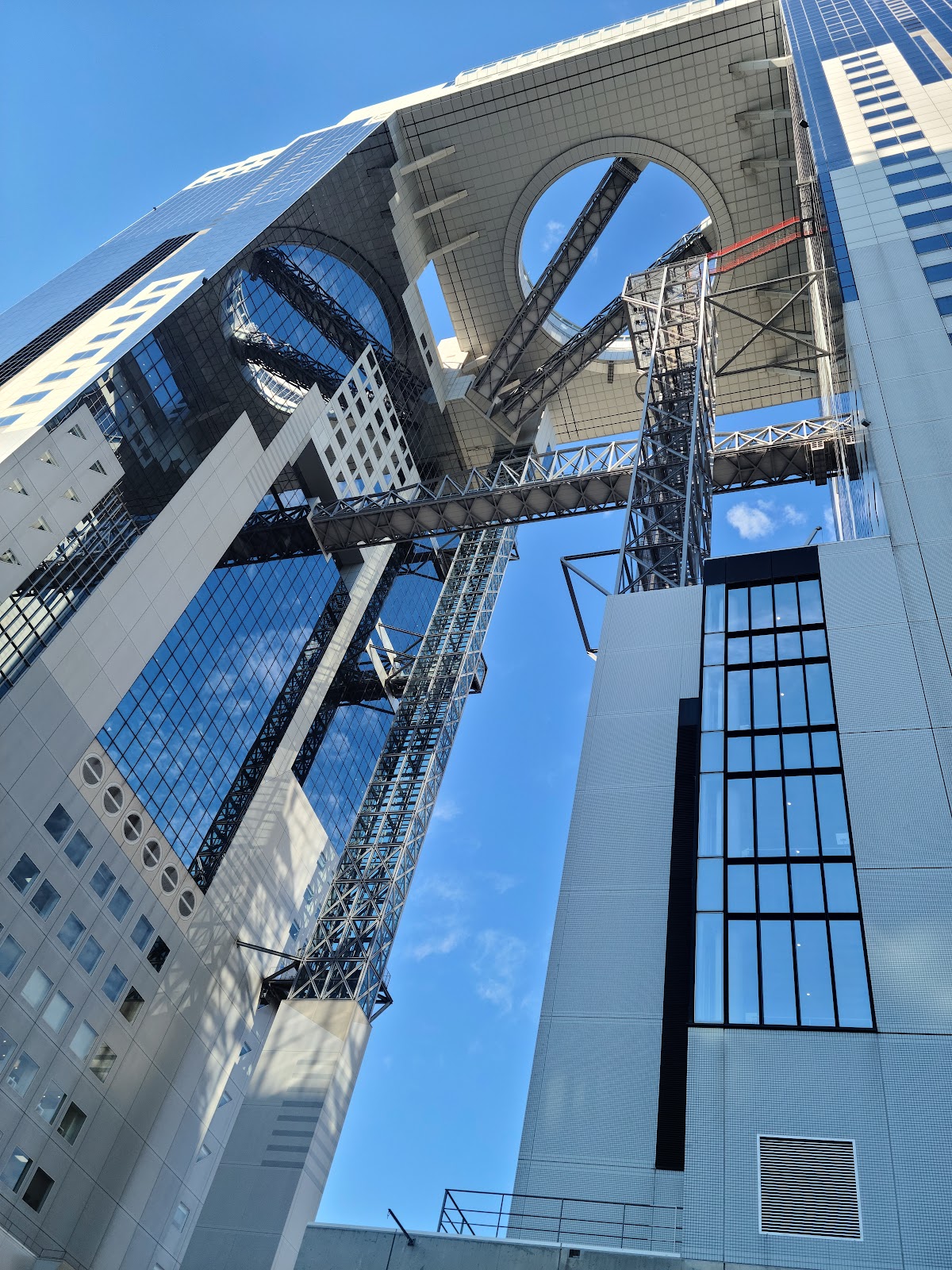
17:30 – 18:15
4.4(14K)· 1-chōme−1−88 梅田スカイビル
Contemporary indoor/outdoor observation deck with panoramic city views, an eatery, cafe & gift shop.
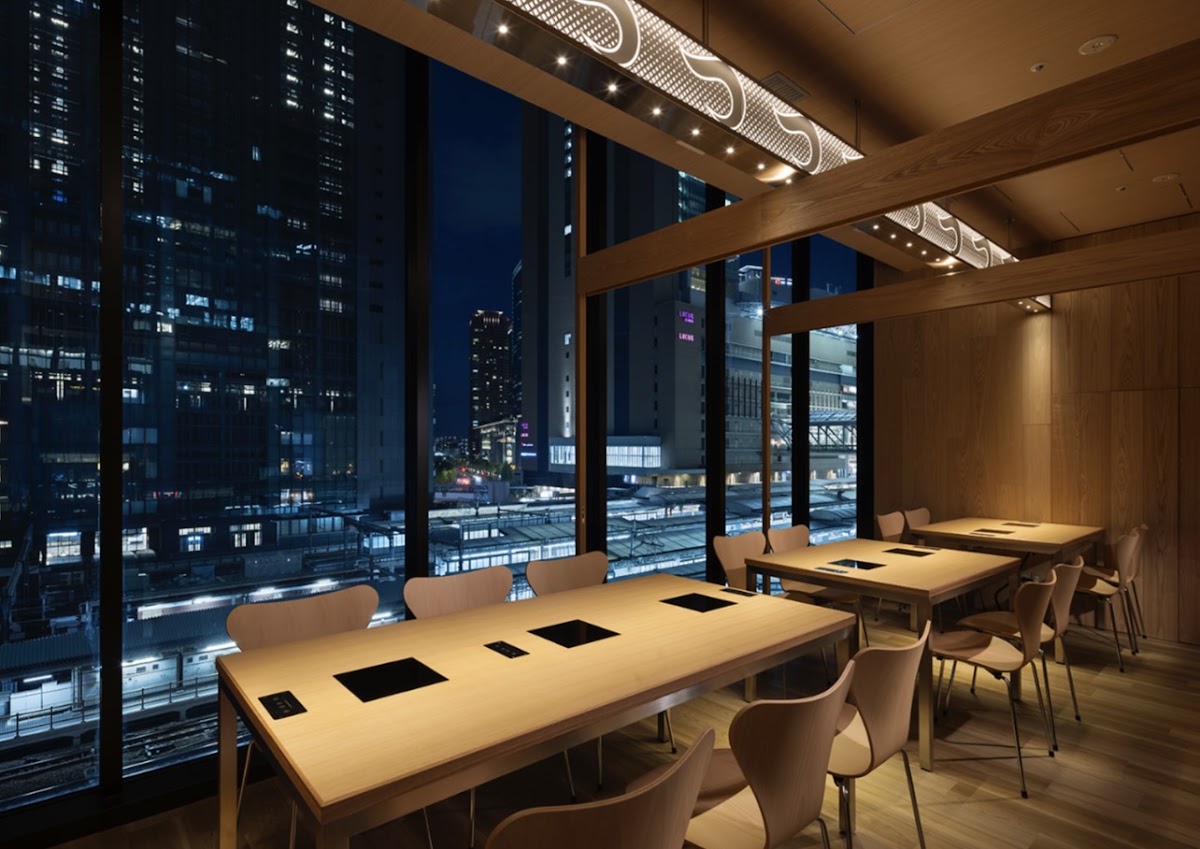
19:00 – 20:00
4.8(3.8K)· 3-chōme−2−2 KITTE大阪 5F
Day 3 is deliberate decompression, and it starts with coffee at Melbourne Coffee Senba before a long, calm morning at Shitennō-ji. First built in the sixth century and restored since, the temple gives you a five-story pagoda, statues and ponds with turtles across a compound big enough to absorb ninety unhurried minutes. After two days of crowds and billboards, that space is the point.
Lunch at Kogi Seoul Tennoji is a welcome jolt of something different between the day's two big stops rather than a full stop at the end of them, and that placement is what makes the long afternoon at Sumiyoshi Taisha possible. The shrine keeps a peaceful garden and structures rebuilt again and again since the third century, and it is the stop on this itinerary that most rewards wandering without a plan.
Dinner at kitchen katakura closes the trip on the right note: small, unhurried and a long way in spirit from the canal-side billboards of Day 1. Saving the quietest day for last is intentional — you arrive with the city's noise already behind you, and you leave with the version of Osaka that first-timers most often miss.
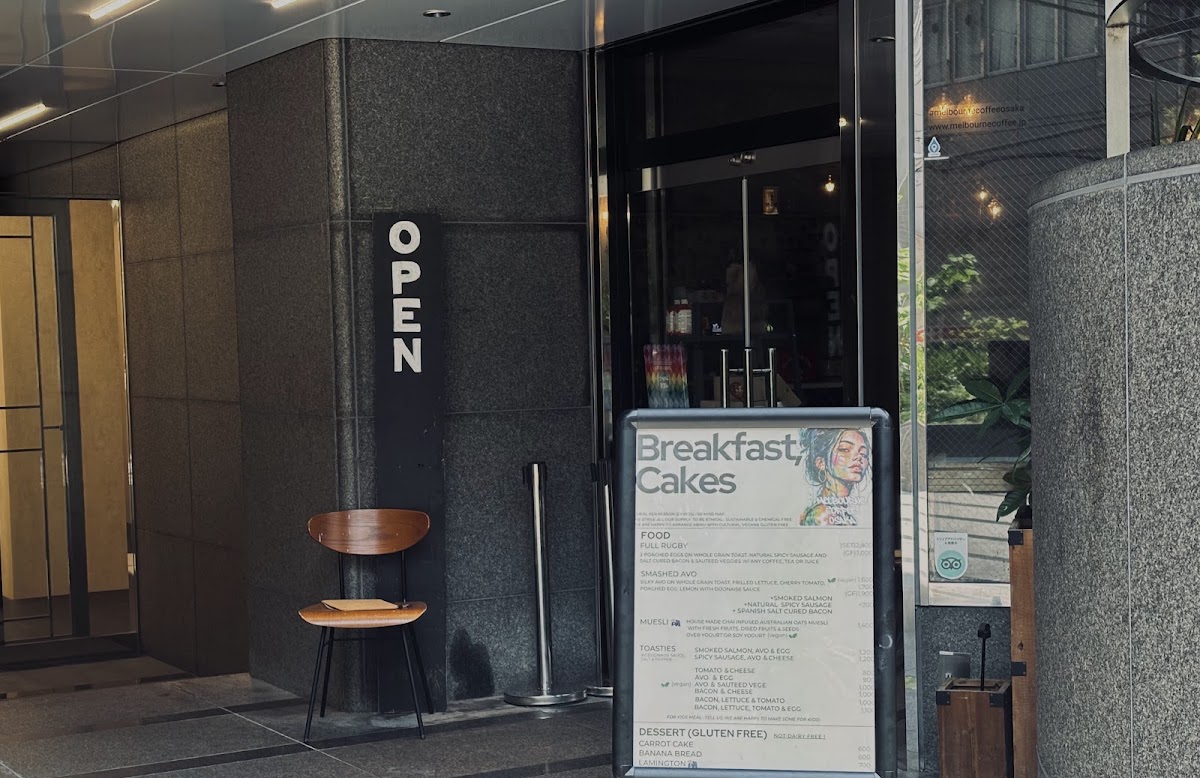
08:30 – 09:00
4.5(944)· 542-0081
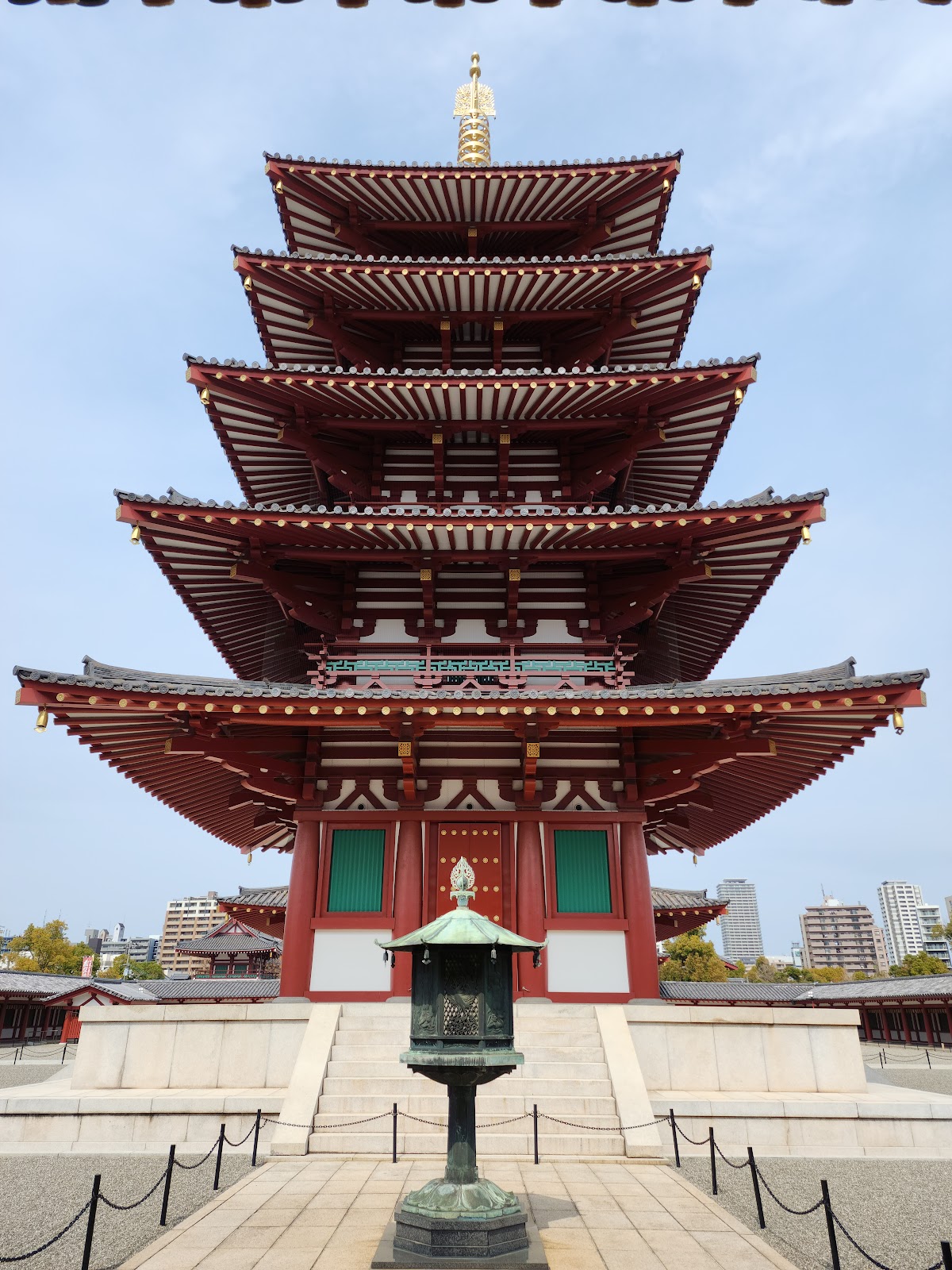
09:30 – 11:00
4.4(13K)· 543-0051
Restored Buddhist temple first built in 593 with a 5-story pagoda, statues & ponds with turtles.
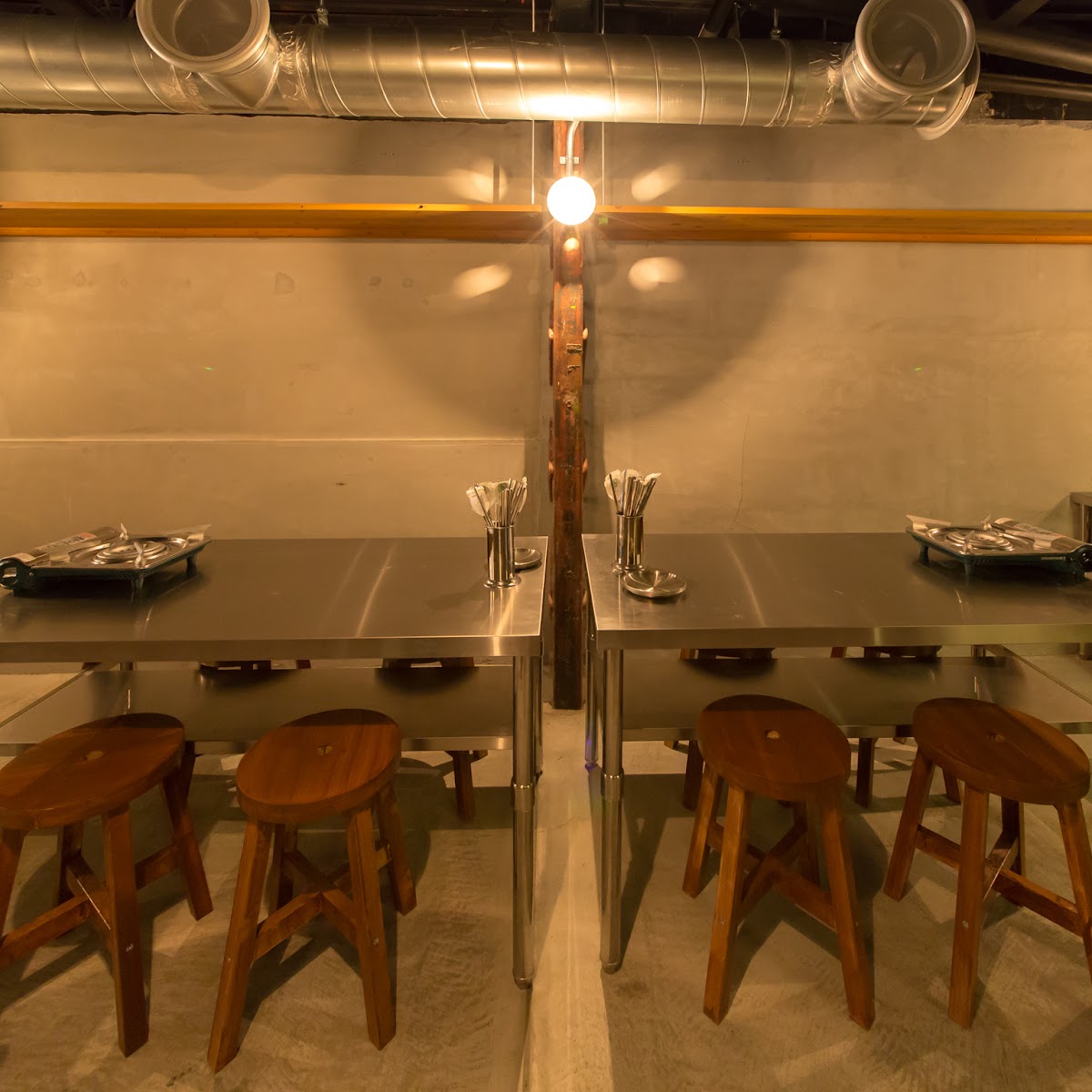
12:30 – 13:30
4.8(7K)· 2-chōme−3−53 杉本ビル 2階
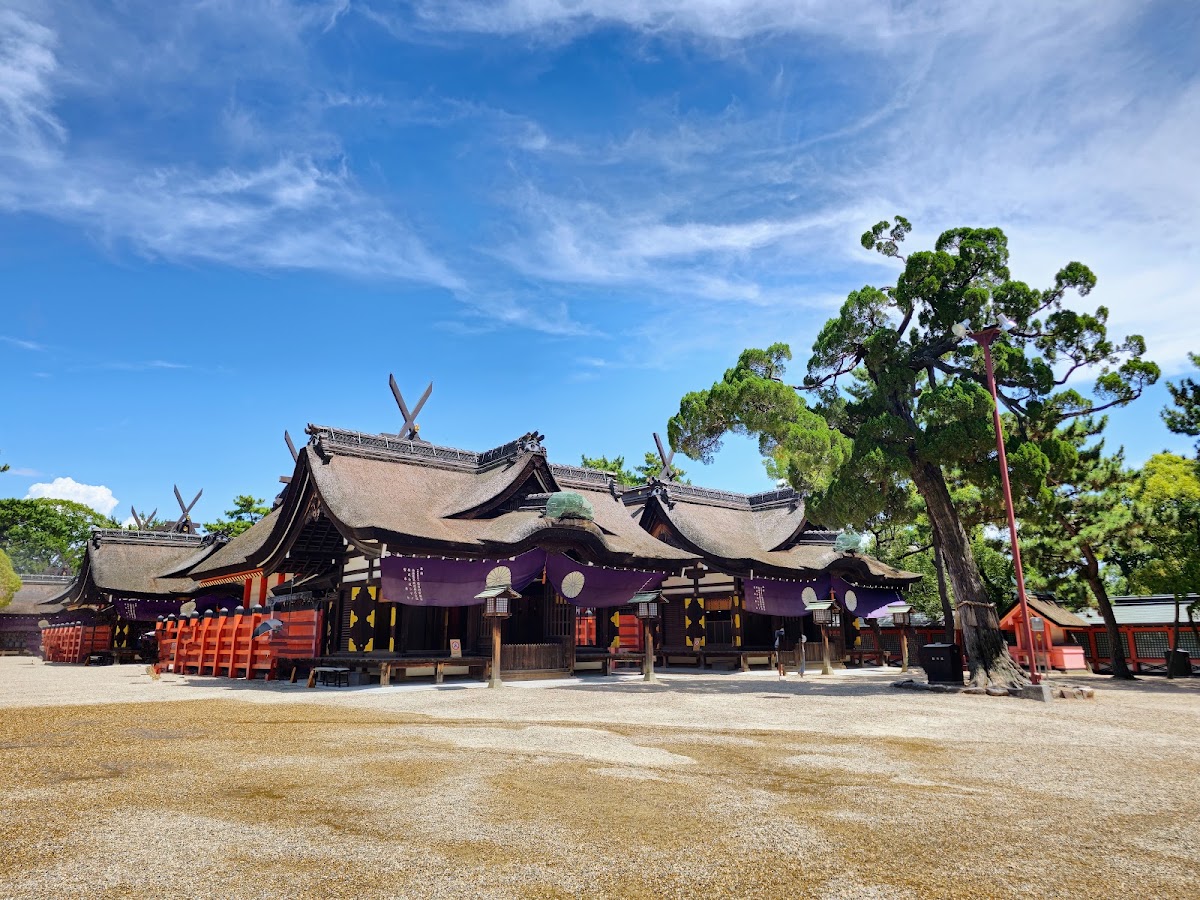
15:00 – 16:30
4.5(14K)· 558-0045
Shinto shrine with a peaceful garden, plus structures rebuilt repeatedly since the 3rd century.
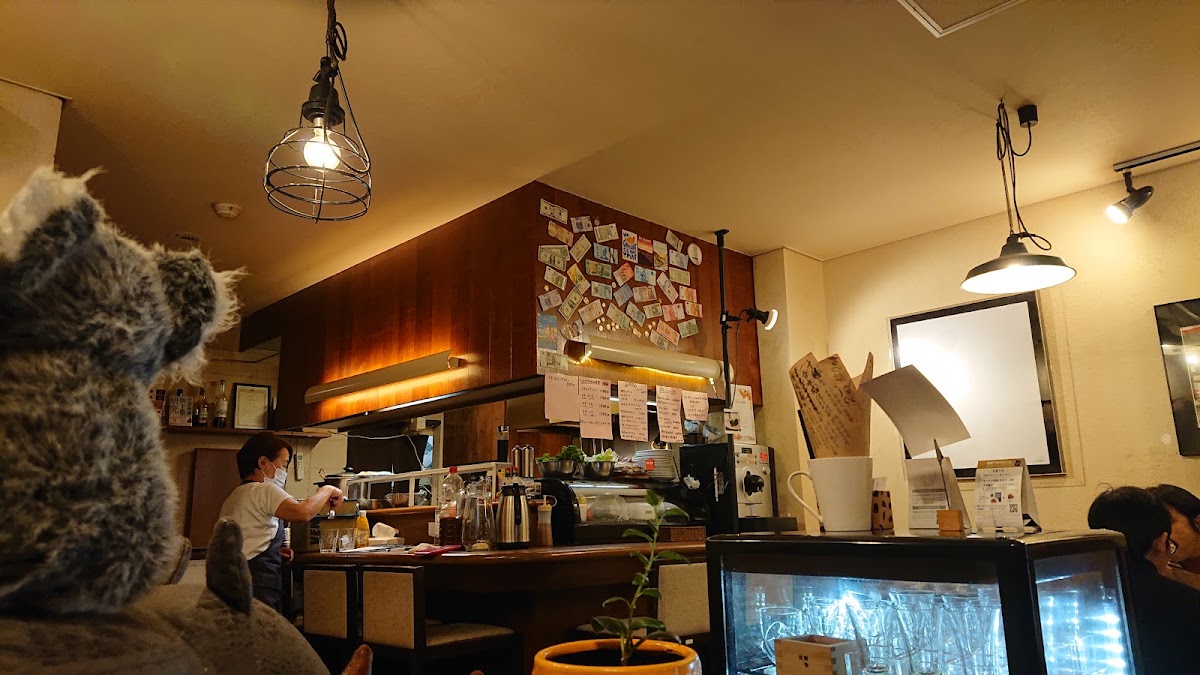
18:00 – 19:00
4.9
Osaka is a year-round city, though spring and autumn are the easy favorites for their mild days and comfortable walking weather. Summer runs hot and humid, which is precisely when the covered aisles of Kuromon Market and the indoor floors of Osaka Castle earn their place in the plan. Winter is cool, dry and often strikingly clear — the best odds for the panorama from Kuchu Teien Observatory. Because this route balances markets, temples, gardens and indoor stops, the three-day itinerary works year-round.
For a first visit, comfortably. This itinerary covers the three sides of the city people actually come for — the market-and-canal energy of Kuromon Market and Dotonbori, the castle-and-skyline half around Osaka Castle and Kuchu Teien Observatory, and the older, quieter ground of Shitennō-ji and Sumiyoshi Taisha — at five or six stops a day including three sit-down meals. You will not see everything, but nothing here is rushed, and a fourth day would add depth rather than essentials.
A fair amount, but it never becomes a slog. Each day clusters its stops in one part of the city, so the longer stretches sit between neighborhoods rather than inside them, and the rests are built in: Hozen-ji on Day 1, Osaka Castle Park and Nakanoshima Rose Garden on Day 2, and the wide compounds of Day 3 all work as breathers as much as sights.
Yes. Open this exact trip in the Wayfaro app and regenerate it for your own dates — the schedule rebuilds around your travel window, and you can swap, reorder or remove any stop before you go.
It is built for exactly that. The stops are walkable and easy to reach, the pacing leaves room for the small confusions of a first trip, and every meal is already in the plan, from UNREAL on Day 1 to kitchen katakura at the end — so you are never hunting for dinner at the end of a long day.
Osaka · 2 days
2 Days in Osaka: The Perfect First-Timer ItineraryOsaka · 4 days
4 Days in Osaka: The Perfect First-Timer's ItineraryAmsterdam · 2 days
2 Days in Amsterdam: The Perfect First-Trip ItineraryAnnecy · 2 days
2 Days in Annecy: The Perfect First-Timer's ItineraryTell Wayfaro how you travel and get a personalized day-by-day itinerary in minutes.