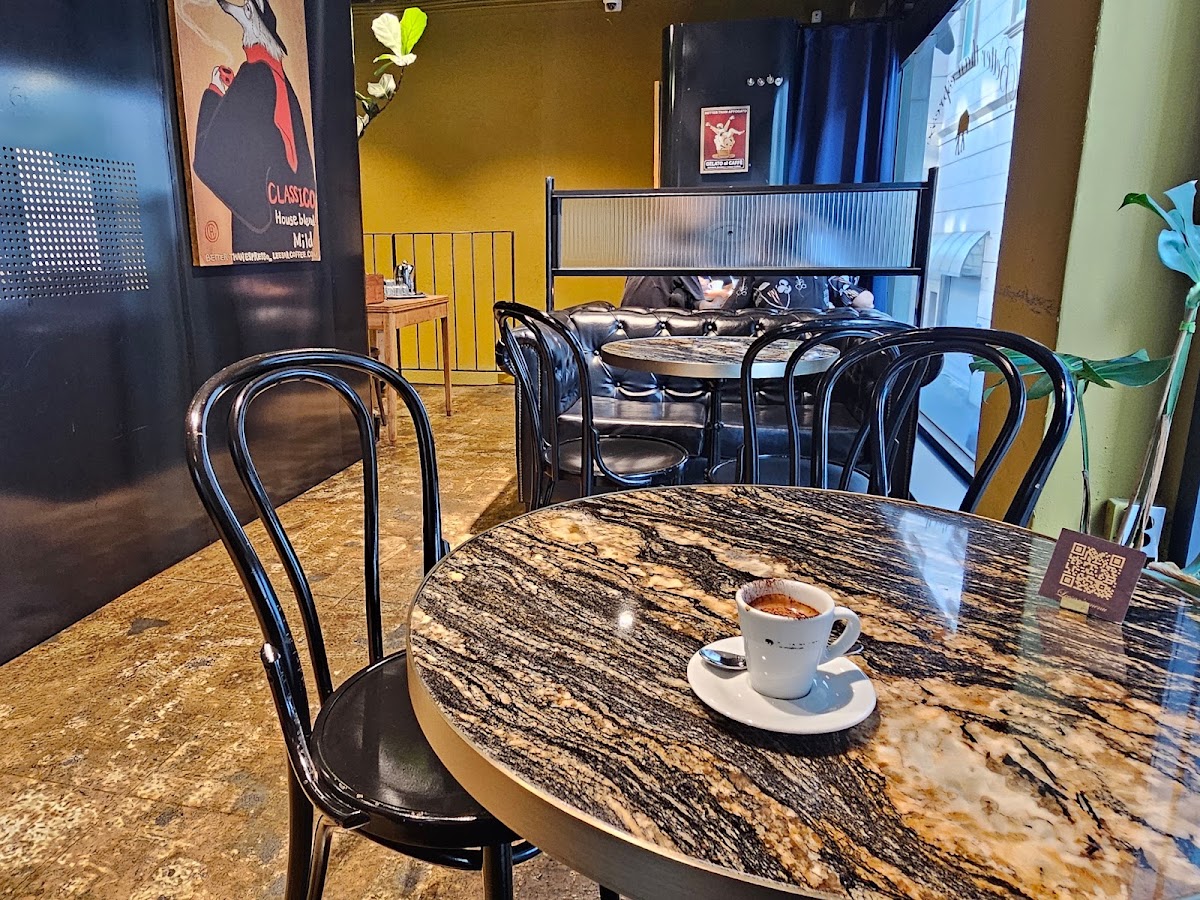
09:00 – 09:30
Leesar Coffee
Breakfast
4.6(281)· Seoul
Seoul · 4 days · First trip
Seoul rewards visitors who move in loops rather than straight lines. This four-day plan keeps you inside a handful of walkable districts, pairs each big sight with a smaller one right beside it, and leaves enough slack that you can linger over a bowl of something hot without blowing up the rest of the day. It is the classic version of the city: palaces, a village of traditional homes, two great museums, two great markets and one view worth the climb.
The sequencing matters more than the list. Days 1 and 2 stay in the old royal core around Gyeongbokgung and Changdeokgung, so you are never more than a short walk from the next stop. Day 3 slows down on purpose, trading pavement for two museums. Day 4 climbs — market, park, tower — and closes the trip looking down on everything you walked.
You can open this exact trip in the Wayfaro app and regenerate it for your own dates, group size and pace: the stops stay, the timings adjust.
This is a real itinerary generated by Wayfaro. Open it in the app to regenerate it for your own dates and preferences.
The day begins gently at Leesar Coffee, and that order is deliberate: Gyeongbokgung Palace is an enormous 14th-century royal complex, free guided tours run through its courtyards, and you want to arrive properly awake. The National Palace Museum of Korea sits right beside the grounds, which is why it comes immediately after. It turns the Joseon Dynasty artifacts and the audio tour into context for what you have just walked through, instead of a separate errand across town.
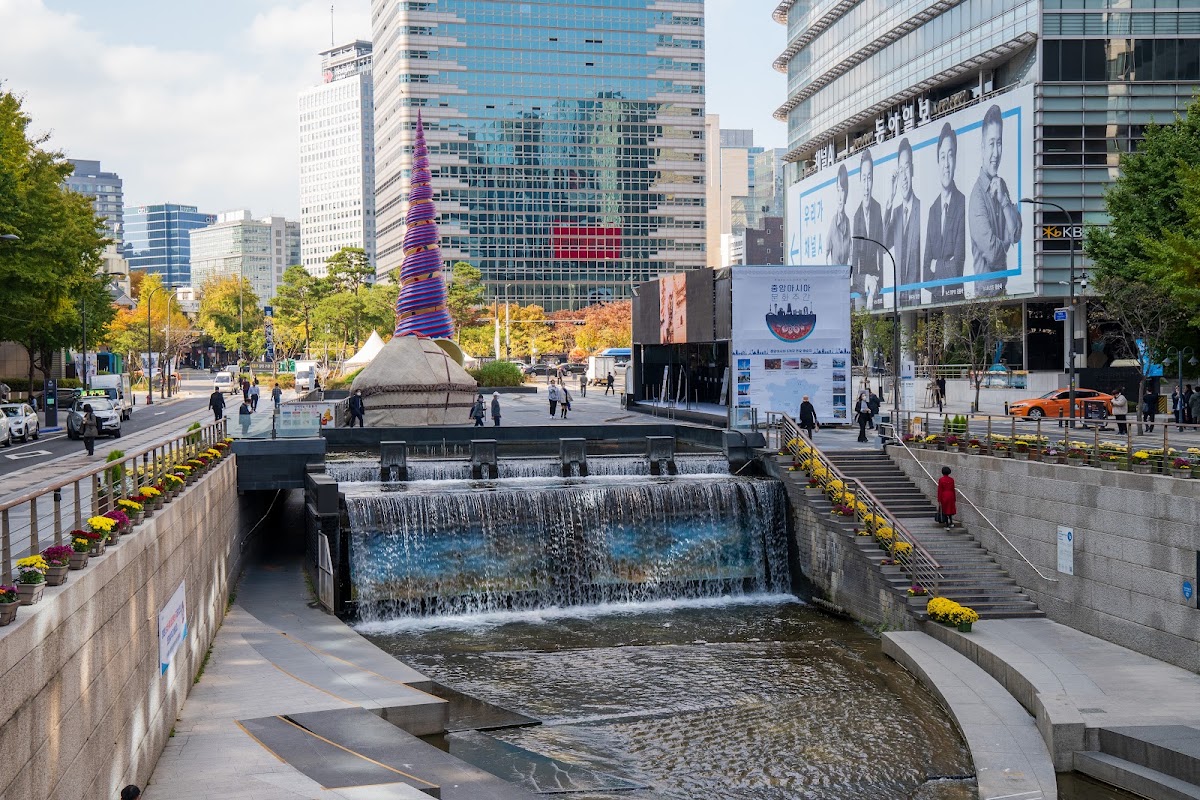
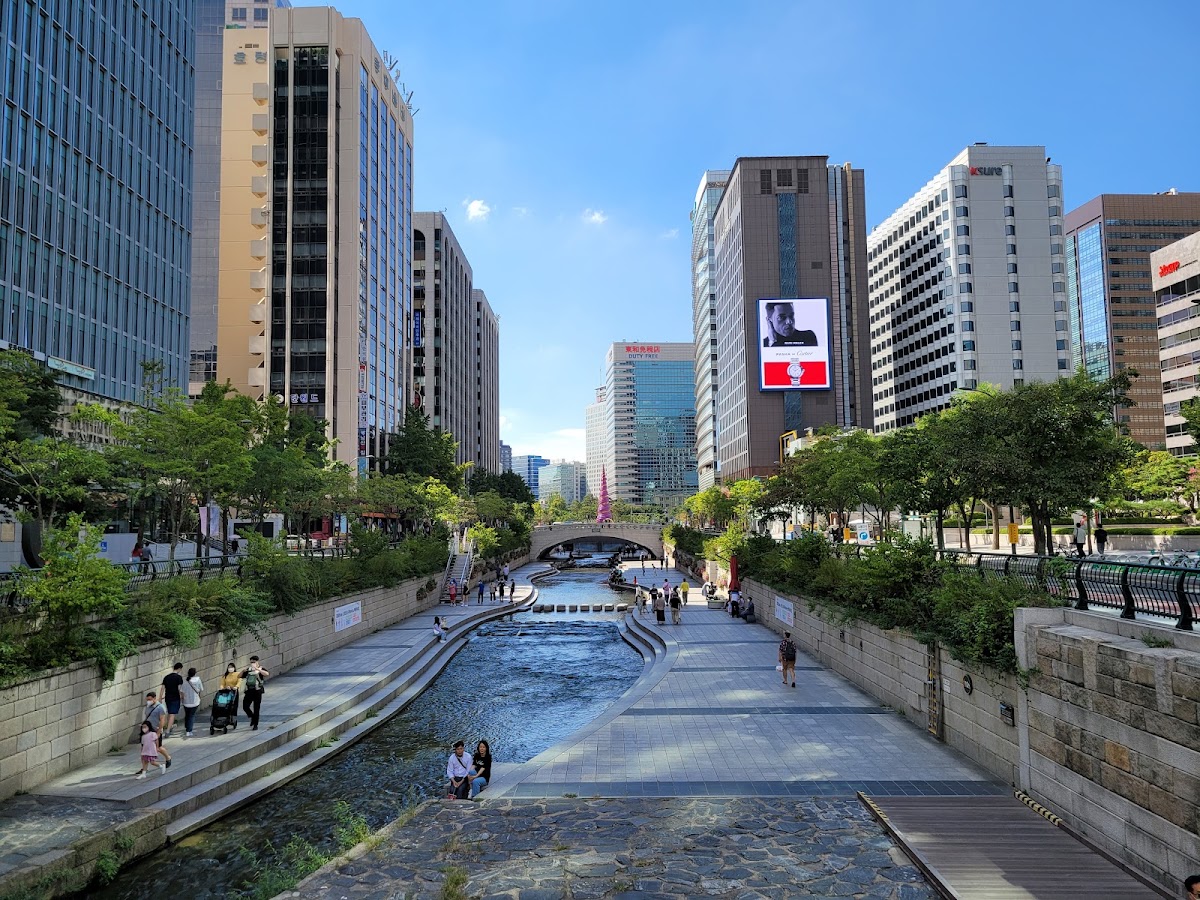
After a break at Thanks, Oat, the afternoon drops down to Cheonggye Plaza. The twisting red-and-blue sculpture on the square marks the head of Cheonggyecheon, and from there the walkways, bridges and greenery carry you east below street level — the simplest way to cross central Seoul without a single traffic light.
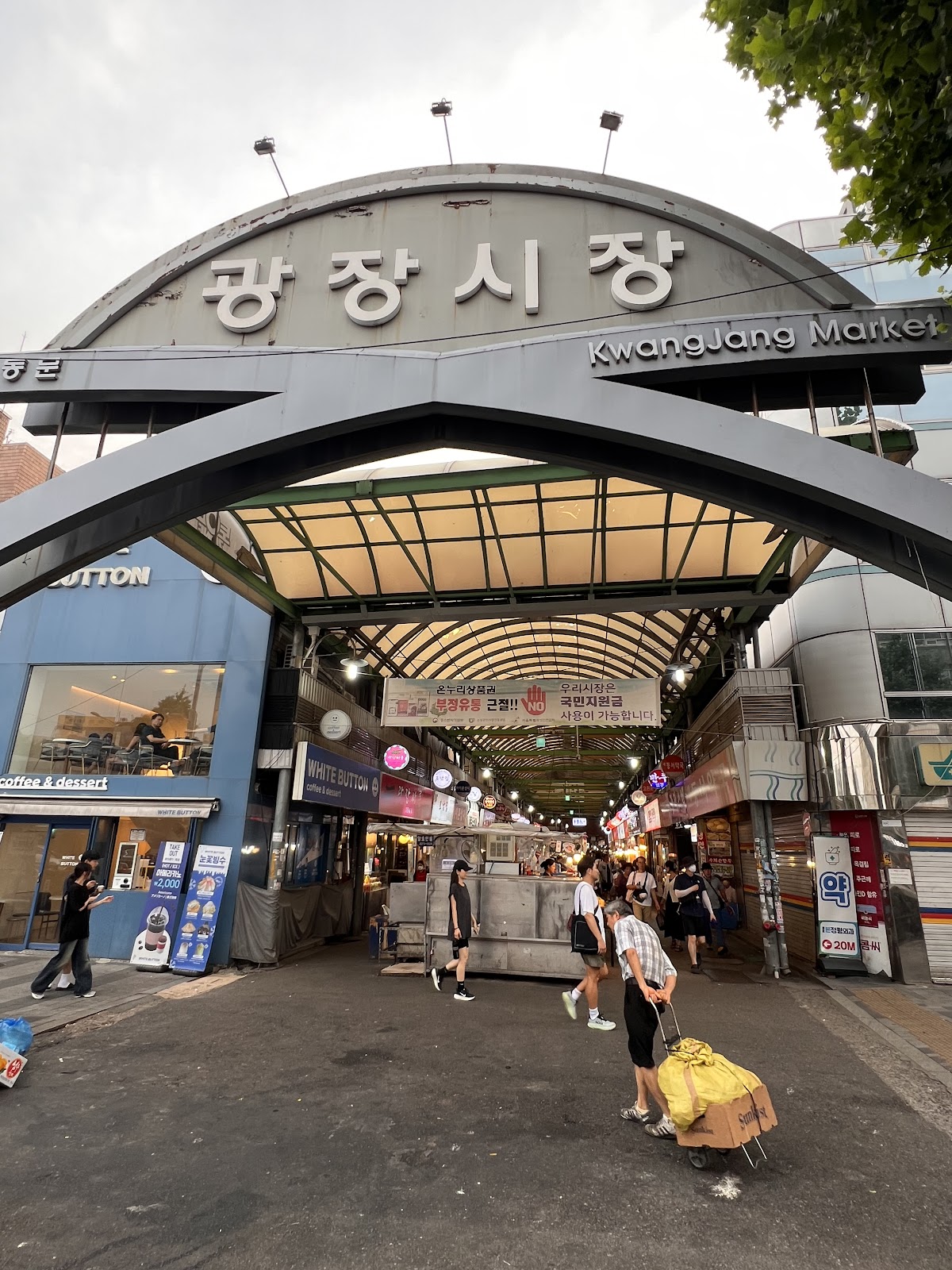
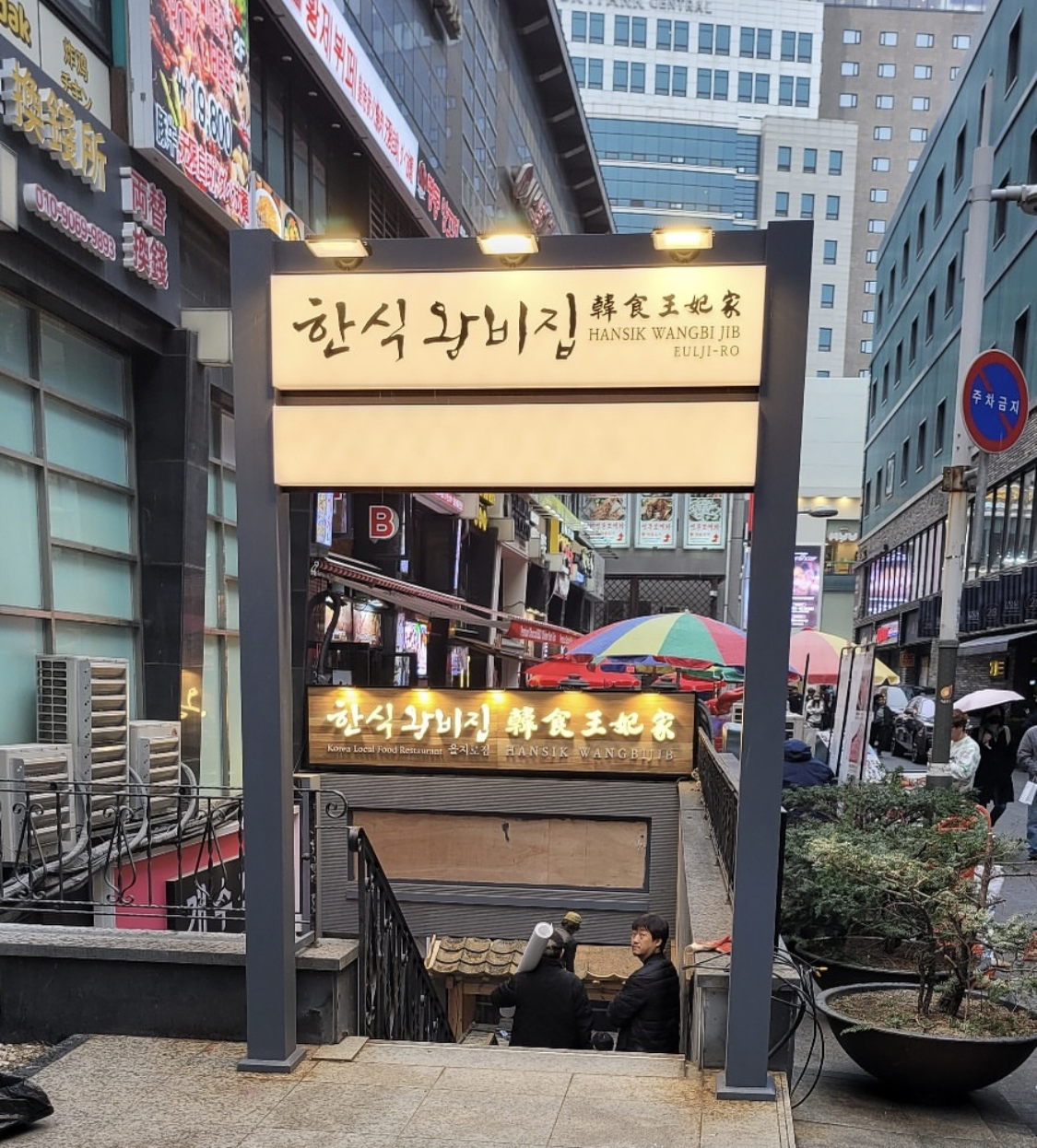
That walk delivers you to Gwangjang Market at exactly the right hour, when the food stalls are at full tilt and the clothing and souvenir aisles are still open. Dinner at Hansik Wangbijib closes the day a few minutes away, so nobody has to negotiate a long ride home on the first evening.
09:00 – 09:30
4.6(281)· Seoul
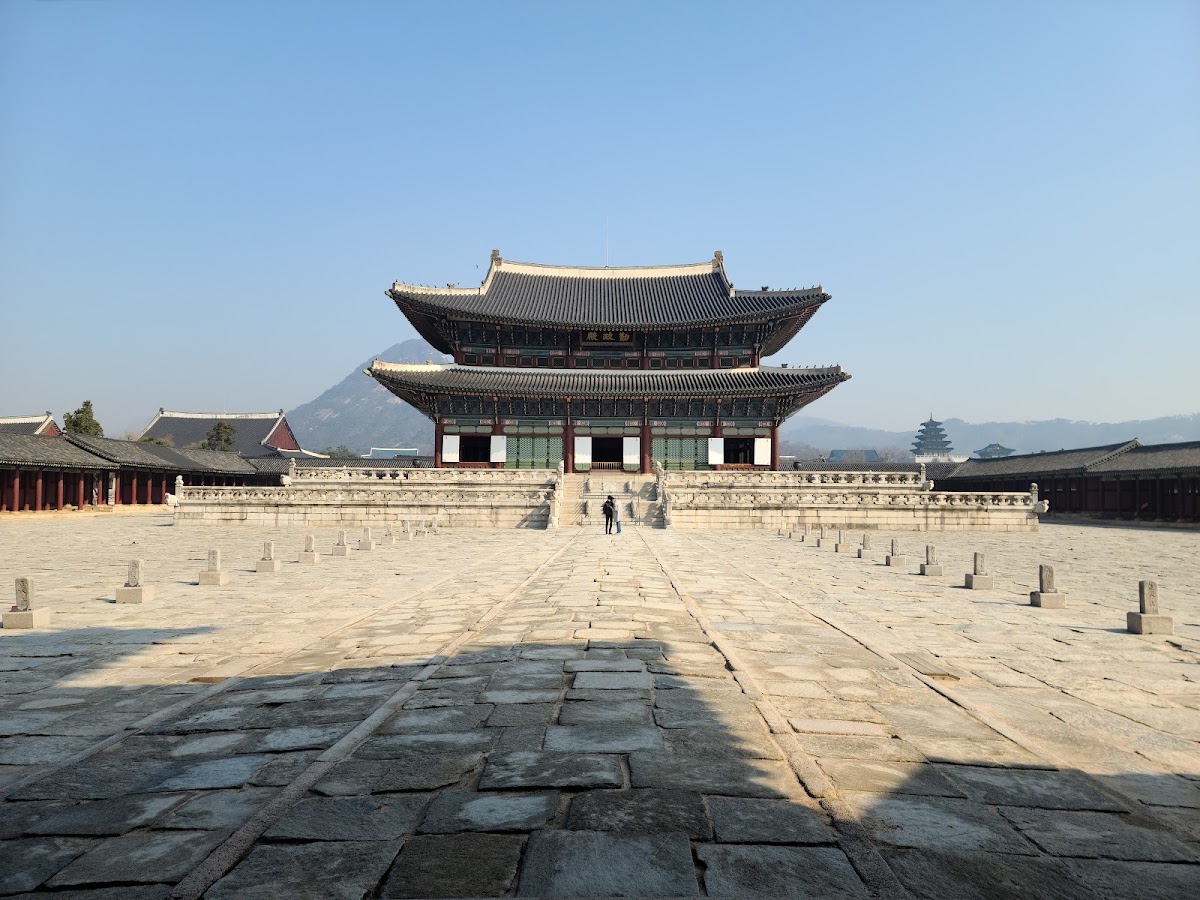
10:00 – 10:45
4.6(47K)· Seoul
Free guided tours are offered of this large 14th-century royal palace with a museum & gardens.
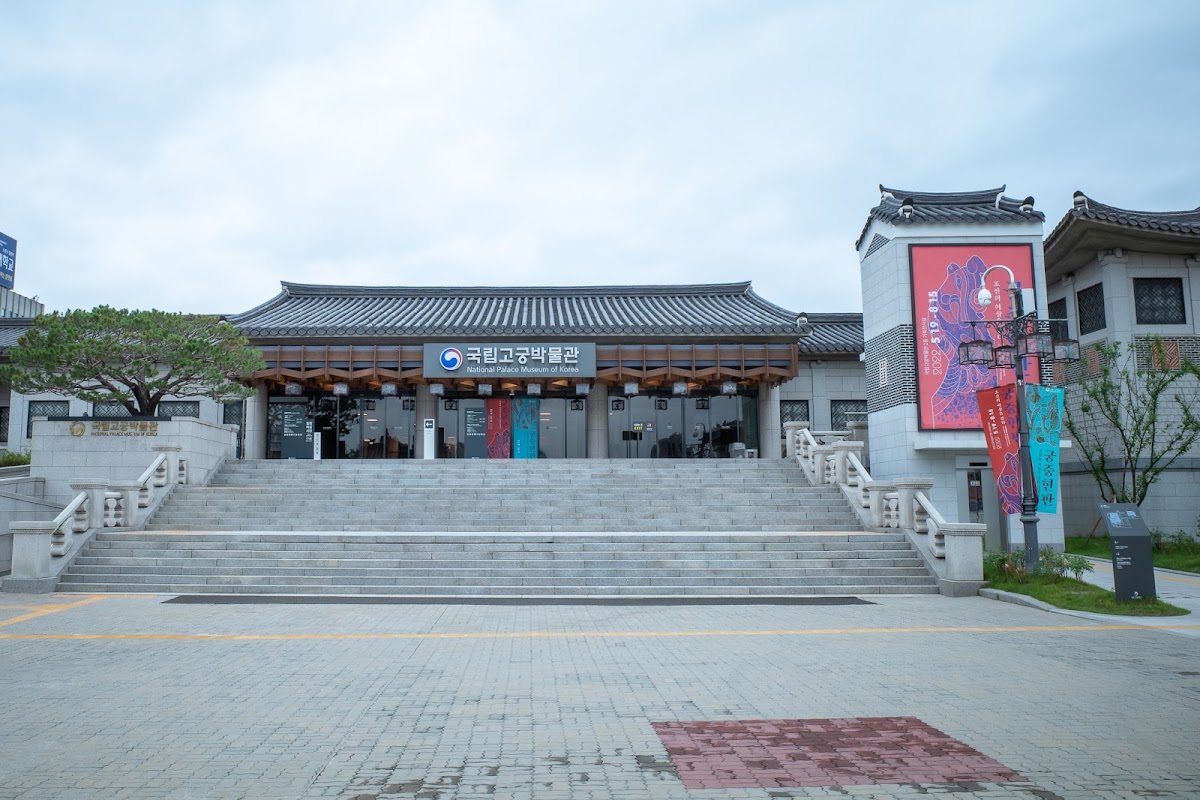
10:45 – 12:00
4.6(7.3K)· Seoul
Exhibits focused on the Joseon Dynasty & royal family, with many artifacts & an audio tour.
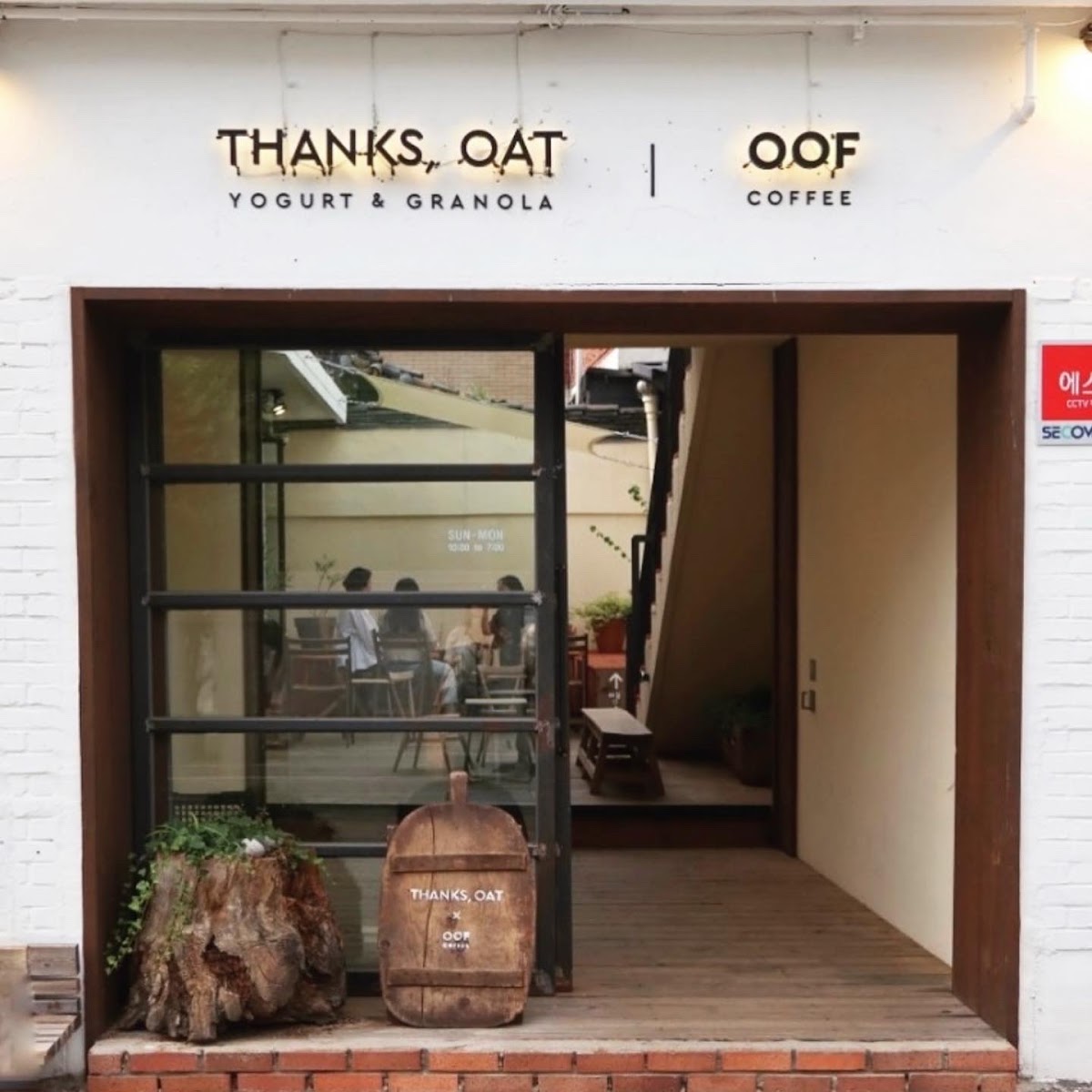
13:00 – 14:00
4.7(403)· Seoul
14:30 – 15:00
4.4(8.5K)· Seoul
Huge square at the start of Cheonggyecheon Stream with a twisting, red-&-blue sculpture & waterfall.
15:00 – 15:45
4.6(11K)· Seoul
Recreational area constructed around a revived stream with walkways, bridges & greenery.
16:45 – 17:45
4.2(44K)· Seoul
Bustling shopping area offering a wide array of traditional food items, plus clothing & souvenirs.
19:00 – 20:00
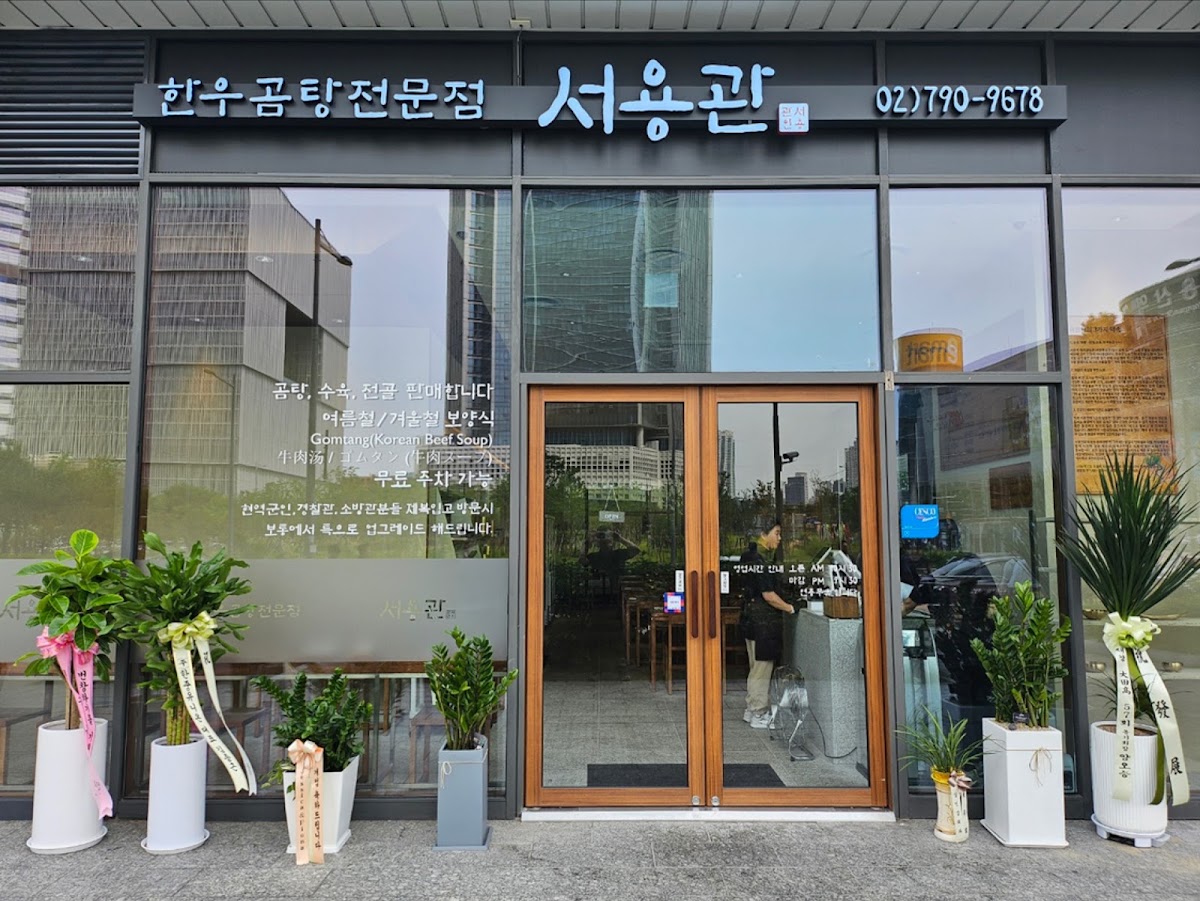
5(2.6K)· 지하1층 B101 KR 서울특별시 중구 명동7길 21
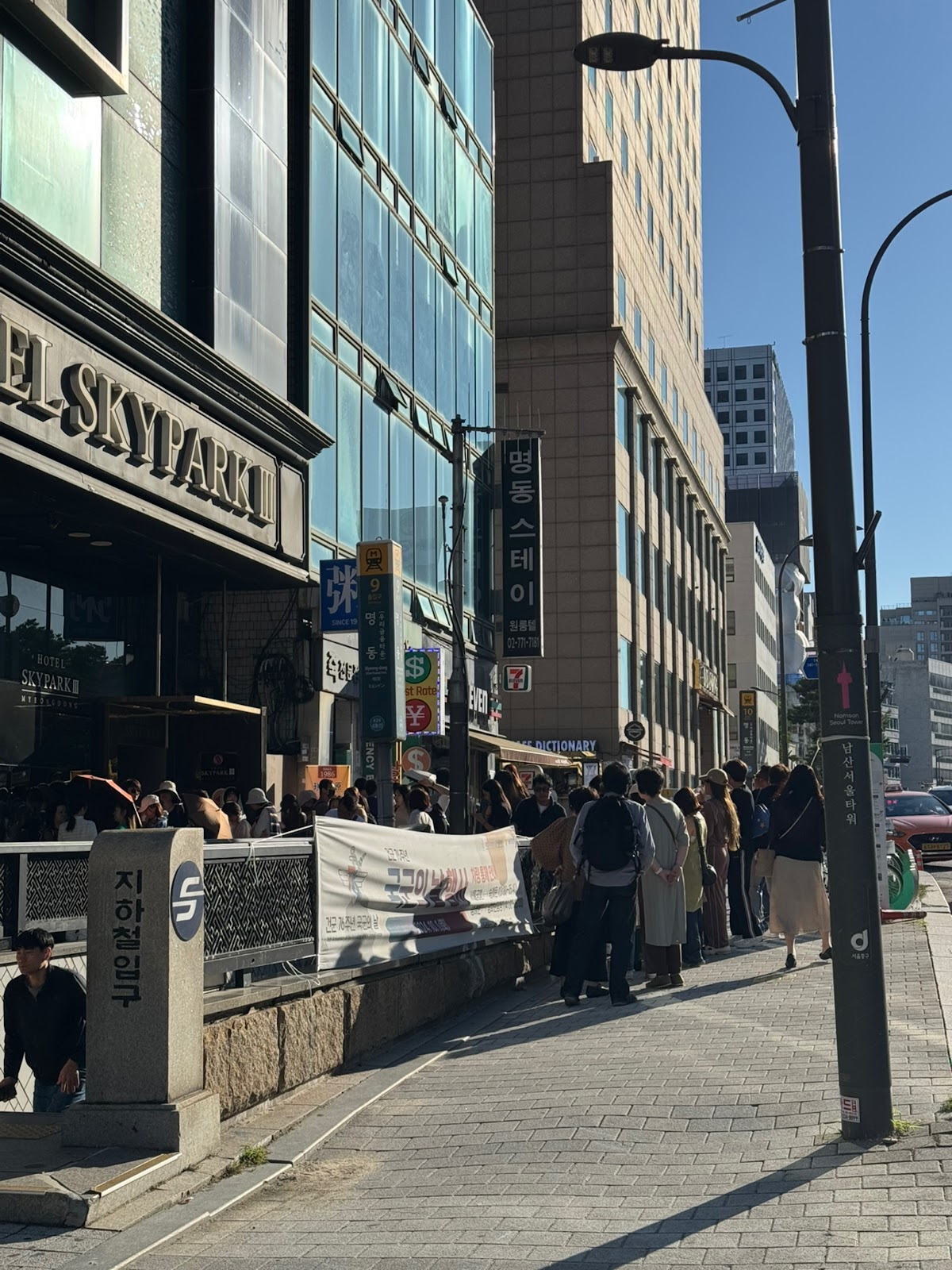
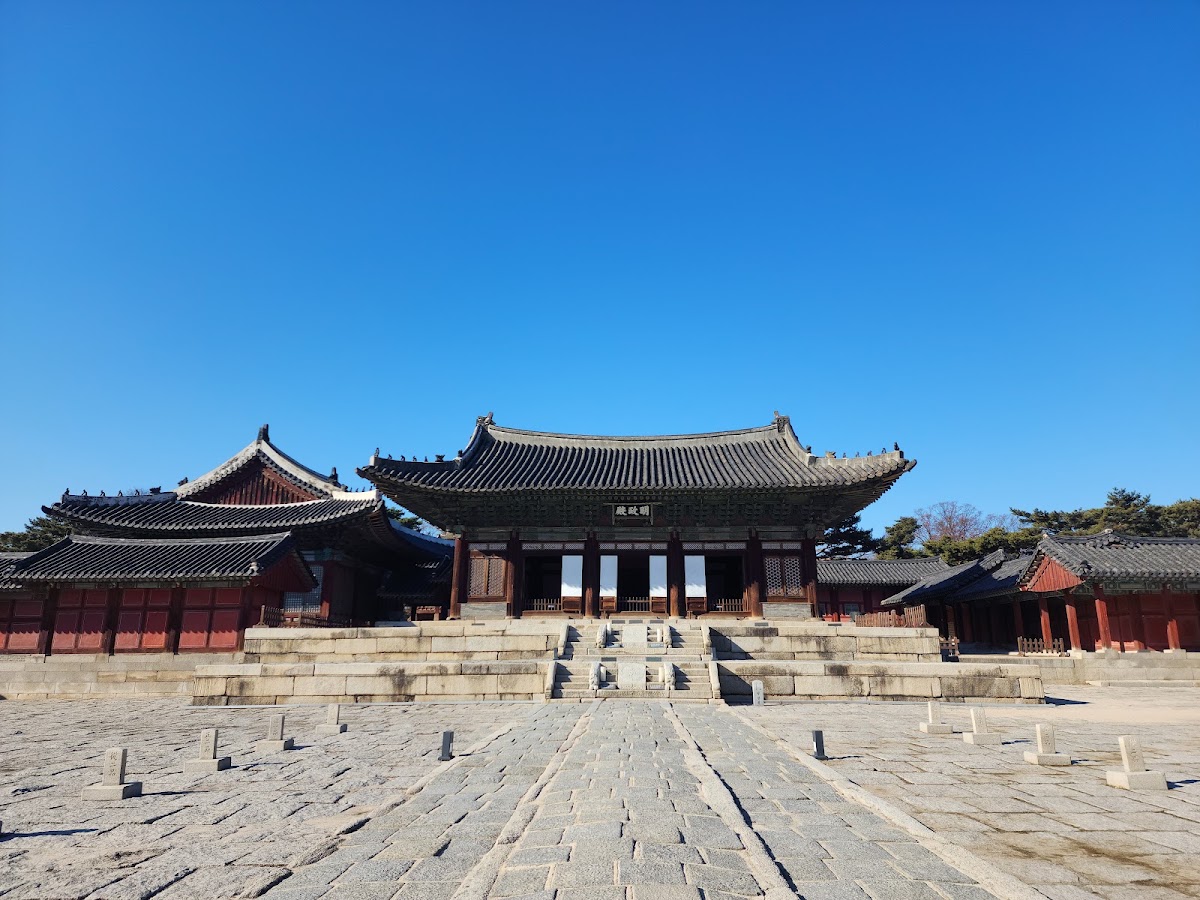
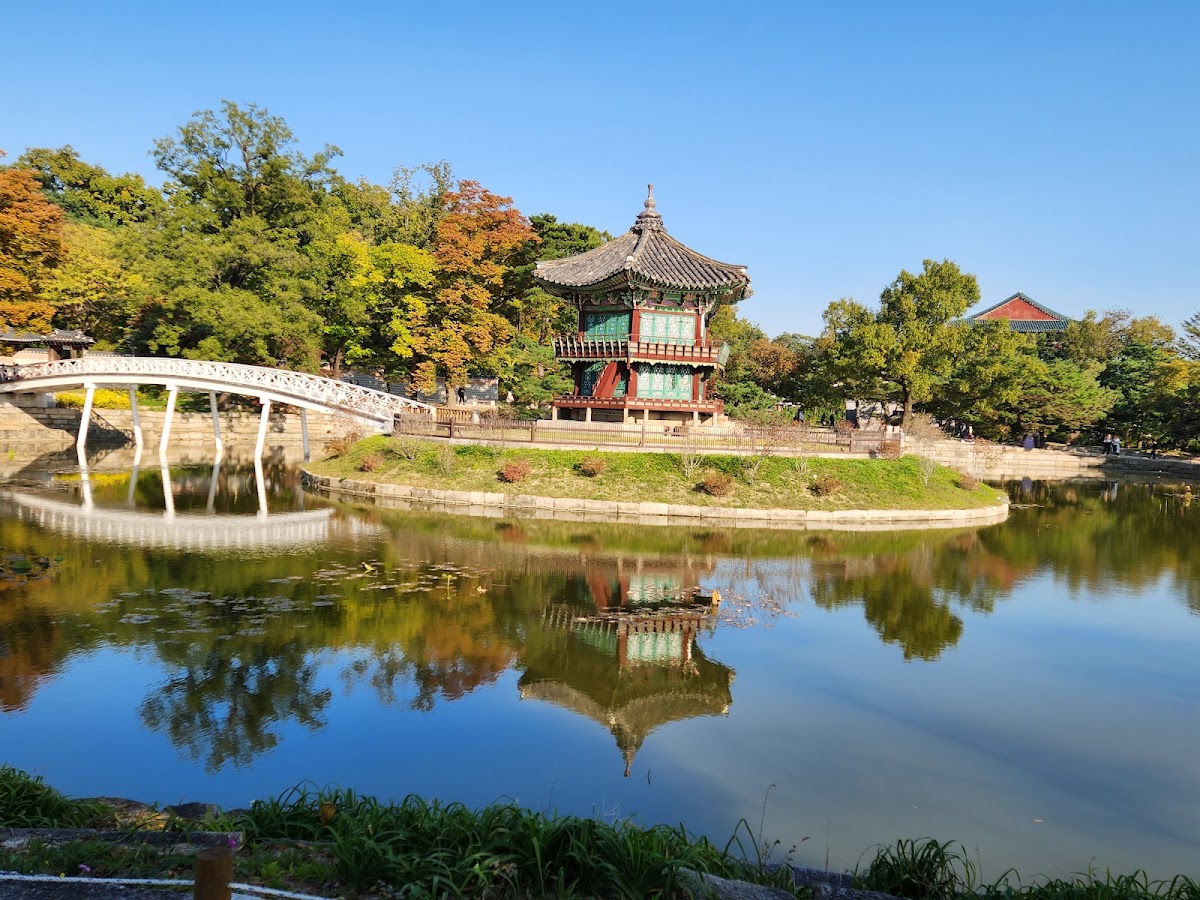
Breakfast at Seowonjuk sets up a morning at Changdeokgung, the Joseon dynasty palace that gains more from a guided tour than any other stop on this trip. Book the Changdeokgung Secret Garden slot the moment you arrive: it is a separate, timed walk through pavilions, ponds and old trees, and it follows the palace directly because you enter it from inside the grounds.
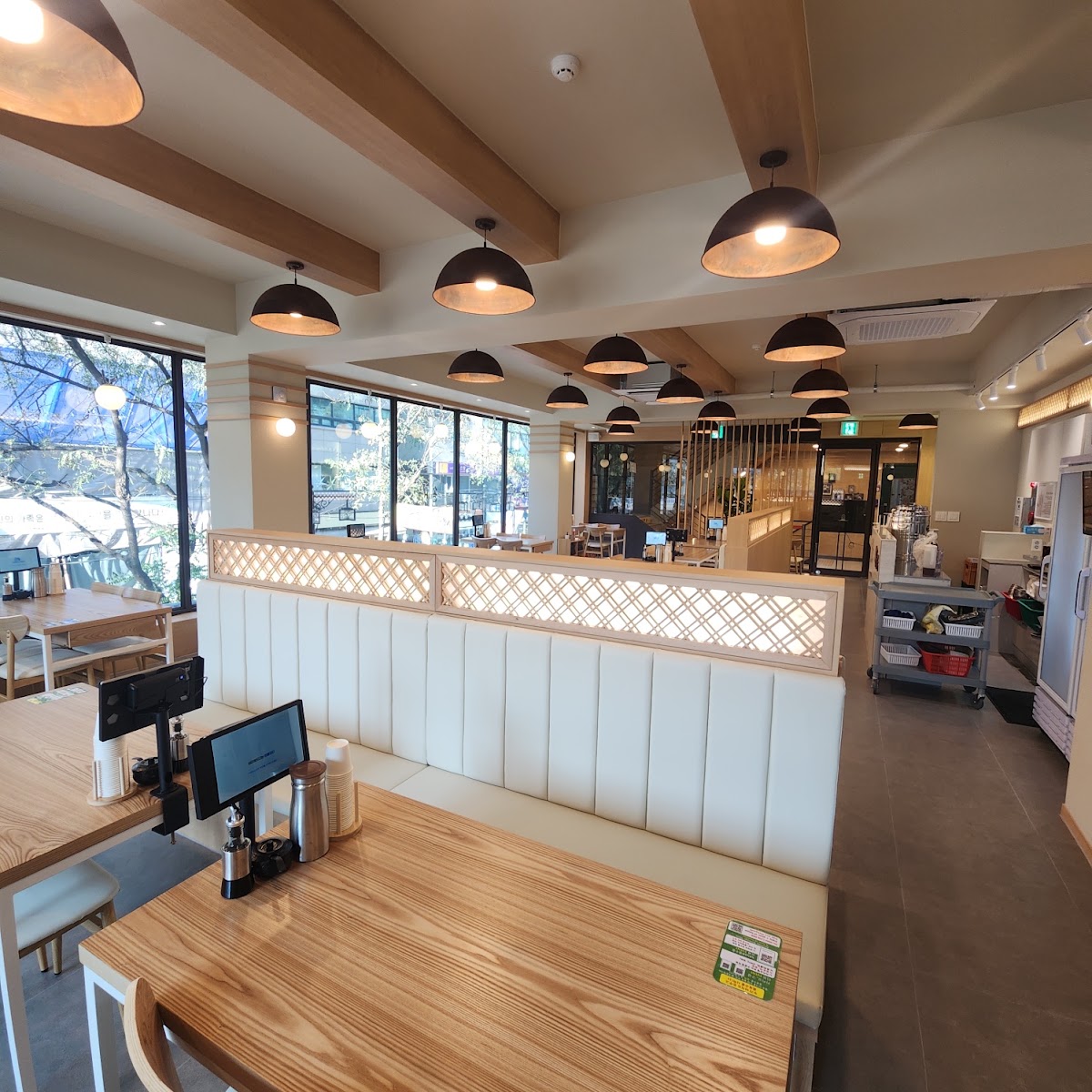
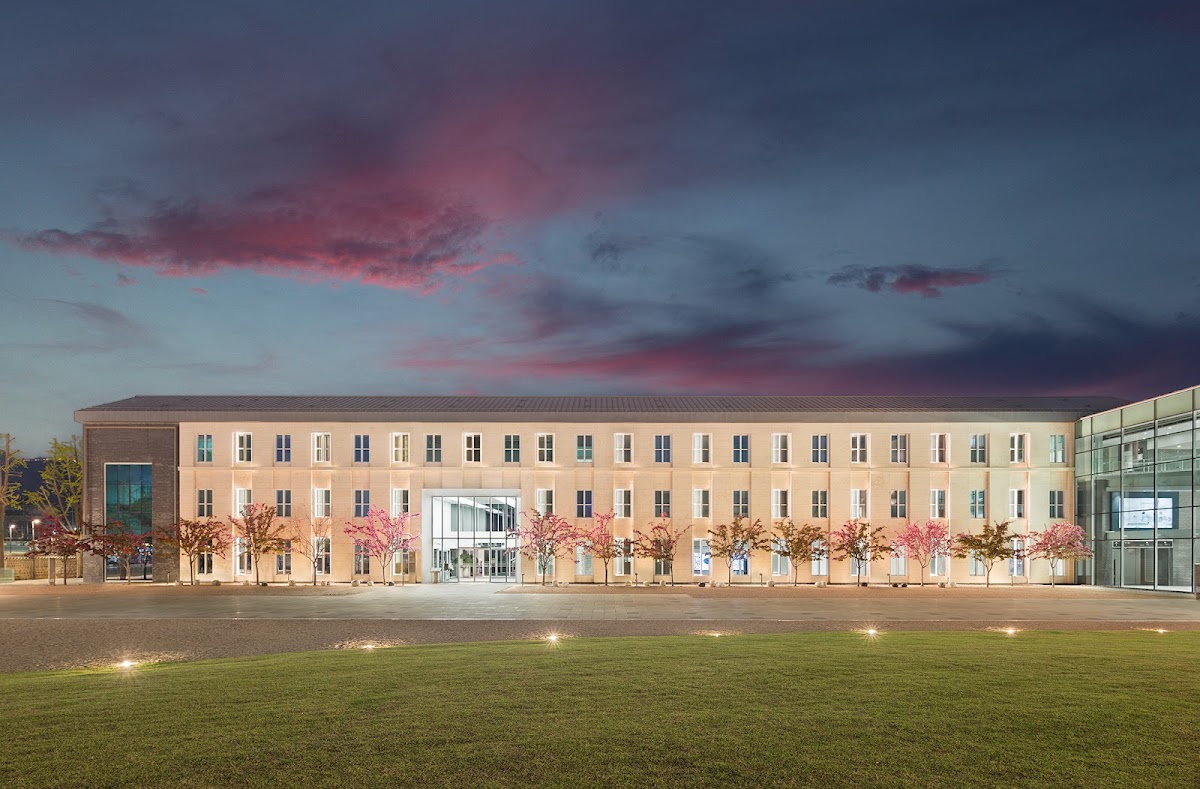
Lunch at SotNaeEum Jongno Insadong resets the pace before the Seoul Museum of Craft Art, a small indoor stop slipped between two outdoor ones. It is the cushion that makes this day sustainable: if the morning runs long or the weather turns, this is the flexible hour.
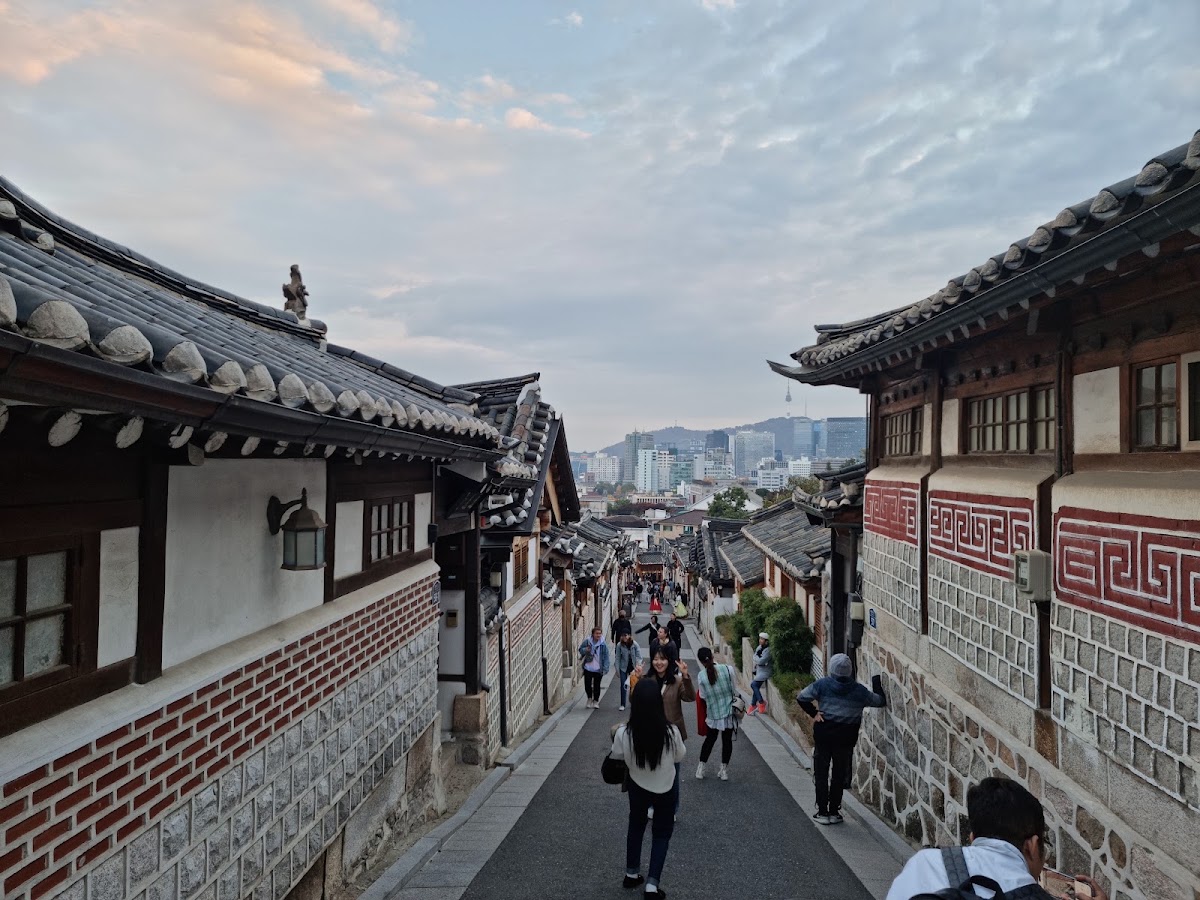
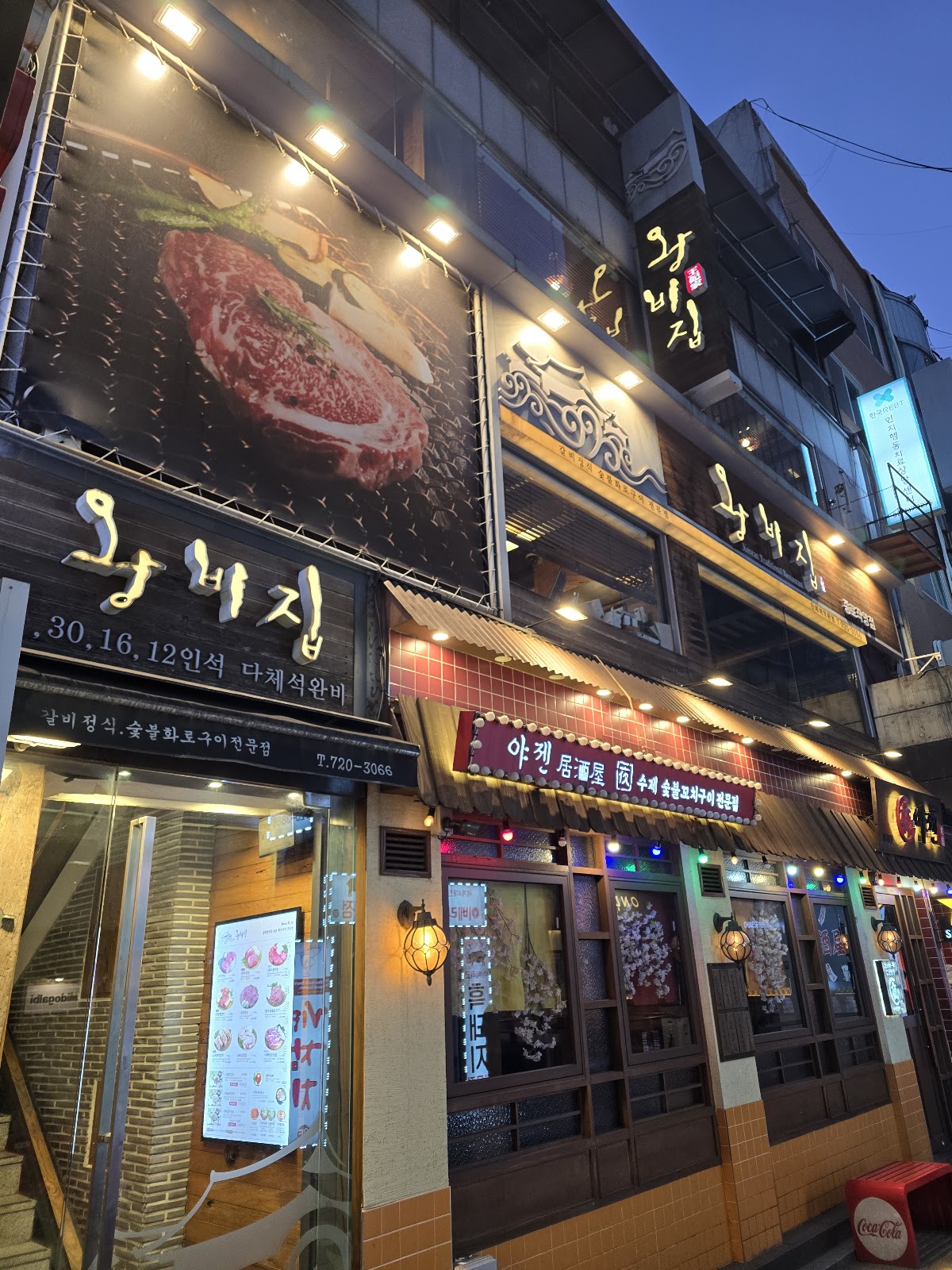
Bukchon Hanok Village comes late in the afternoon on purpose. The narrow lanes of restored traditional homes breathe easier once the tour groups thin out, and the light is kinder for photographs. Dinner at WangBiJip (Jongno branch) is a short walk downhill, closing the day where the neighbourhood melts back into the city.
09:00 – 10:00
4.8(2.8K)· Seoul
10:15 – 11:00
4.6(14K)· Seoul
Tours are offered of this large Joseon dynasty palace & its surrounding gardens.
11:00 – 11:30
4.7(2K)· 율곡로 99번지
Sprawling, scenic grounds around Changdeokgung Palace featuring pavilions, ponds & lush trees.
13:00 – 14:00
4.8(1.7K)· 14 2층
14:30 – 15:45
4.7(1.3K)· Seoul
16:15 – 17:00
4.4(24K)· Seoul
Village dating to the 14th century filled with narrow streets lined with restored traditional homes.
18:30 – 19:30
4.7(2.1K)· 24 2층
Day 3 is the one that keeps you from burning out, and it sits in the middle of the trip for exactly that reason. No palace, no market, almost no pavement: just two of the finest collections in the country, with long, unhurried meals between them.
The Leeum Museum of Art comes early, while you still have the patience for contemporary work and for looking closely. The National Museum of Korea follows in the afternoon; it is vast, and the honest advice is to choose two or three galleries rather than attempt the whole building. Between them, a proper sit-down lunch is part of the plan, not a gap in it.
By evening you will have walked a fraction of the previous day's distance and seen more Korean history than on any other day. That trade is the whole reason this day lands third rather than at the end.
09:00 – 09:30
4.8(623)· Seoul
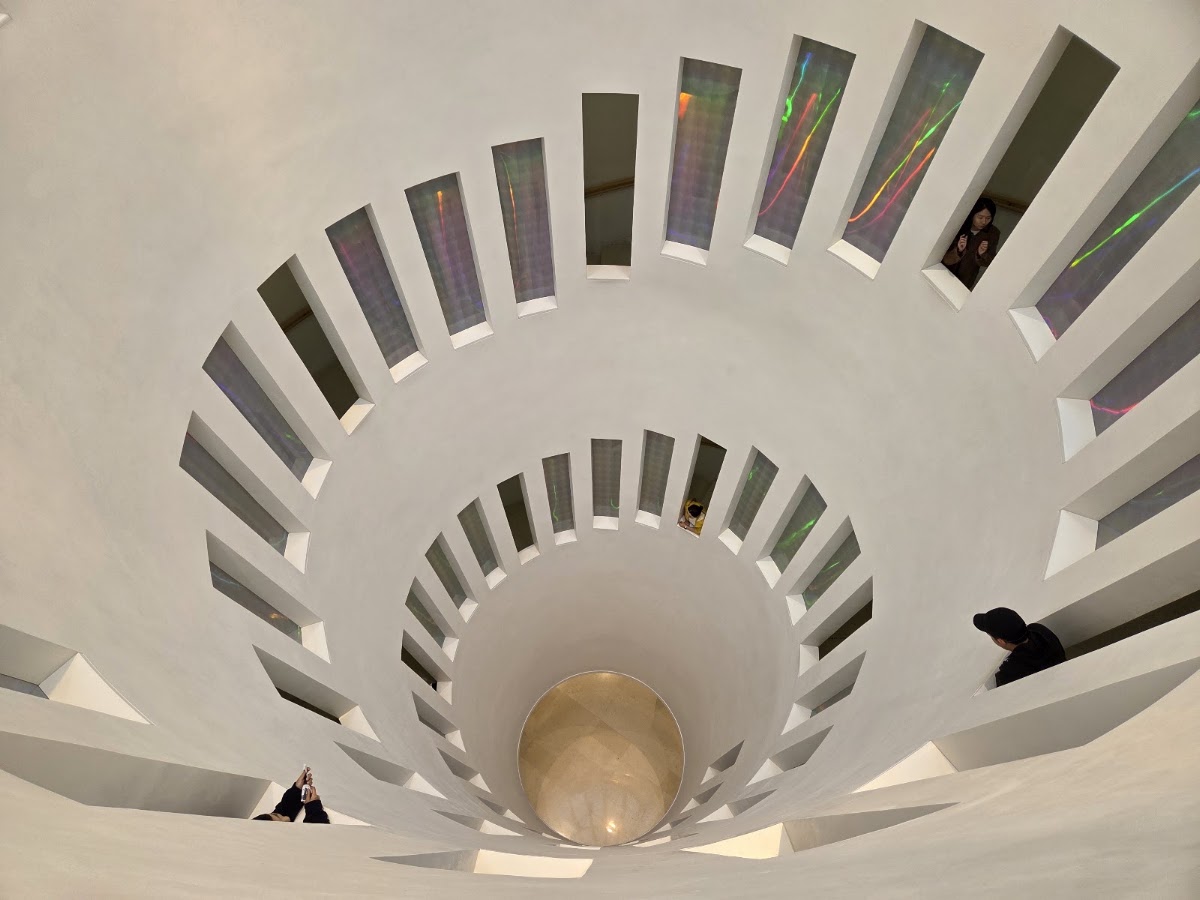
10:30 – 11:45
4.6(3.1K)· Seoul
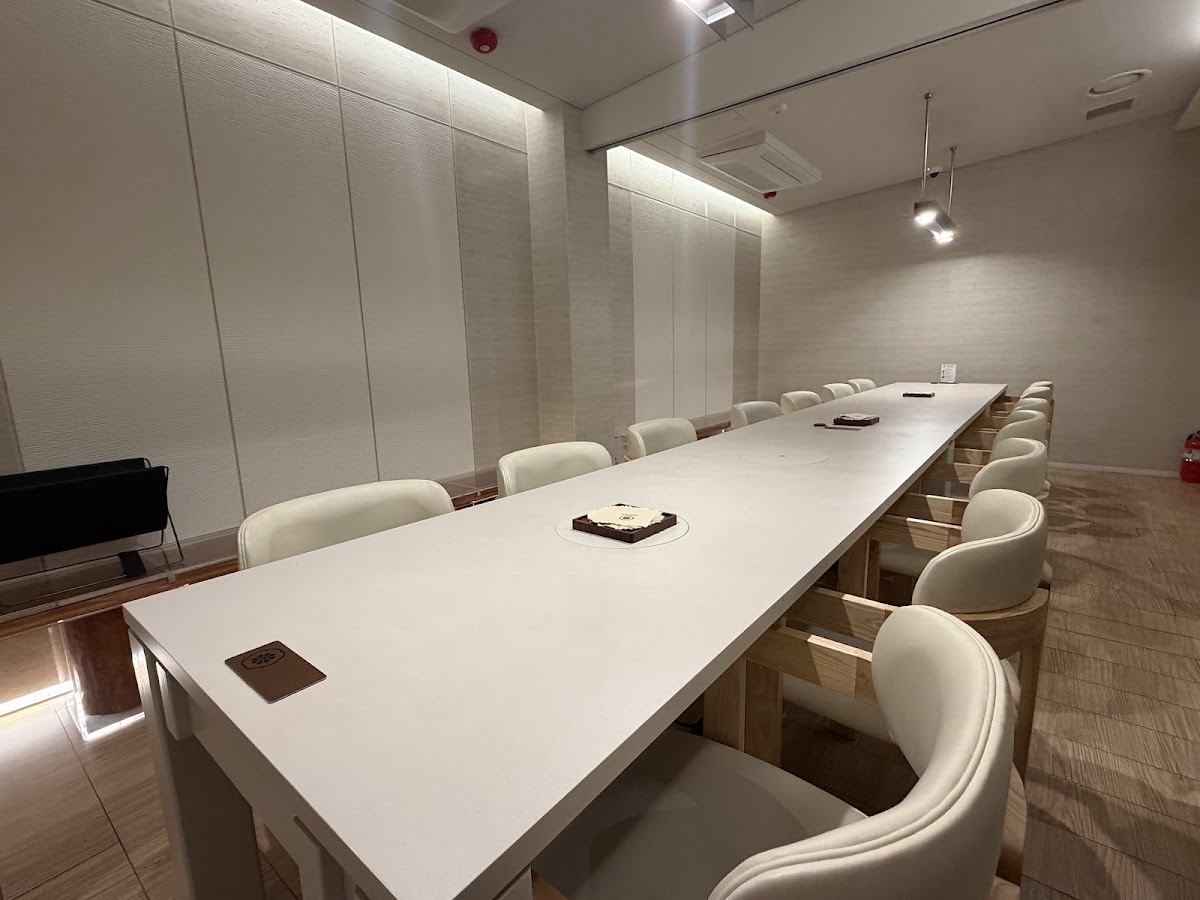
13:00 – 14:00
5
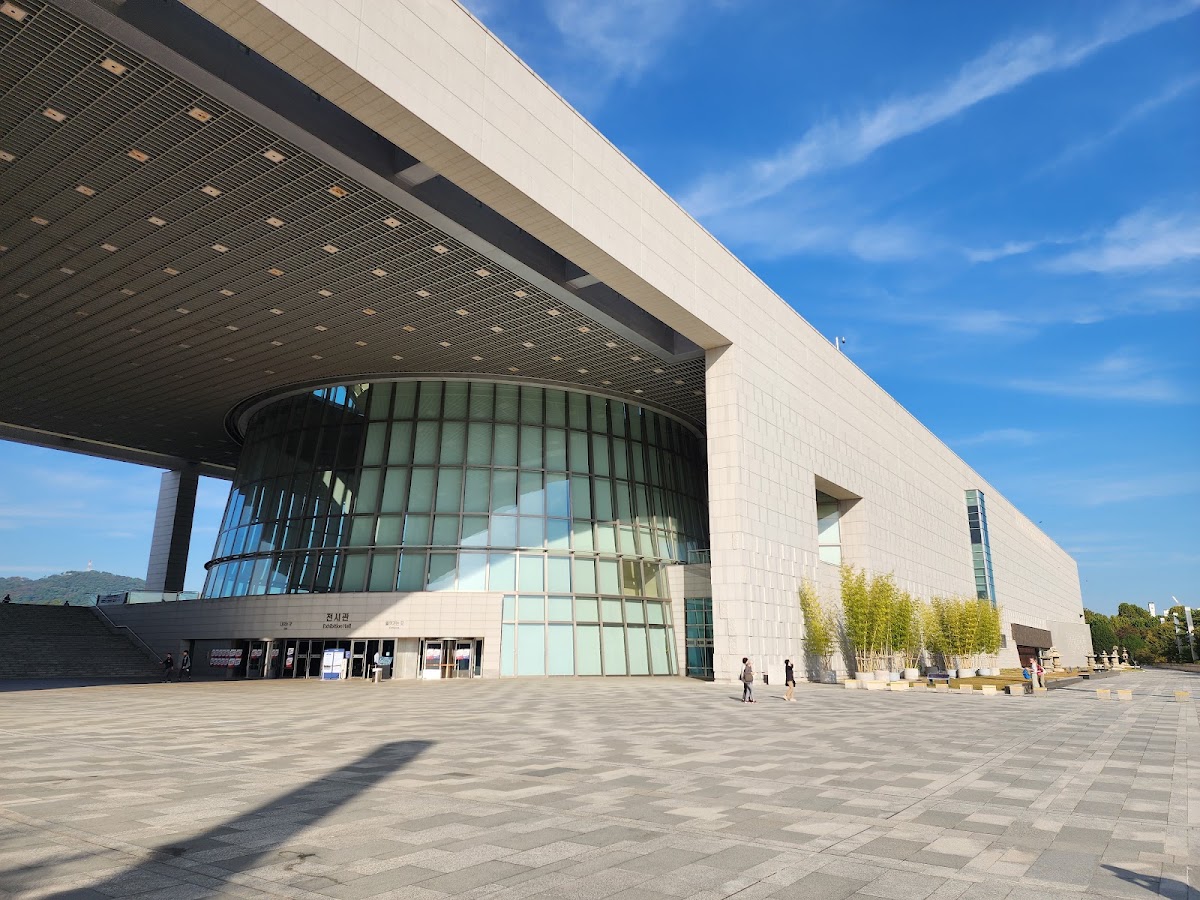
14:30 – 16:30
4.7(29K)· Seoul
Major building opened in 2005 to house the country's cultural & military artifacts & artworks.
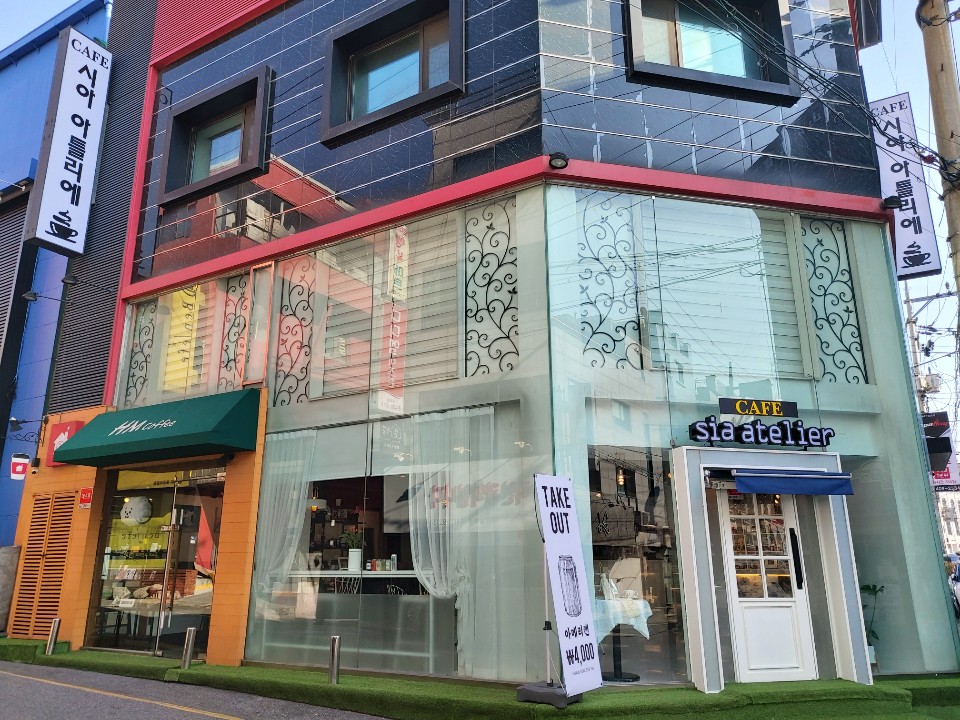
17:00 – 18:00
4.8
19:00 – 20:00
4.8
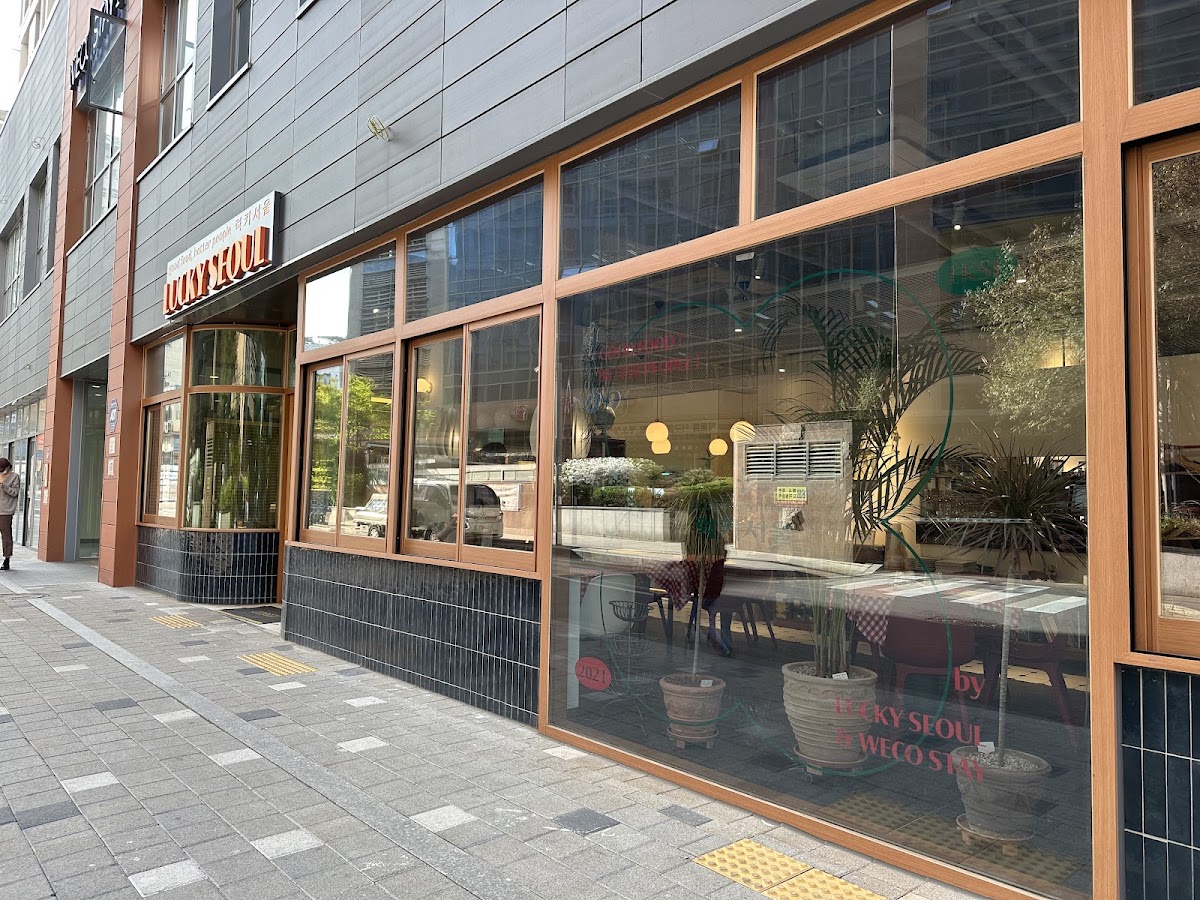
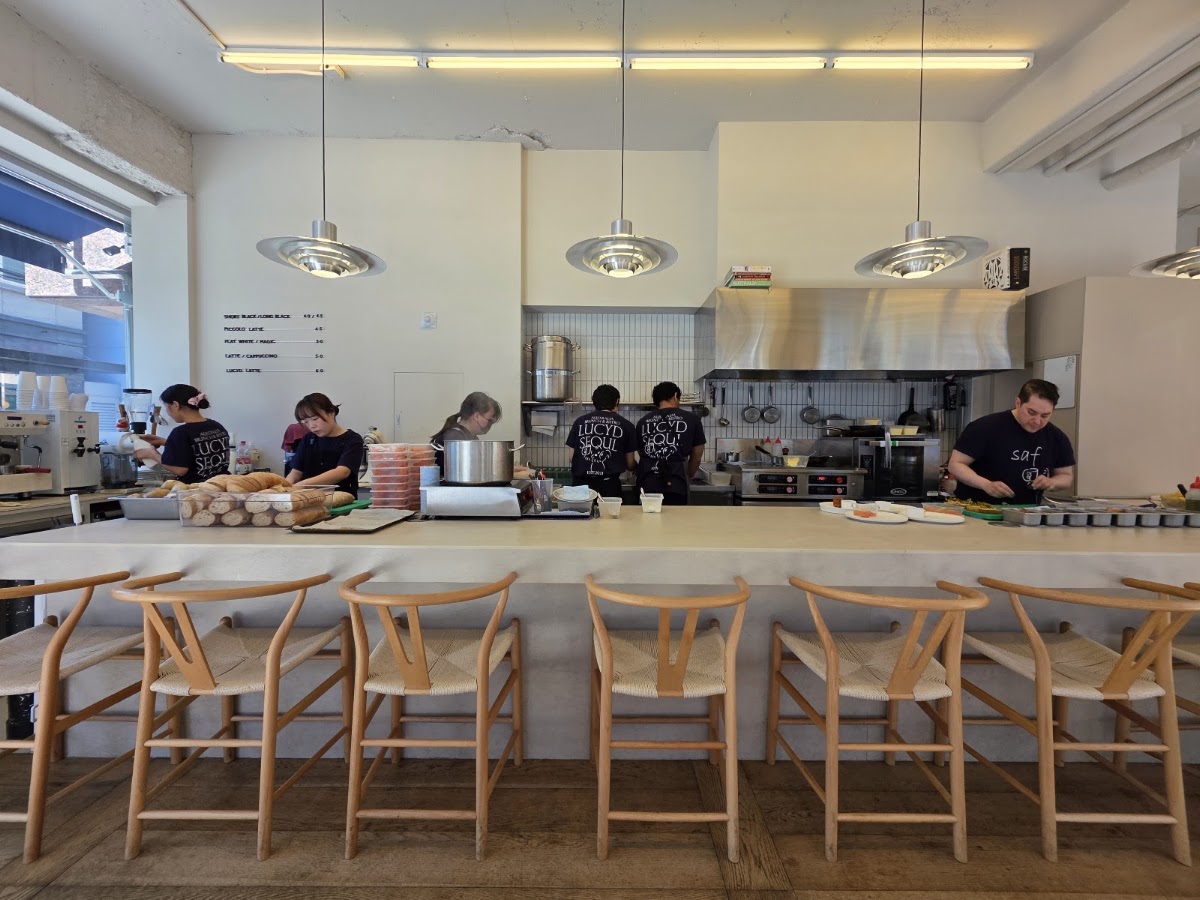
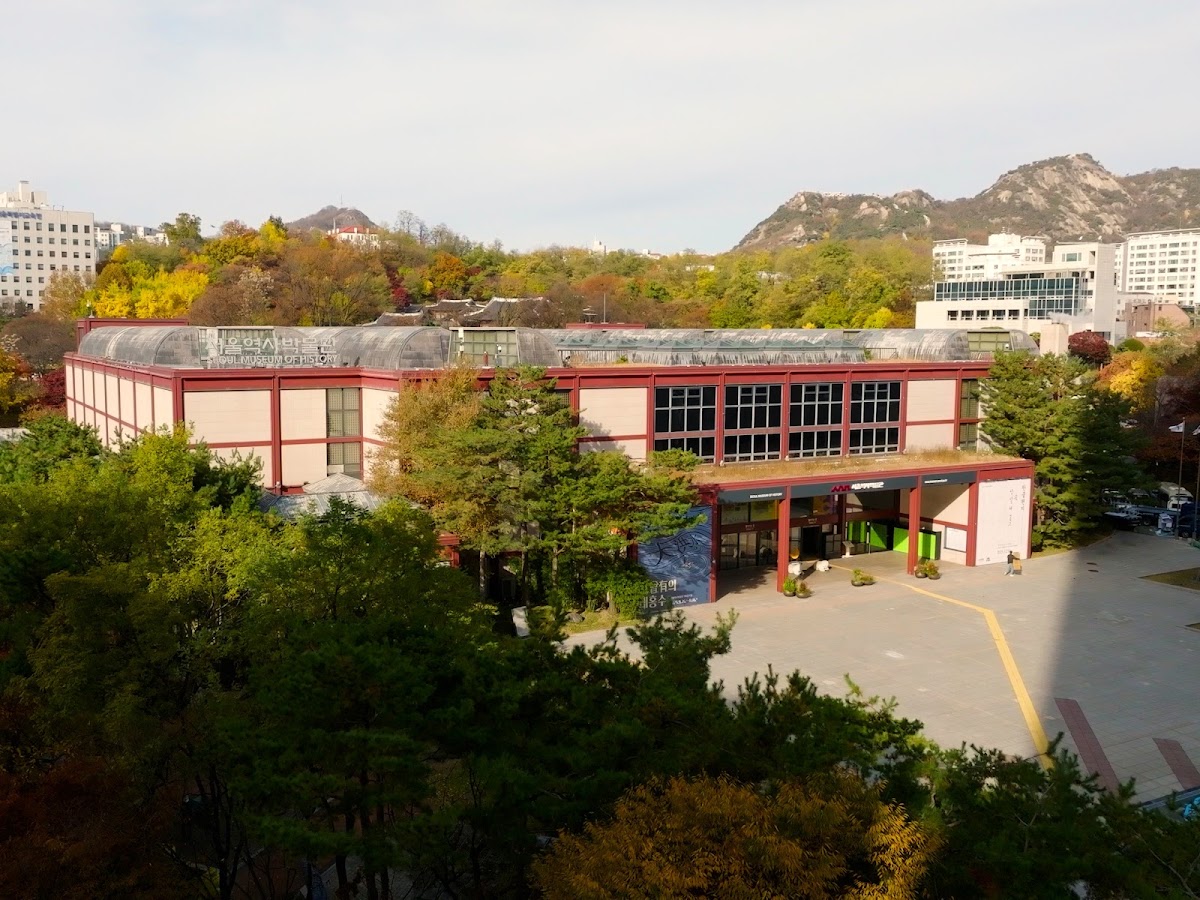
The last day is shaped like a climb. Breakfast at Lucyd leads into the Seoul Museum of History, and putting it here is deliberate: after three days of palaces, markets and museums, it is the stop that ties everything into one story, from the prehistoric city to the present one.
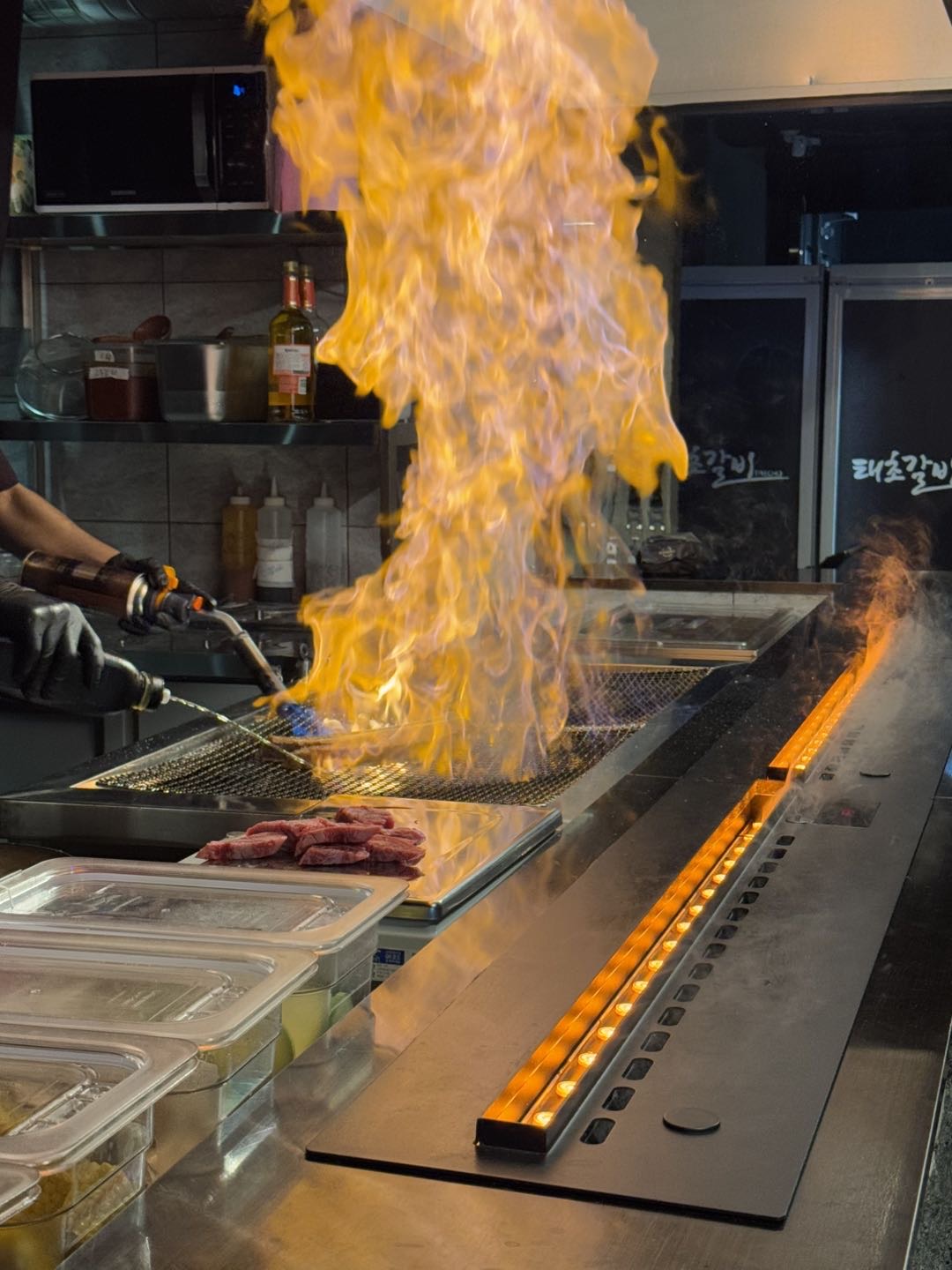
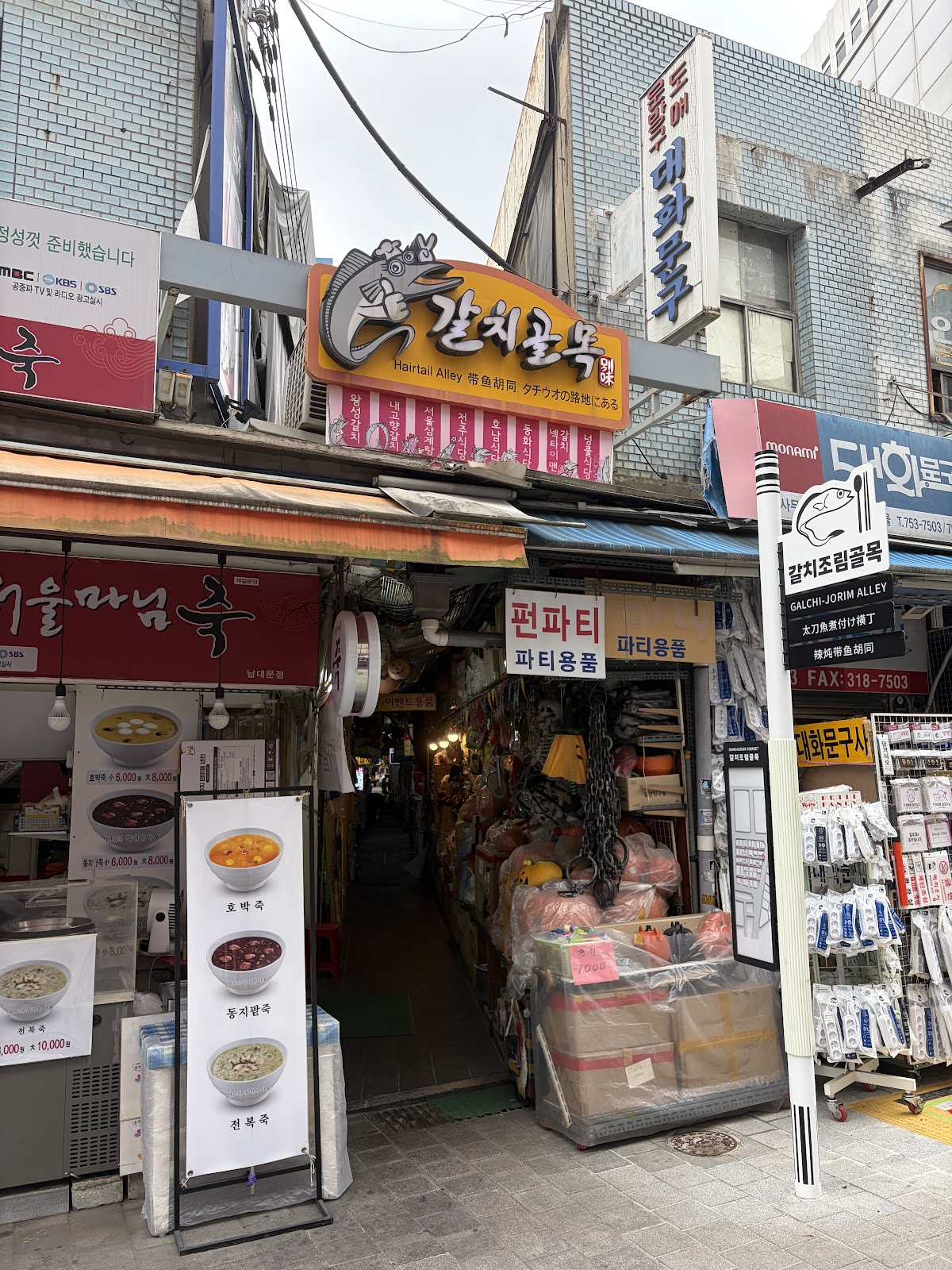
Lunch at Taecho Galbi refuels you for Namdaemun Market, a sprawl of stalls selling clothes, household goods and local odds and ends. Treat it as a browsing stop rather than a shopping mission — it sits between the museum and the hill, and the point is to reach Namsan Mountain Park with time to spare.
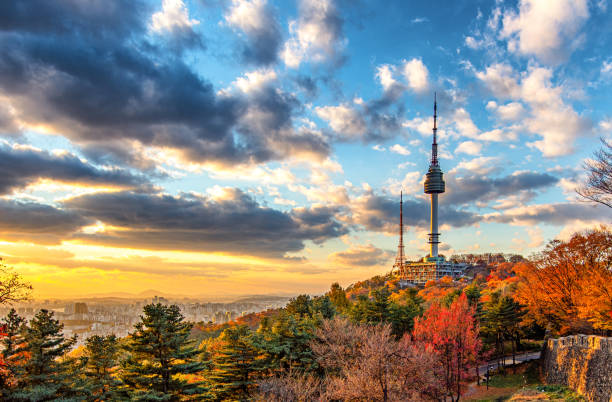
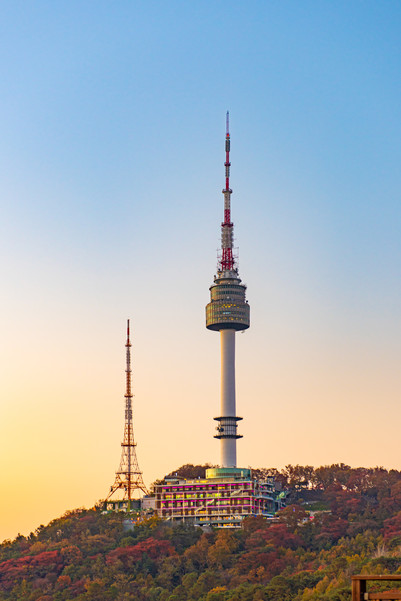
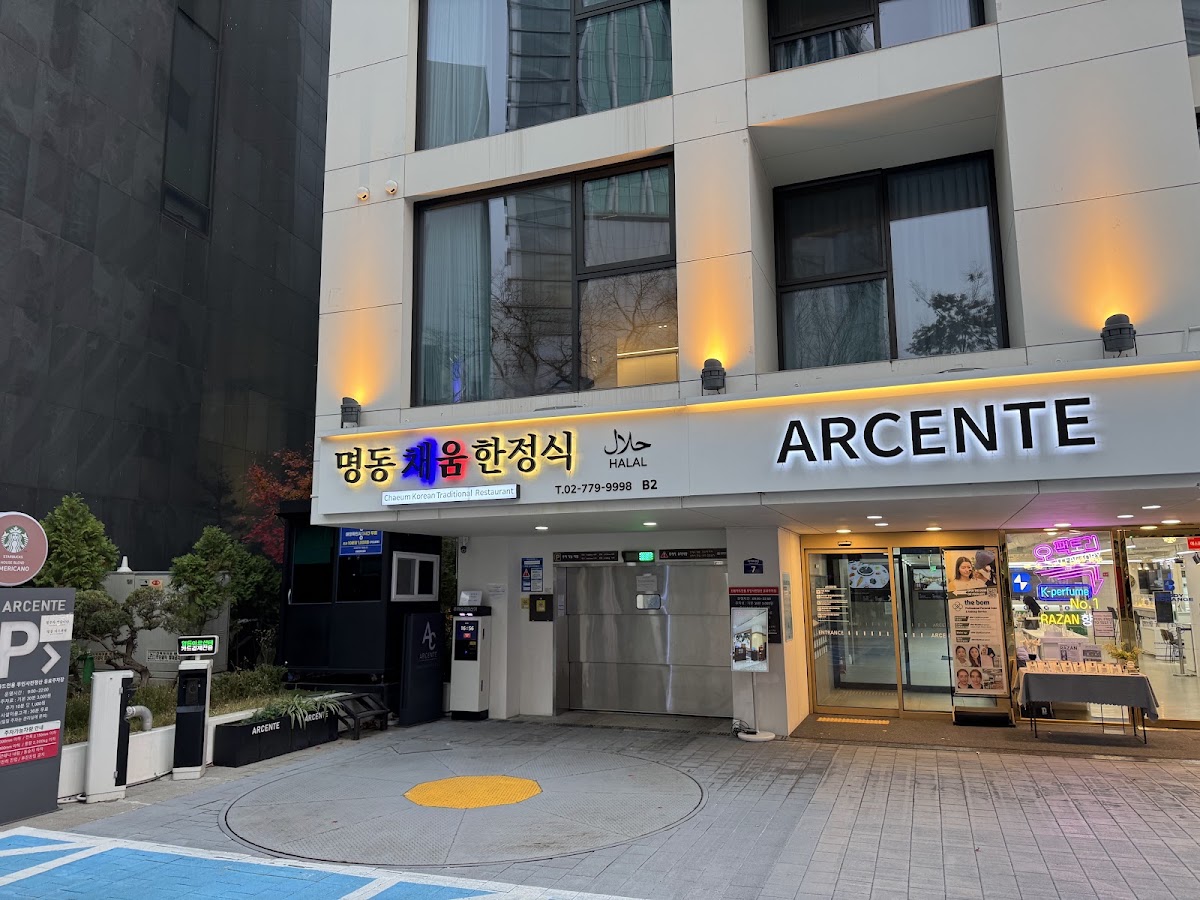
Namsan Mountain Park is Seoul's largest park, and you can take the trails or the cable car up through the forest to N Seoul Tower. The panoramic views land best late in the day, when the city switches on beneath you. Dinner at a traditional Korean restaurant afterwards is the quiet full stop the trip has earned.
09:30 – 10:30
4.7(688)· Seoul
11:00 – 12:15
4.5(5.4K)· Seoul
Museum on the history of Seoul from prehistoric times to the present, with temporary exhibits.
13:00 – 14:00
4.9(2K)· 18 6층
14:15 – 15:15
4.2(28K)· Seoul
Opened in 1964, this large area of stalls offers clothes, household goods & local items.
16:00 – 17:00
4.7(2.6K)· Seoul
Seoul’s largest park, a tranquil, hilly forest with trails, an observatory tower & a cable car.
17:30 – 18:15
4.5(68K)· Seoul
Opened in 1980, this iconic tower offers panoramic views of the city & a revolving restaurant.
19:00 – 20:00
4.9(1.4K)· 7 지하 2층
Seoul is at its best in spring and autumn, when the air is mild and dry and long walking days like these feel effortless. Summer brings heat and heavy rain, so palace mornings and market evenings work better than midday sightseeing. Winter is cold and bright, which suits museum-heavy days and hot food. This itinerary is built to work year-round: almost every stop is indoors or a short walk from shelter.
For a first trip, yes — comfortably. This plan covers two royal palaces, the Secret Garden, Bukchon Hanok Village, two major museums, two markets and the view from N Seoul Tower, and it still protects one deliberately slow museum day and proper sit-down meals. Four days will not exhaust Seoul, but they are enough to stop feeling like a stranger in it.
A fair amount, but it is well spread. Days 1, 2 and 4 are walking days built around tight clusters — the palace district, Bukchon, and the climb from the market to the tower — while Day 3 is almost entirely indoors. Nothing on the plan requires a long journey between stops.
Yes, with one caveat: keep Day 3 in the middle. The two museum visits are what make the back-to-back walking days survivable. Otherwise each day is self-contained, so swapping Day 1 and Day 2 costs you nothing.
You can open this exact trip in the Wayfaro app and regenerate it for your own dates, group and pace. The stops stay the same; the timings, meal slots and routing adjust around you.
Seoul · 2 days
2 Days in Seoul: The Perfect First-Timer ItinerarySeoul · 3 days
3 Days in Seoul: The Perfect First-Timer ItinerarySeoul · 5 days
5 Days in Seoul: The Perfect First-Timer ItineraryAmsterdam · 2 days
2 Days in Amsterdam: The Perfect First-Trip ItineraryTell Wayfaro how you travel and get a personalized day-by-day itinerary in minutes.