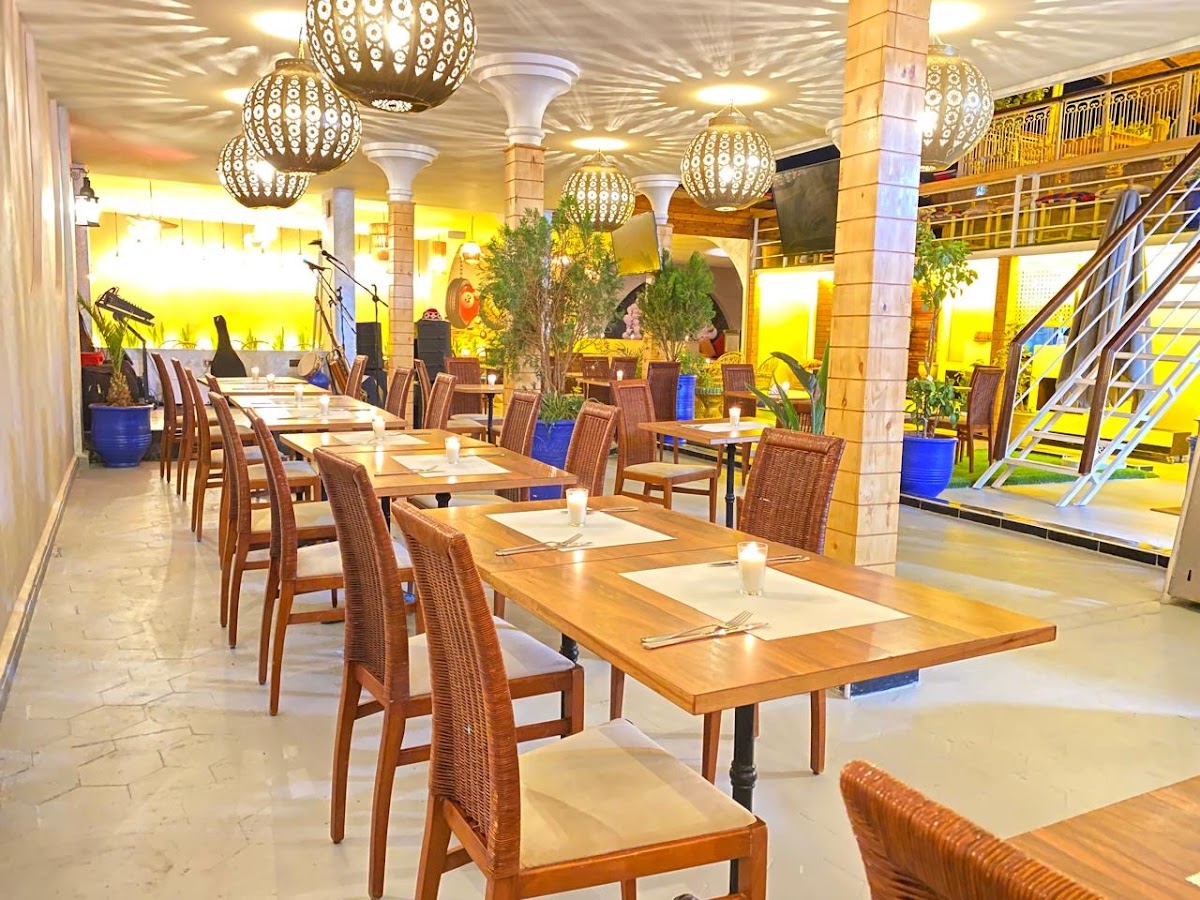
09:00 – 10:00
Rooftop Restaurant El Kennaria
Breakfast
4.7(2.9K)· Marrakech 40000
Marrakech · 4 days · First trip
Marrakech rewards a first visit that keeps things classic. This four-day plan sticks to the essentials — the great landmarks, the palaces, one long afternoon in the souks and a run of gardens to slow you down — without ever making you sprint between them. You get the sights everyone comes for at a humane pace, with enough sitting, sipping and looking around to make the city feel like yours.
The route is built around geography so you are rarely doubling back. Day 1 takes the headline sights of the old city in one confident sweep, Day 2 works through the courtyards, museums and market lanes just north of them, Day 3 heads out to Jardin Majorelle before easing into a gentler afternoon, and Day 4 trades the crowds for wide green space and craftwork. Every day is anchored by a rooftop or a courtyard table, so you refuel where you already are.
This is a ready-made Wayfaro itinerary, which means you can open this exact trip in the app and regenerate it for your own dates, group and pace in a few taps. Below is the day-by-day, plus practical tips and answers to the questions first-timers ask most.
This is a real itinerary generated by Wayfaro. Open it in the app to regenerate it for your own dates and preferences.
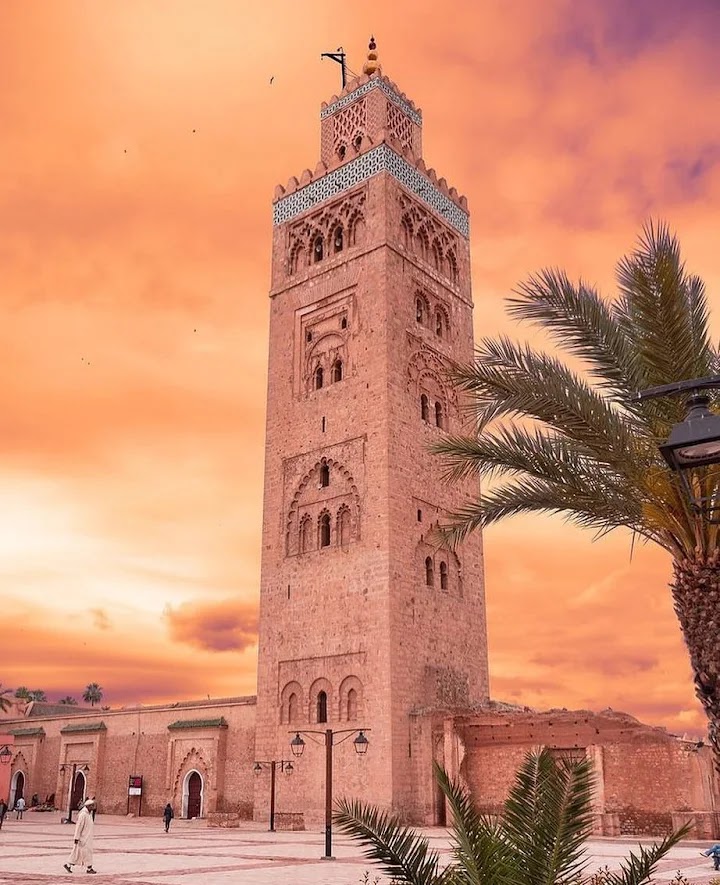
The day opens on a terrace: breakfast at Rooftop Restaurant El Kennaria hands you the rooftops and the skyline before you set foot among them. From there it is a short stroll to Koutoubia, the vast Almohad-style mosque from the twelfth century whose plaza, gardens and fountain give you the city's easiest landmark — once you can pick out its tower, you always know roughly where you stand.
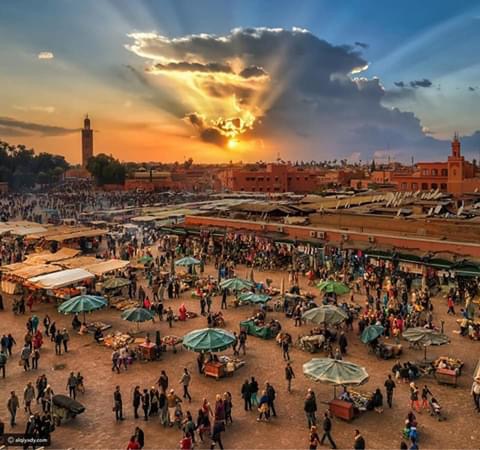
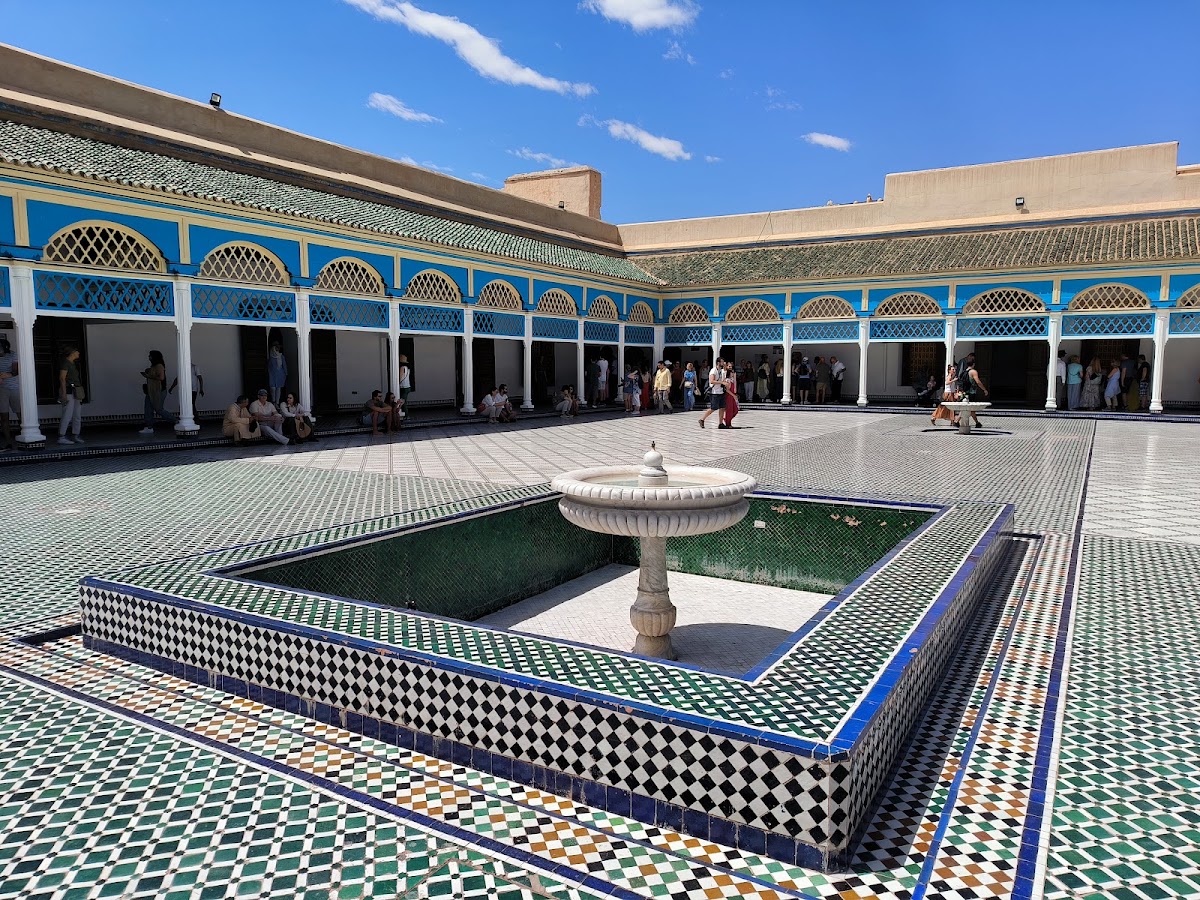
Jemaa el-Fnaa comes next, the huge gathering square of market stalls, food carts and performers that is less a sight than a weather system; see it now to get your bearings and you will find yourself circling back to it all trip. The mood changes completely at Bahia Palace, whose 160 rooms, courtyards and eight acres of gardens are the best possible introduction to Moroccan craft: carved cedar, painted ceilings and tilework that rewards standing still. Lunch at La Pergola breaks the afternoon at exactly the right moment.
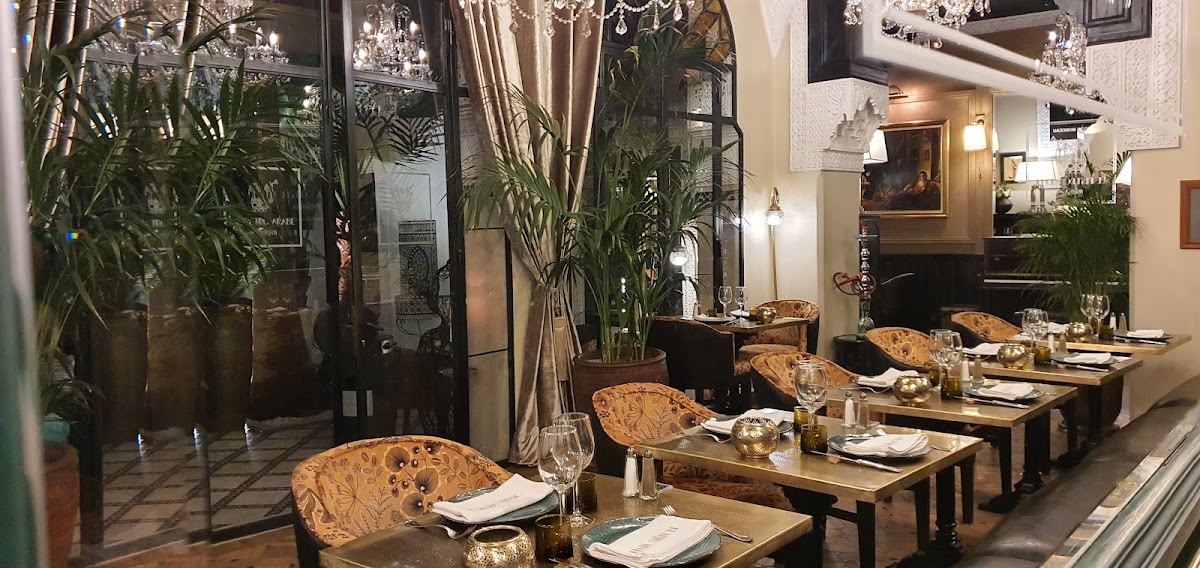
The second palace of the day is a ruin, and all the better for it: El Badi Palace keeps only its garden walls and the ornamental orange orchard from the sixteenth century, which leaves the scale of the place to your imagination. The Saadian Tombs nearby are the opposite — a once-hidden mausoleum, small and dense with colorful tiles, marble and stucco. Wind down over mint tea at Café des Épices, then let the day end at Le Bistro Arabe - Moroccan Jazz Restaurant in Marrakech, where Moroccan cooking arrives with live music. It is the biggest day of the four by design; front-loading the marquee sights makes everything after it feel unhurried.
09:00 – 10:00
4.7(2.9K)· Marrakech 40000
10:15 – 10:45
4.6(18K)· Marrakesh 40000
This large 12th-century Almohad-style mosque features a plaza with gardens & a fountain.
10:45 – 11:45
4.3(51K)· Marrakesh 40000
A busy gathering spot, this landmark square features market & food stalls & a variety of performers.
12:00 – 13:00
4.3(24K)· Marrakesh 40000
Vast, intricately designed palace with 160 rooms, courtyards & 8 acres of gardens.
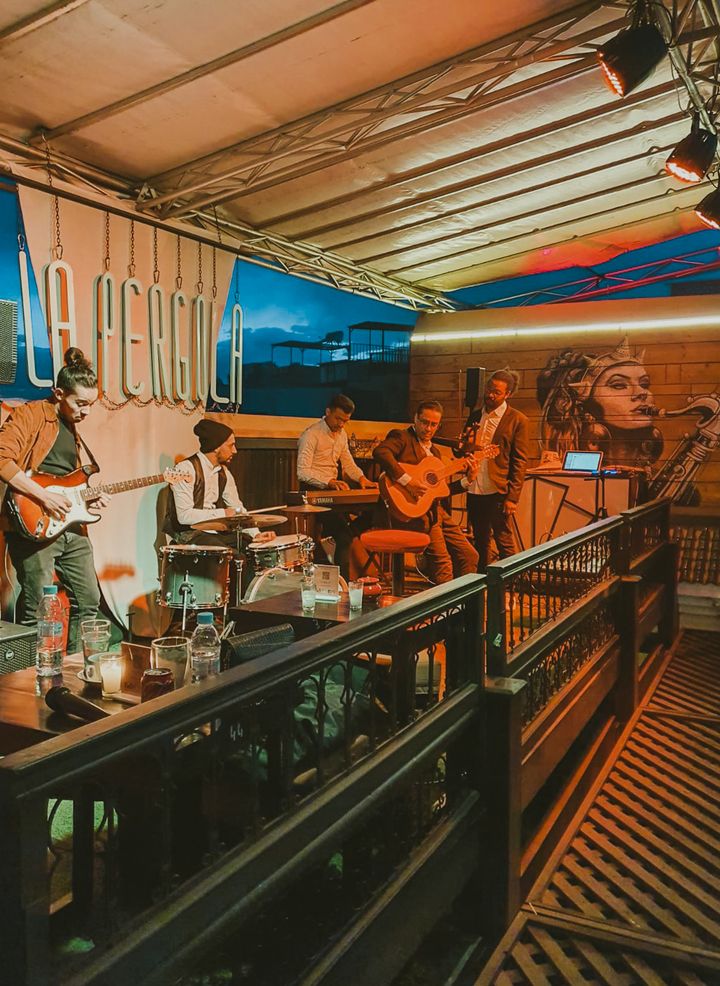
13:00 – 14:00
4.8(39K)· Marrakech 40000
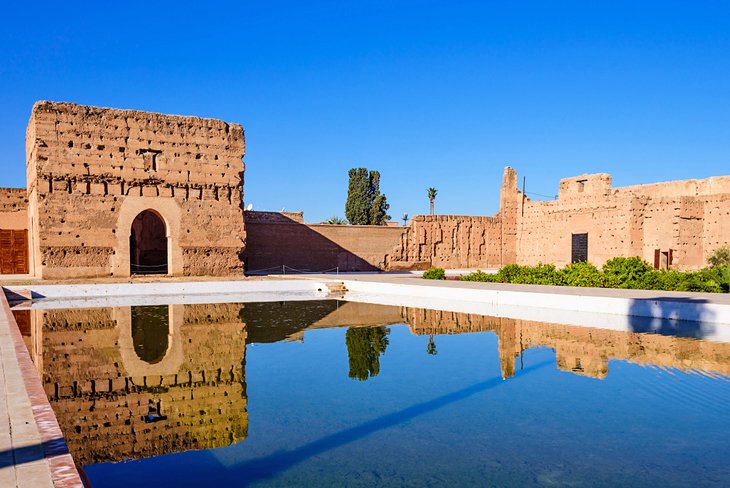
14:15 – 15:40
4.2(11K)· Marrakech 40000
Remains of a 16th-century palace whose garden walls & ornamental orange orchard still stand.
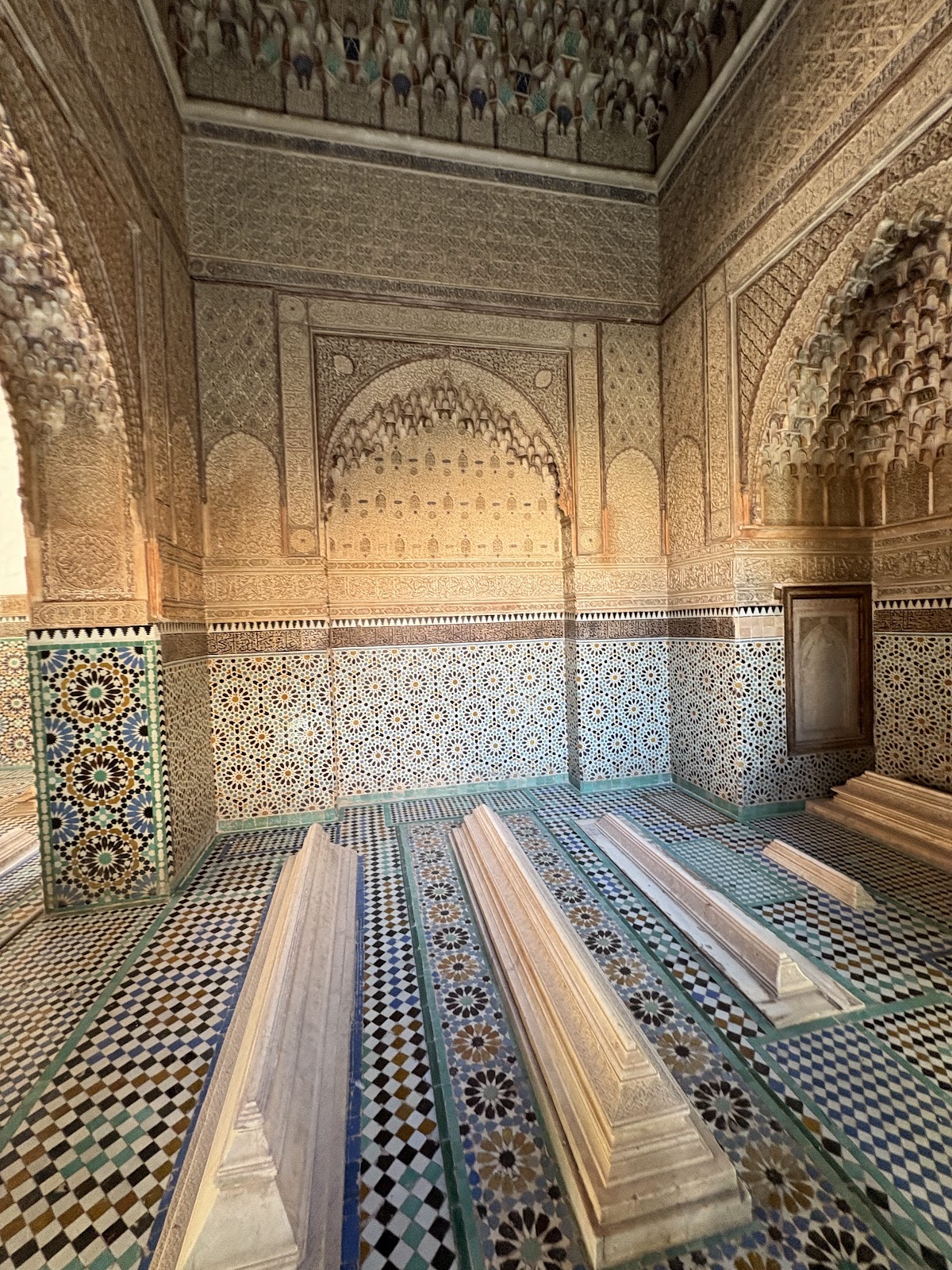
15:40 – 16:15
3.8(15K)· Marrakesh 40000
Once hidden mausoleum surrounded by gardens, decorated with colorful tiles, marble & stucco.
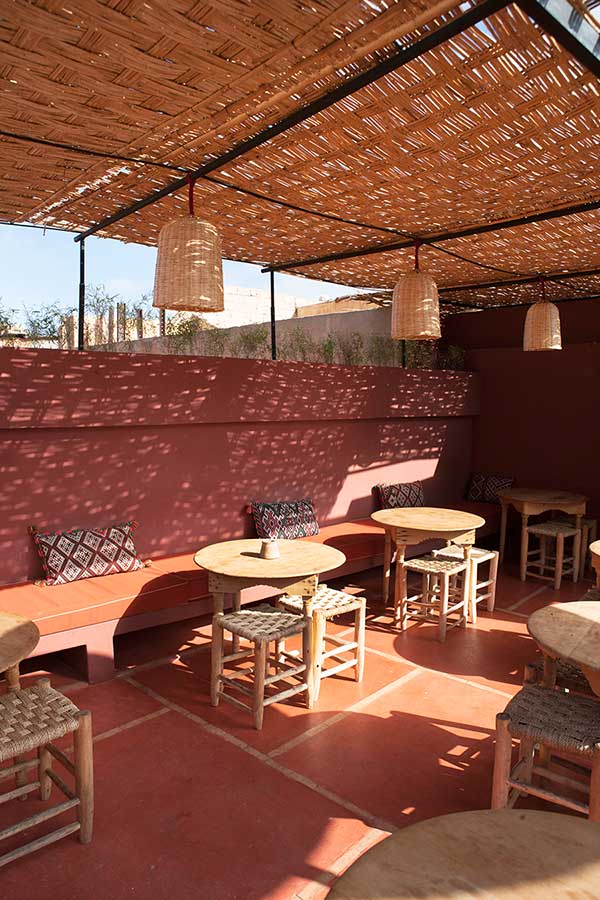
16:30 – 17:30
4.2(7.1K)· Marrakech 40000
19:00 – 20:00
4.8(16K)· Marrakesh 40000
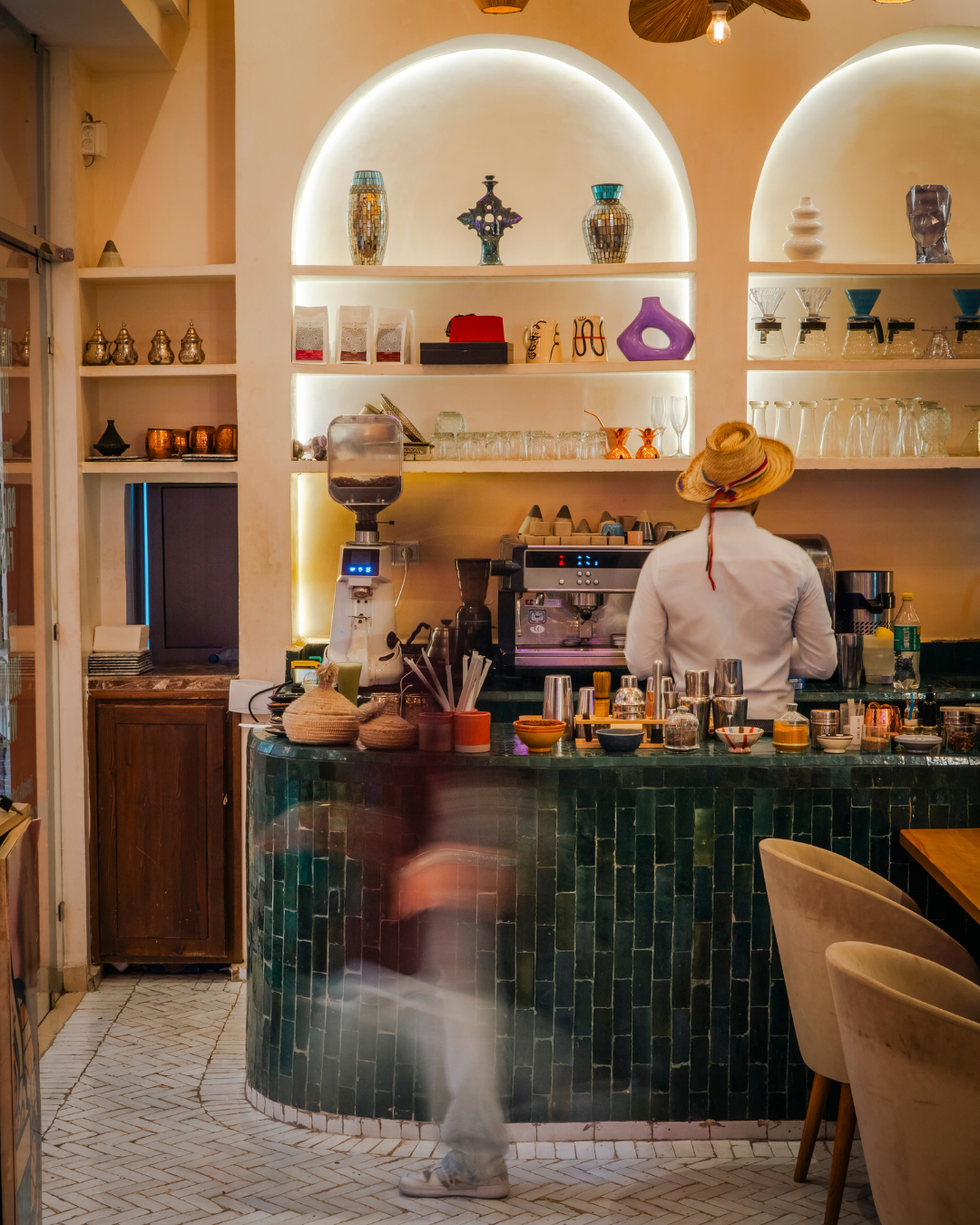
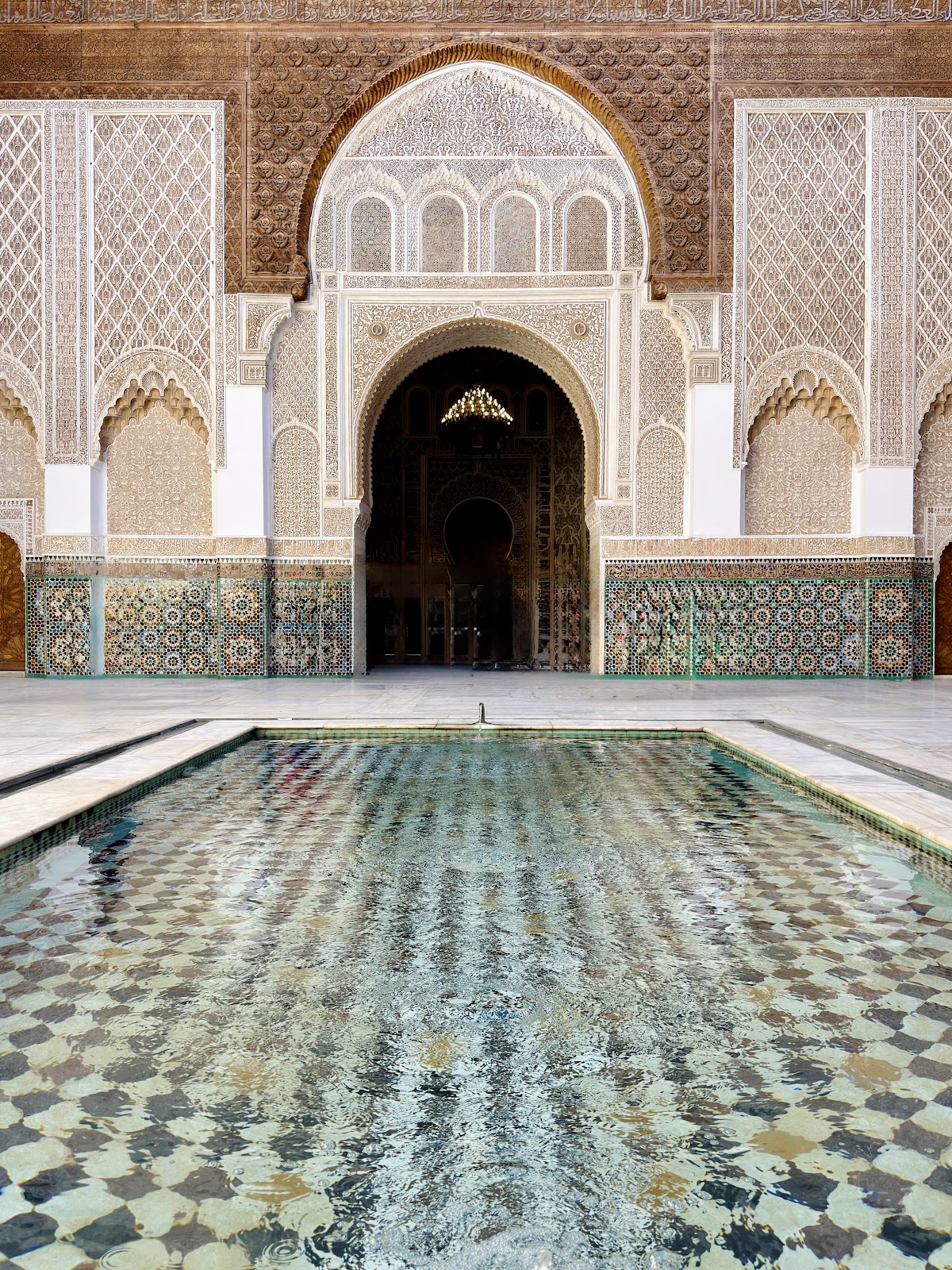
Start slowly over breakfast at Mozaik, because the morning's main event deserves a clear head. Madrasa Ben Youssef is a college building from the sixteenth century, and its prayer hall and tiled courtyards are the single most photographed piece of geometry in the city: carved wood, zellige and stucco stacked to the ceiling.
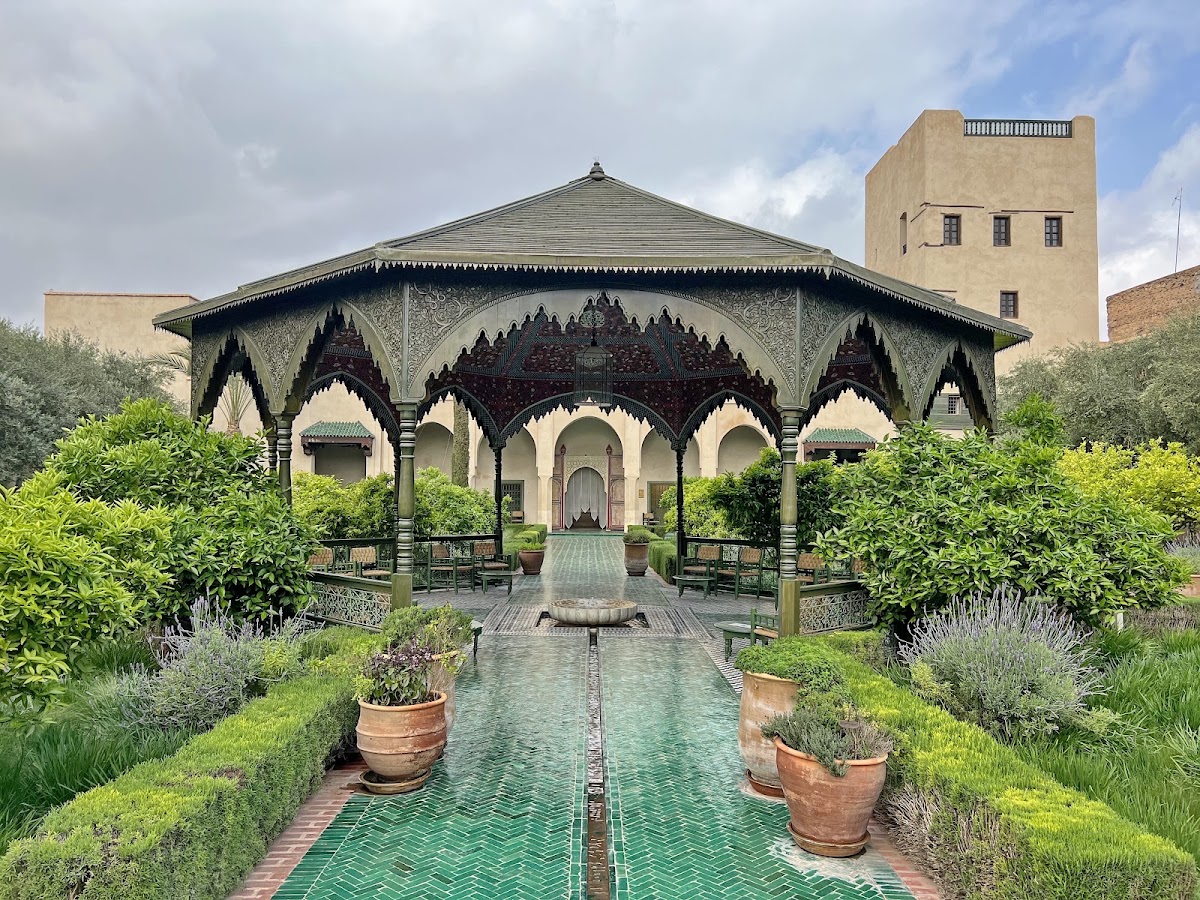
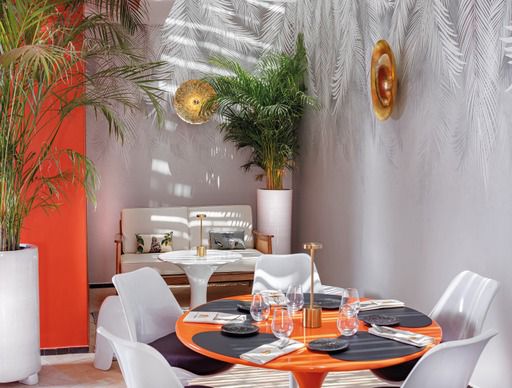
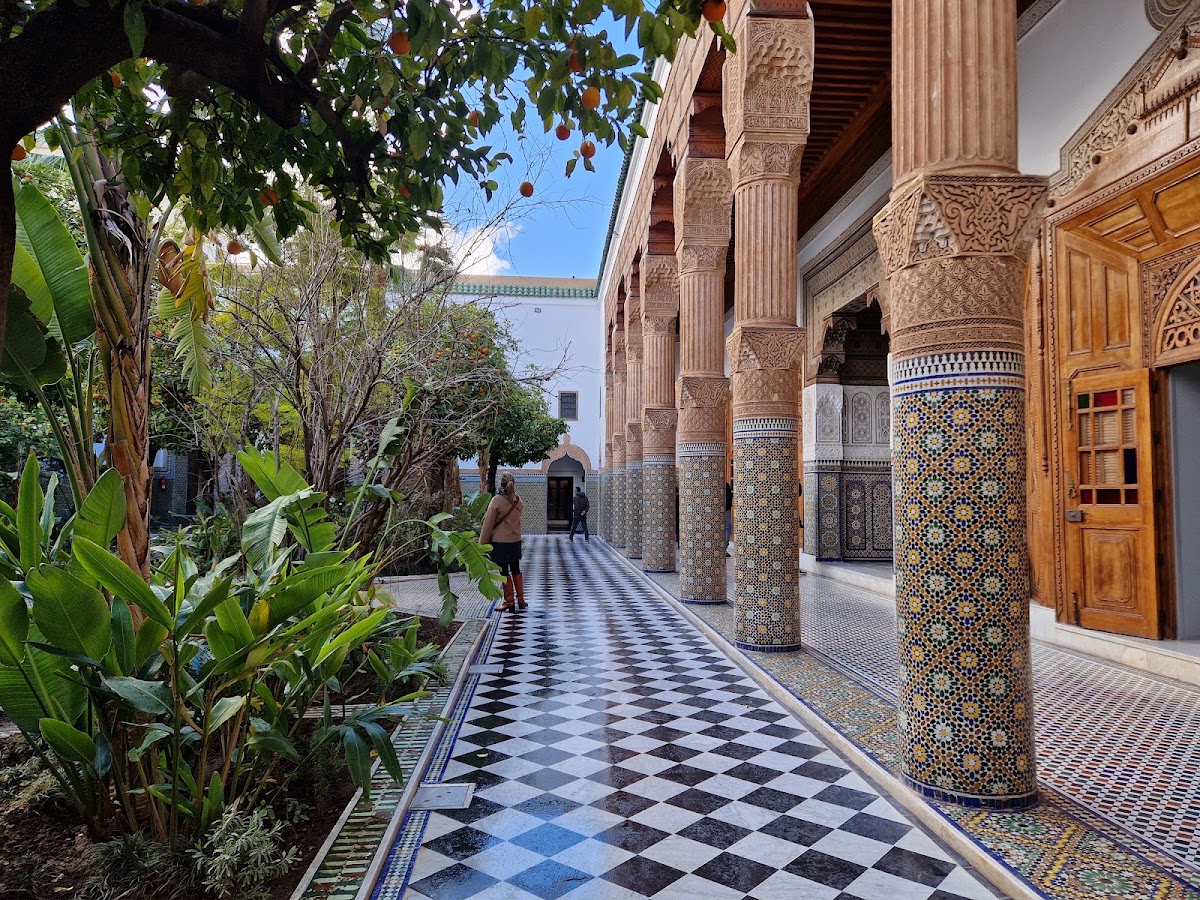
Le Jardin Secret follows, an elegant nineteenth-century palace complex with traditional Islamic gardens, a shop and a cafe, and it works here as a decompression chamber between crowds. Lunch at Le Slimana Restaurant & Rooftop puts you back above the lanes for a while, and the afternoon resumes at Dar El Bacha Museum, another courtyard-and-craft house that pairs neatly with the morning.
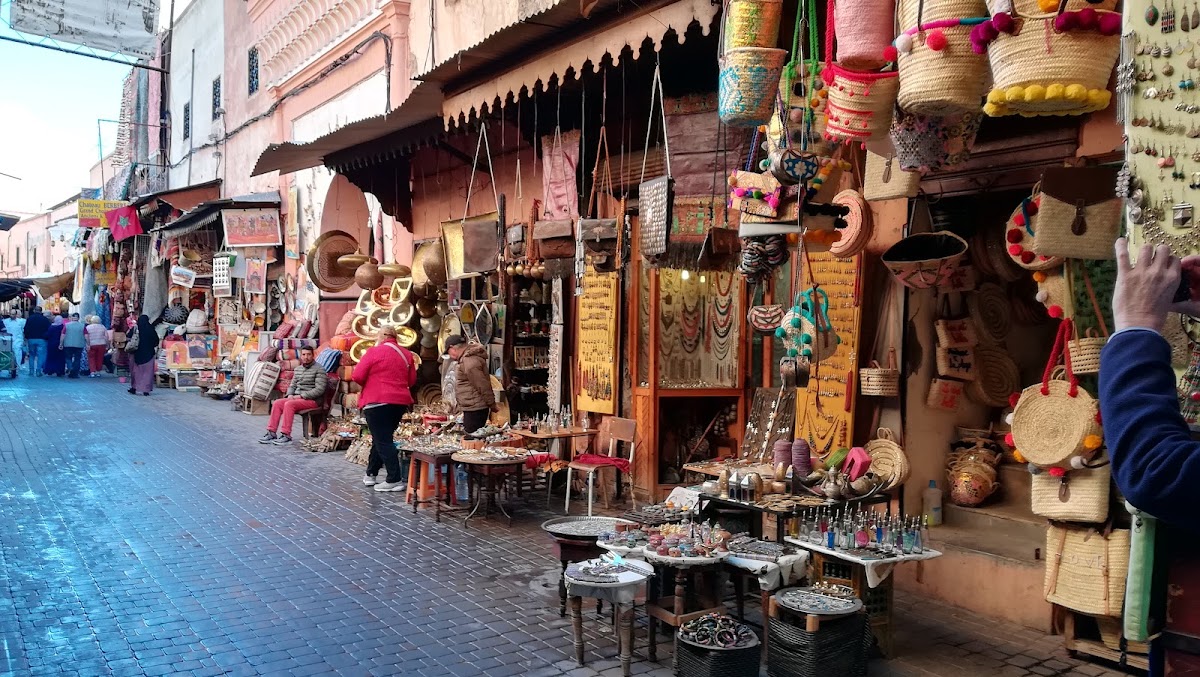
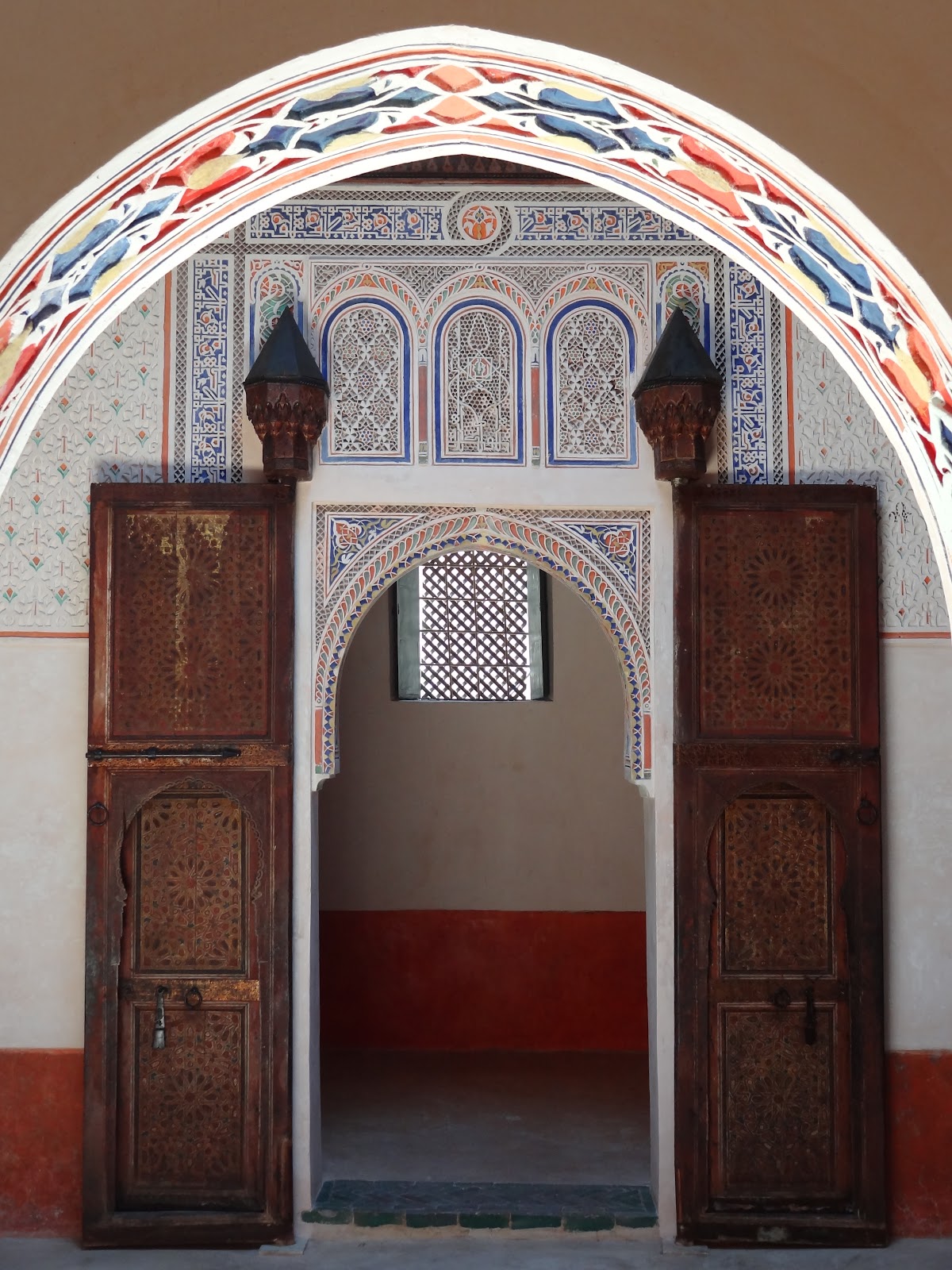
Then comes the part everyone worries about and nobody regrets: Souk Semmarine, a bustling market of fabrics, clothing, antiques, food and spices where getting mildly lost is the point. Surface again at the Museum of Mouassine Music, a small, calm collection of decorative objects, instruments and traditional Moroccan crafts that rests your ears as much as your feet. Dinner at Restaurant Le Grand Bazar Marrakech keeps you in the thick of it for one more hour.
08:30 – 09:30
4.6(651)· Marrakech 40000
09:45 – 10:25
4.7(13K)· Marrakech 40000
16th-century college building with prayer hall & courtyards decorated with tiles & carved wood.
10:25 – 12:00
4.2(13K)· Marrakesh 40030
Elegant, ornate 19th-century palace complex with traditional Islamic gardens, plus a shop & cafe.
13:00 – 14:00
4.8(7.5K)· Marrakesh 40000
14:15 – 15:30
4.6(3K)· Marrakech 40000
15:30 – 16:30
4.4(6K)· Marrakesh 40000
Bustling market offering everything from colorful clothing & fabrics to antiques, food & spices.
16:30 – 17:45
4.7(733)· Marrakesh 40000
Museum of decorative objects, music & other traditional forms of Moroccan creative arts.
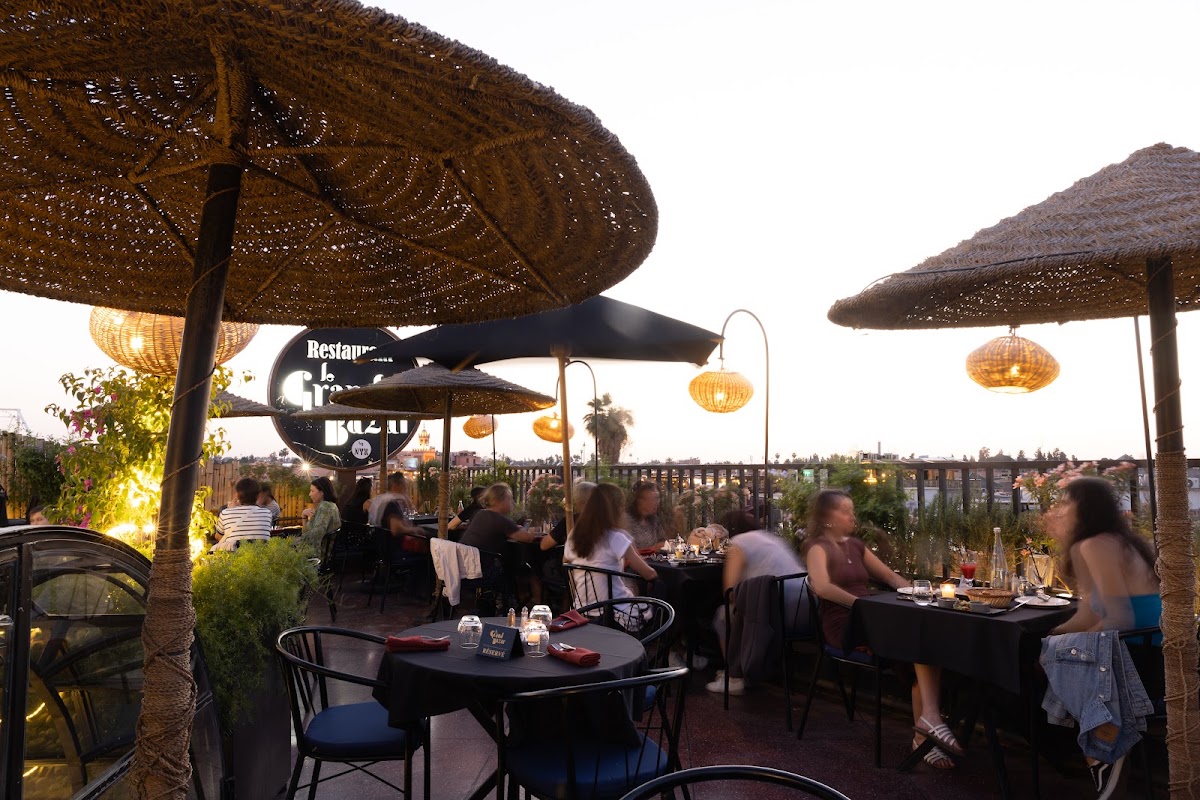
19:00 – 20:00
4.8(8.1K)· Marrakech 40000
Day 3 begins gently, with coffee at Kosy Kawa before the trip's most famous garden. Jardin Majorelle is the work of the artist Jacques Majorelle — exotic plants, water features and a museum of Berber culture packed into a compact, saturated space that photographs better than any description of it reads. Go as early as your morning allows; it is small, and it fills.
Lunch at La Terrasse Du Jardin keeps the greenery going, then the Moroccan Culinary Art Museum turns the day's attention to the table. It is the place to understand what you have been eating for two days, and it quietly changes how the rest of the trip's meals taste. Park Arsat Moulay Abdesalam follows, ornamental gardens from the eighteenth century with fountains, lush foliage and walkways — an unhurried, local kind of place to sit.
The evening is deliberately easy. La fontaine des épices is the sort of stop you linger at rather than tick off, and the day closes upstairs at COCO ROOFTOP RESTAURANT with the city laid out below. After two dense days, this one is meant to feel like a breath.
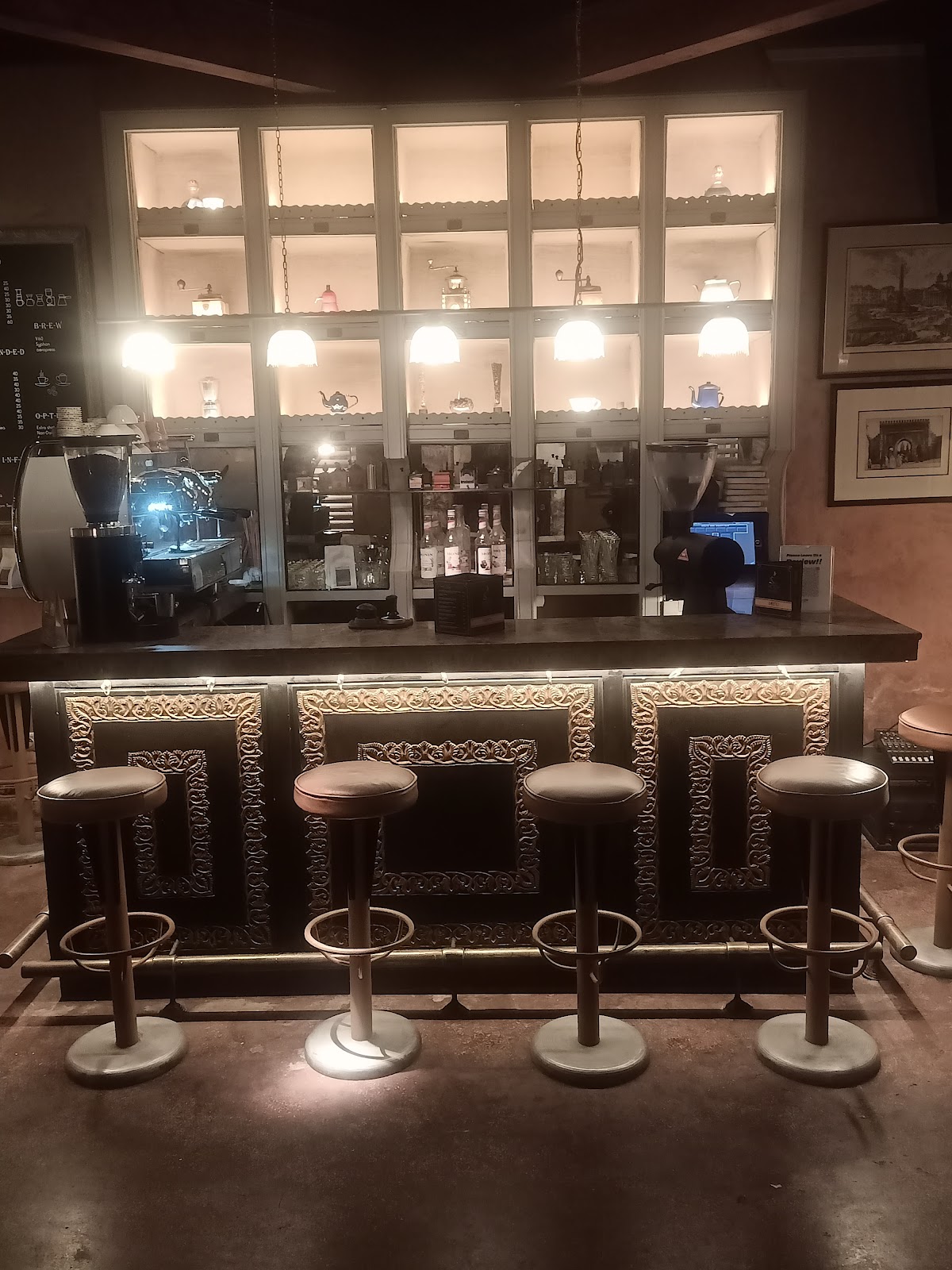
09:00 – 09:45
4.8(438)· Marrakech 40000
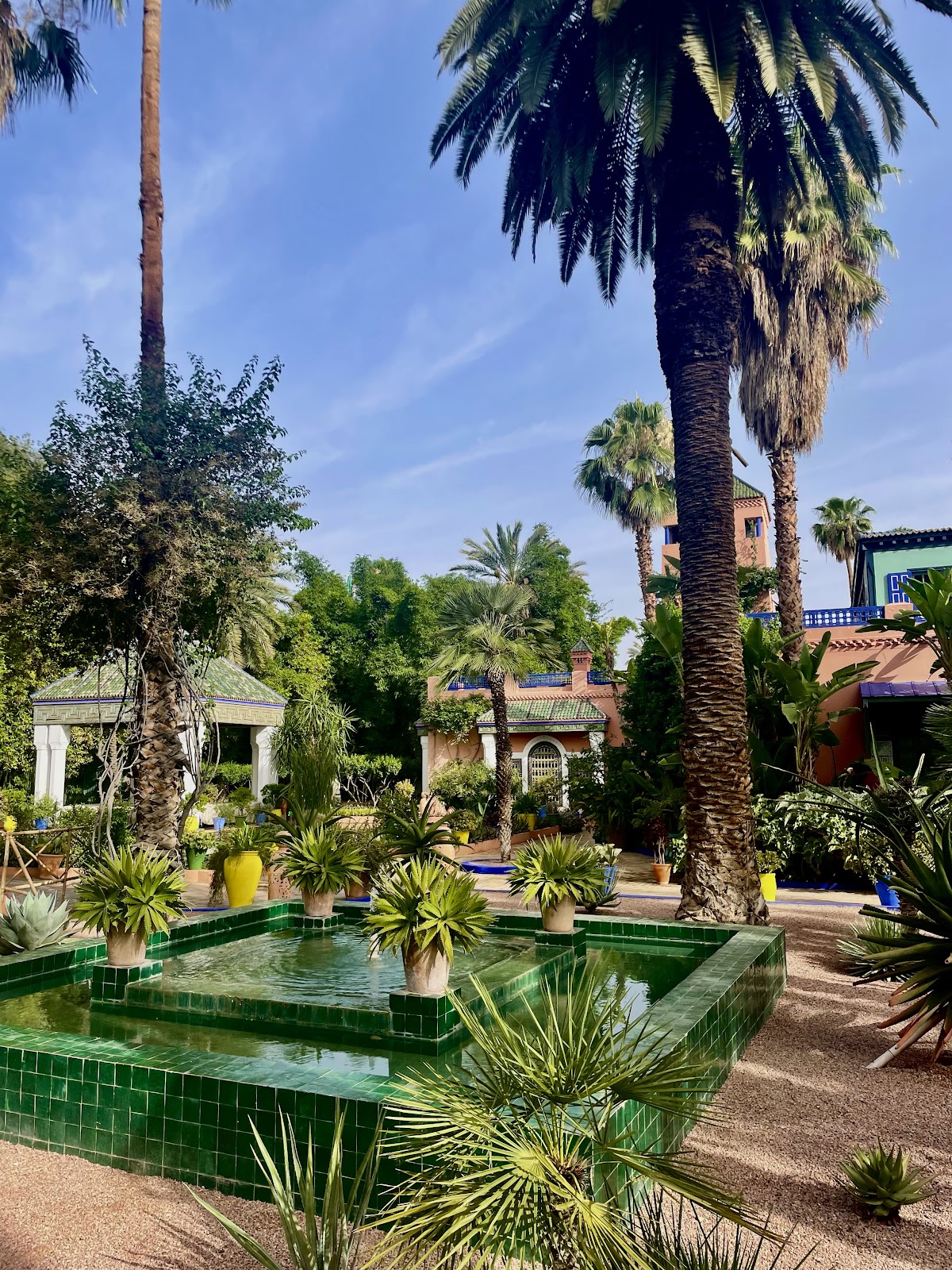
10:00 – 11:30
4.4(60K)· Marrakech 40090
Garden by artist Jacques Majorelle, with exotic plants, water features & a museum of Berber culture.
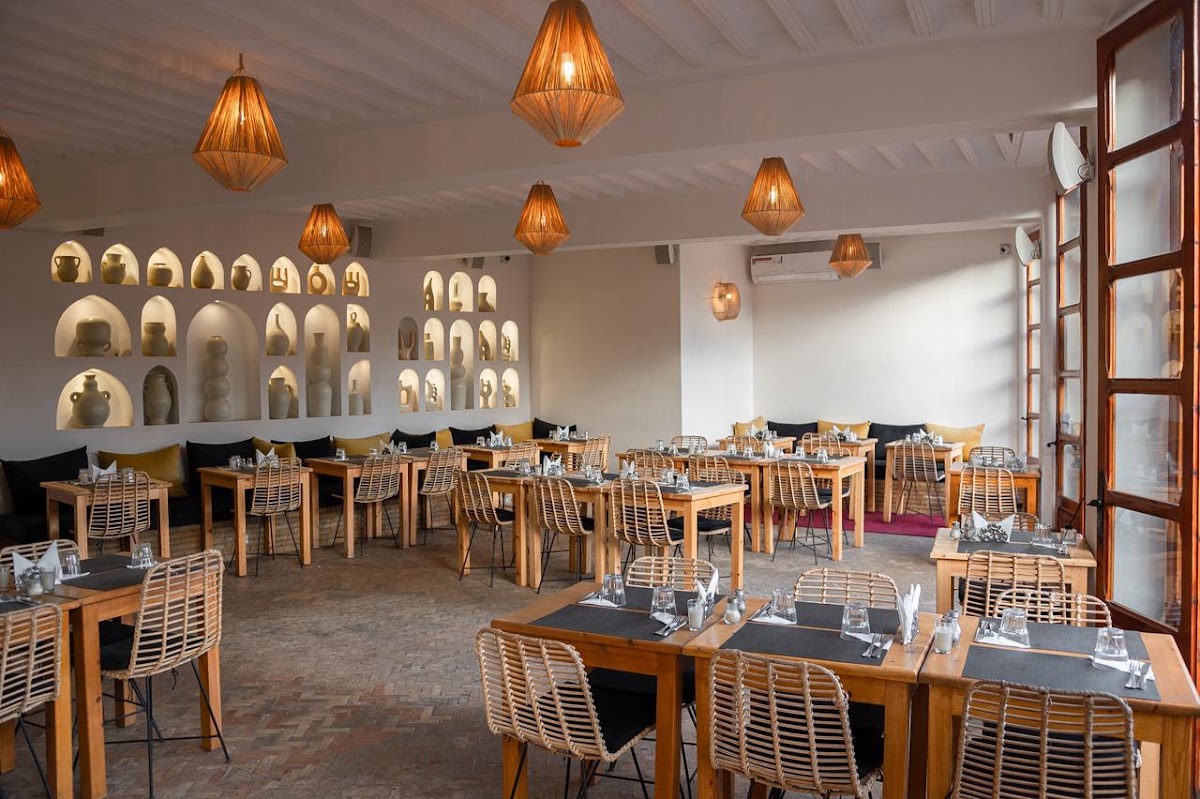
12:15 – 13:15
4.9(7.2K)· Marrakech 40000
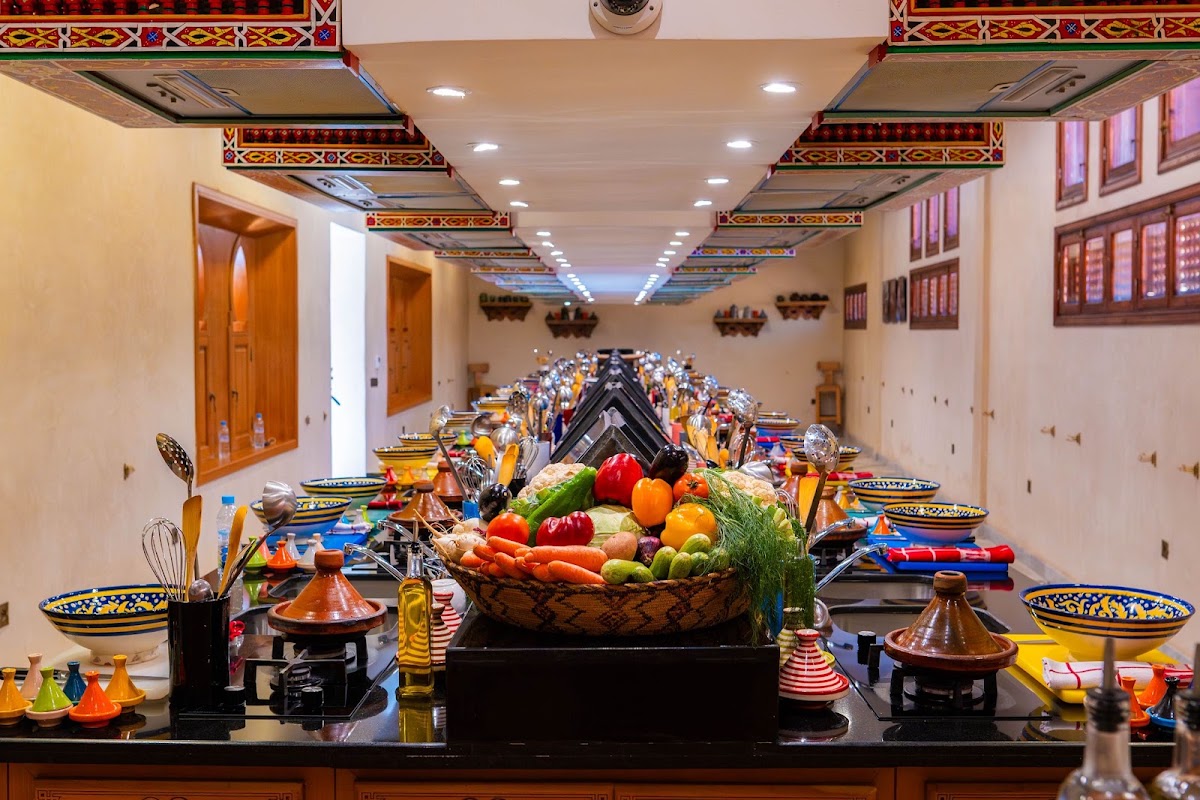
14:00 – 15:15
4.8(1.1K)· Marrakesh 40000
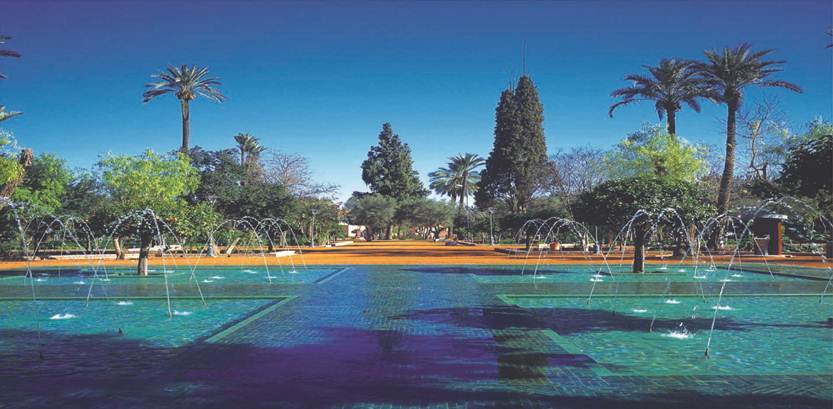
15:30 – 16:30
4.4(5.7K)· Marrakech 40000
Ornamental gardens dating to the 18th century, now featuring fountains, lush foliage & walkways.
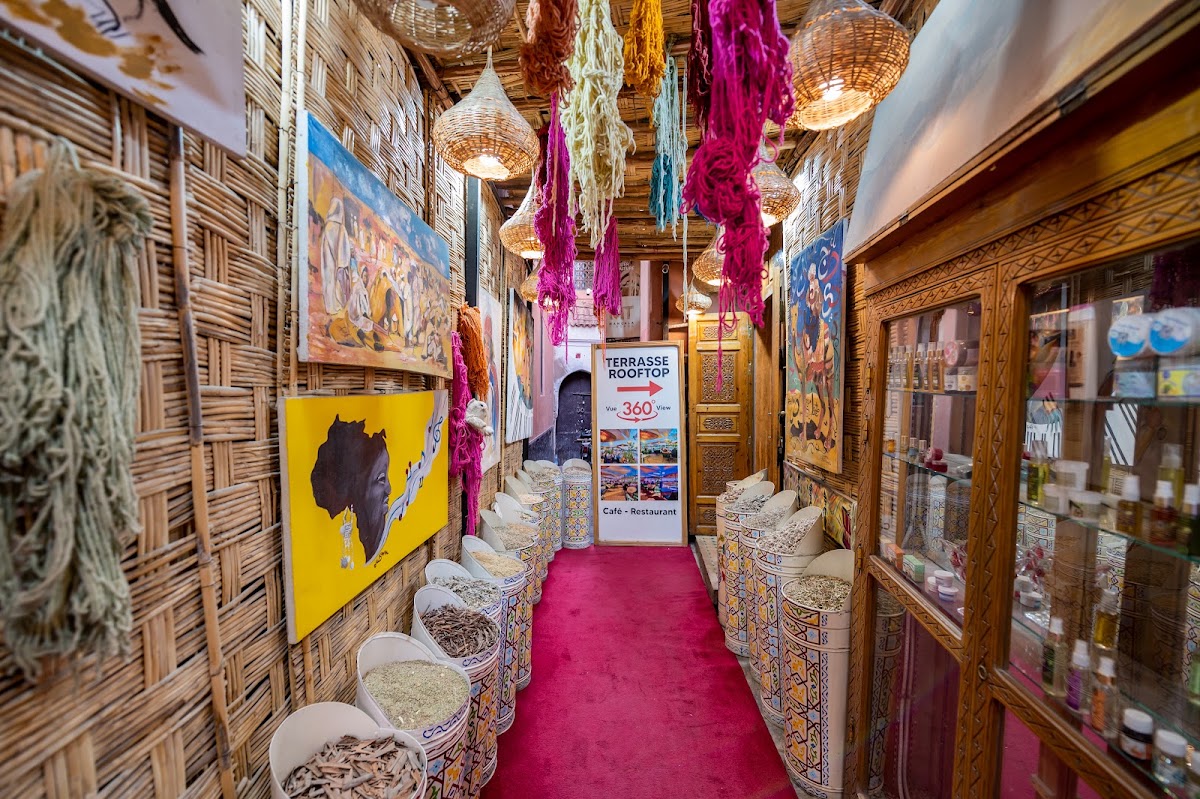
17:00 – 17:45
4.7(10K)· Marrakech 40000
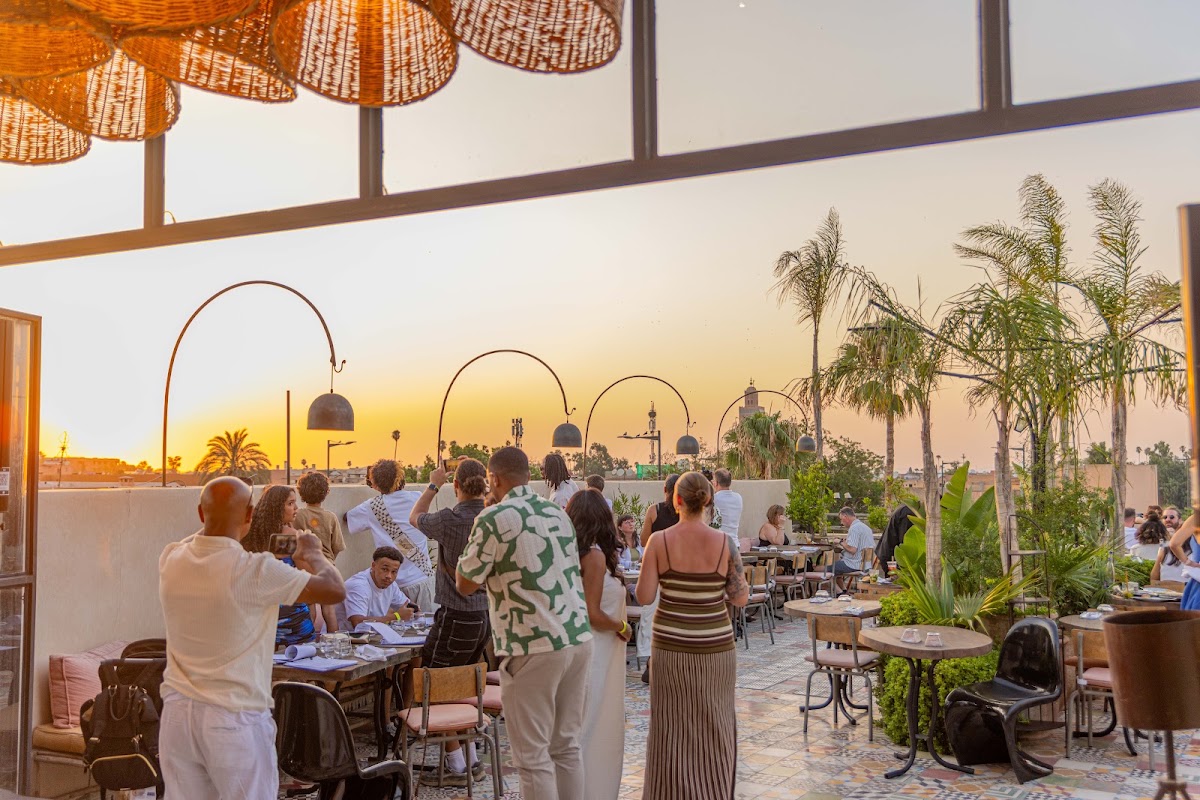
19:00 – 20:00
4.7(1.2K)· Marrakech 40000
Breakfast at Terra mia café sets up a morning with more sky in it. Menara Gardens is a botanical garden begun in the twelfth century, built around a scenic pavilion and a large artificial lake with mountain views beyond — a wide, calm counterweight to the narrow lanes of the days before.
Park Lalla Hasana continues the theme with manicured greenery, fountains, benches, sculptures, palm trees and flowers, and it is the sort of place where you notice how residents actually use their city. Lunch at Restaurant Leopard Marrakech marks the turn back toward the old city and the trip's final stretch.
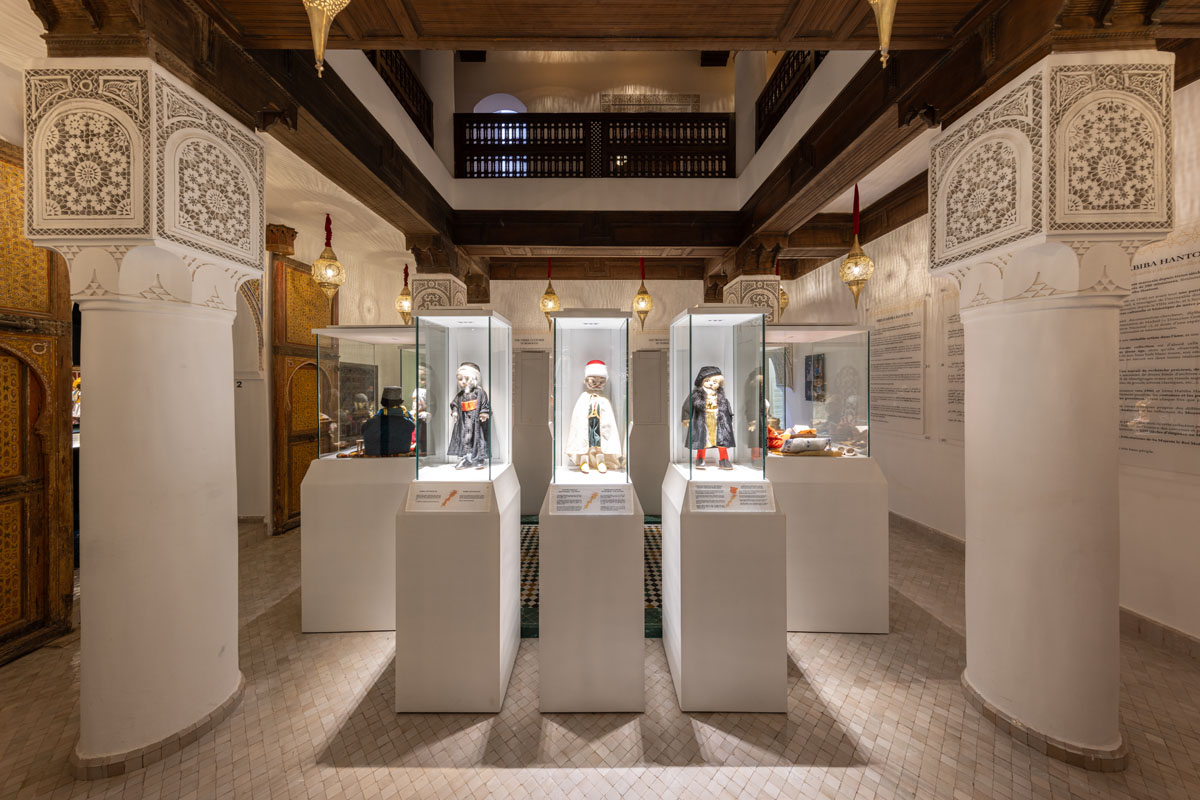
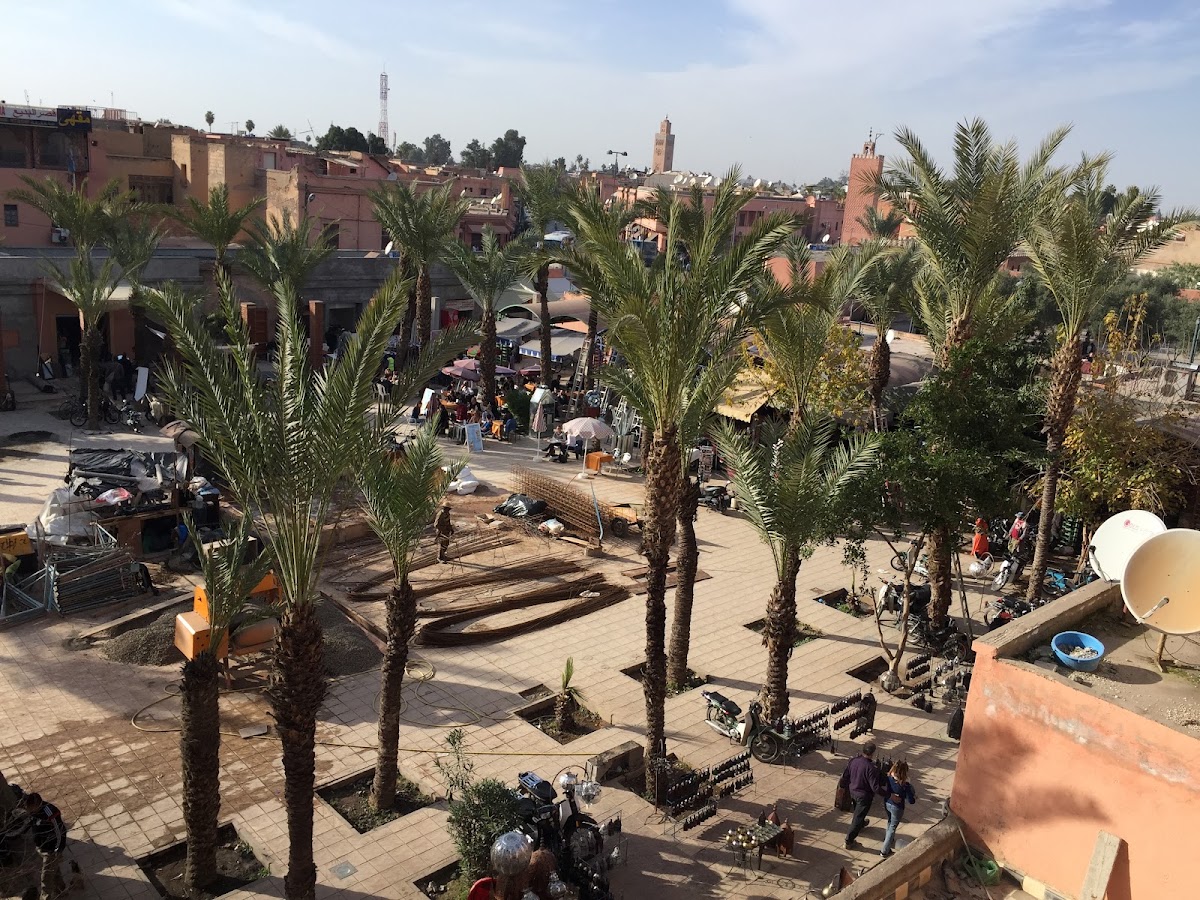
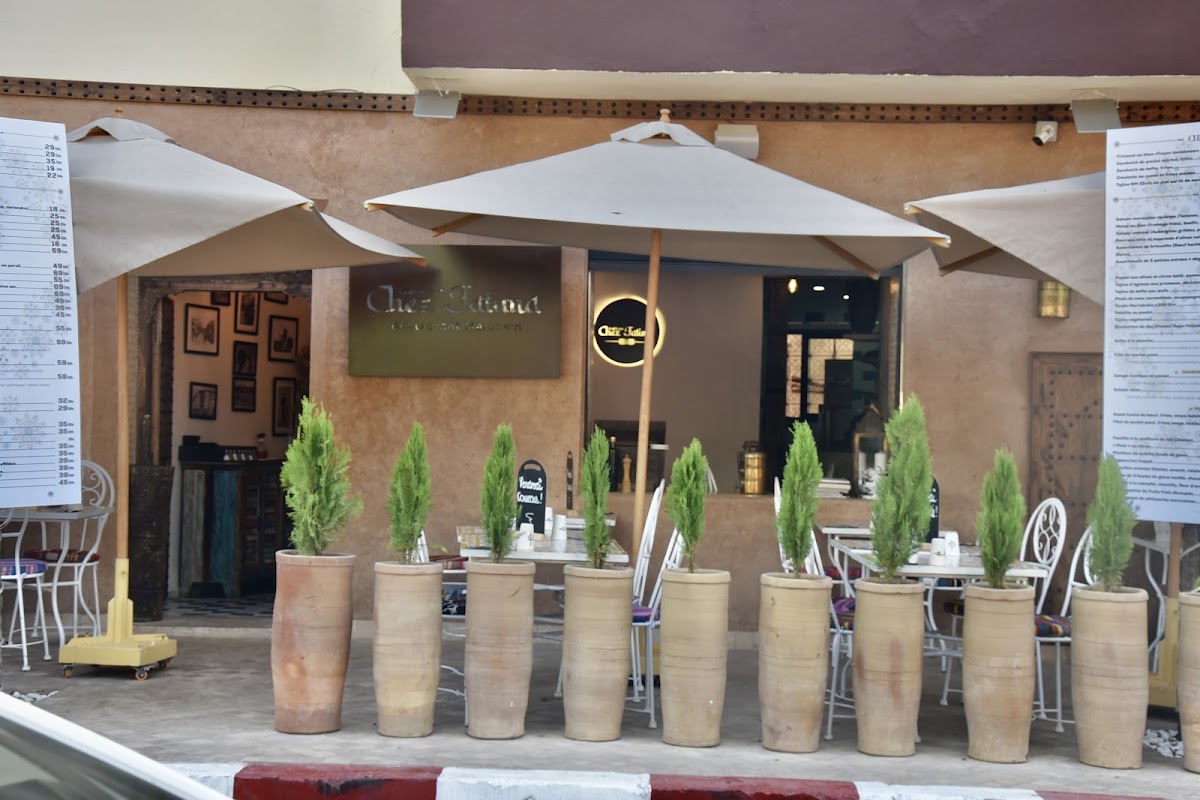
The Museum of Moroccan Elegance covers dress, adornment and style, and it is a smart primer for what comes next: Tinsmiths Square, the palm-lined square in the Mellah where artisans hammer out tin lamps and housewares in front of you. If you are going to buy one thing all trip, buy it here, then close the plan over dinner at Restaurant Chez Fatima, where Moroccan cooking shares the menu with international plates for an easy final night.
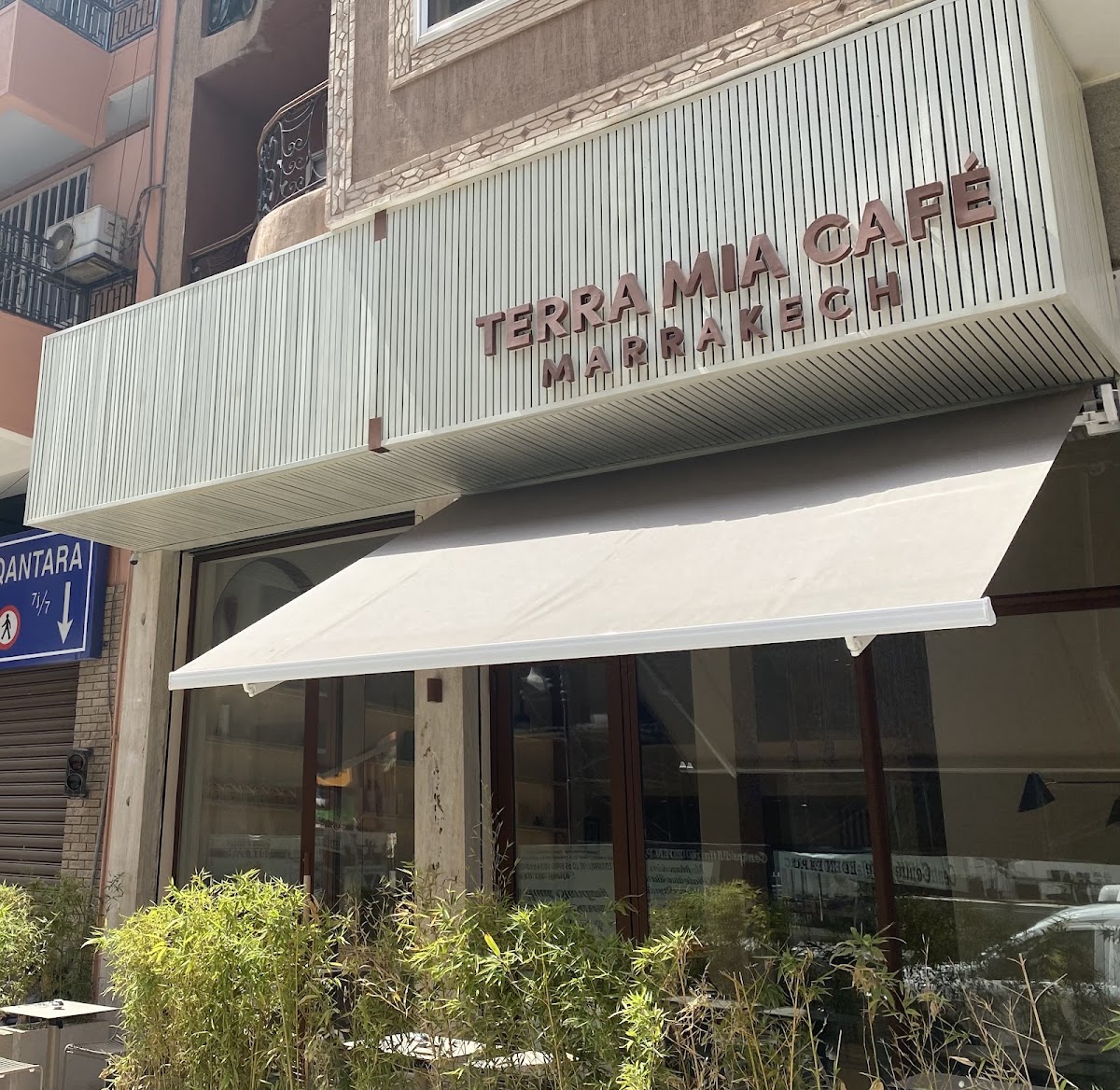
08:30 – 09:30
4.6(762)· Marrakech 40000
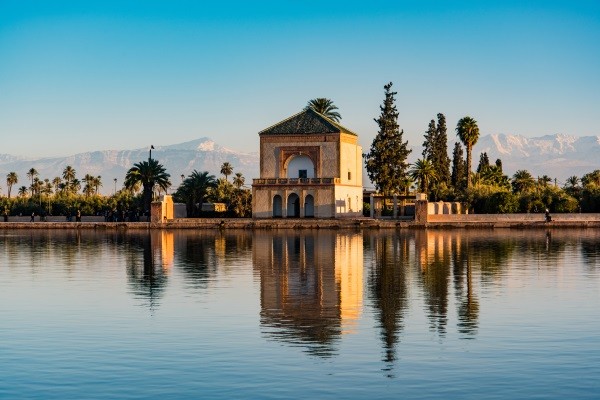
10:00 – 11:00
4.1(8.2K)· Marrakech 40000
12th-century botanical garden with a scenic pavilion, artificial lake & mountain views.
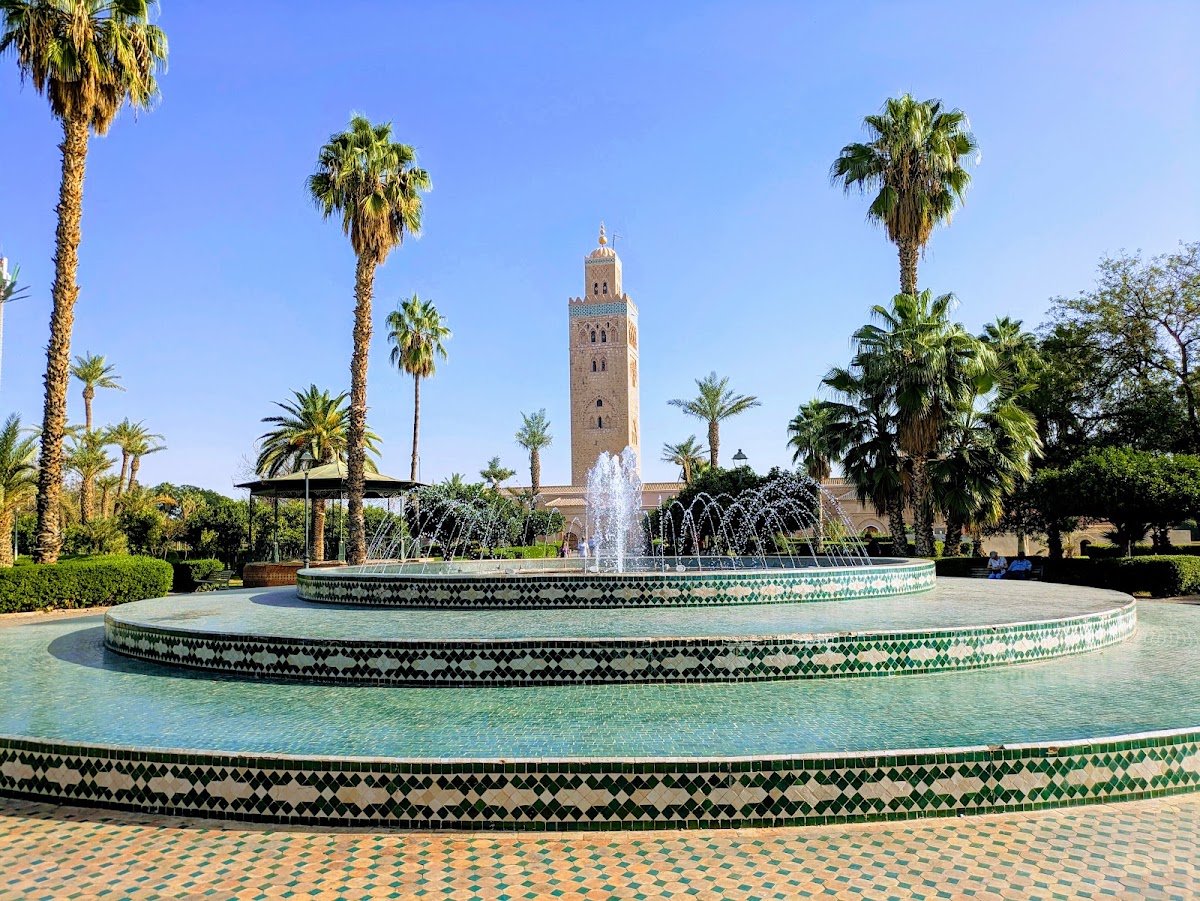
11:00 – 12:00
4.4(1.4K)· Marrakesh 40000
Manicured green space featuring fountains, park benches, sculptures, palm trees & flowers.
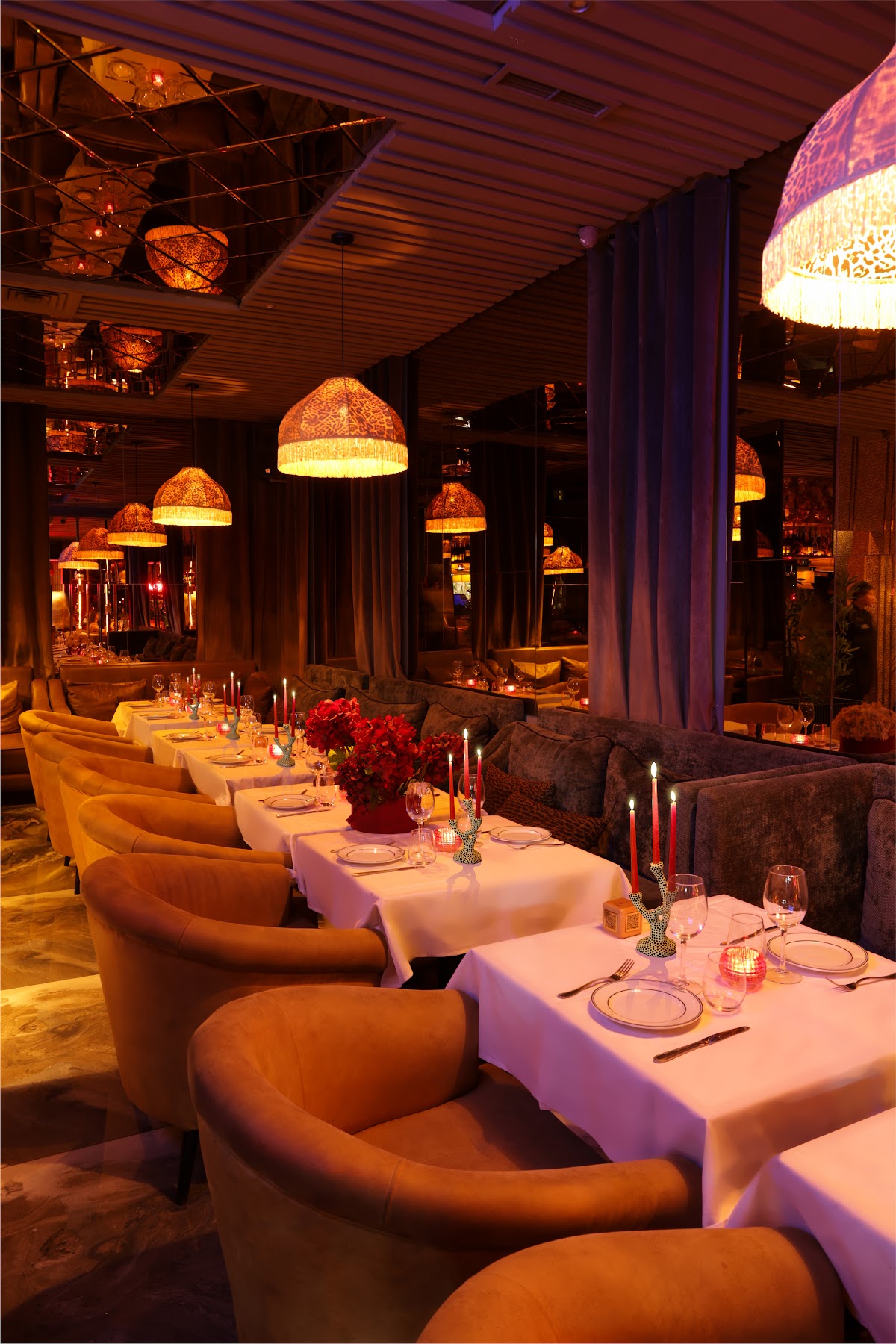
13:00 – 14:00
4.8(5.4K)· Marrakech 40000
14:30 – 16:00
4.9(479)· Marrakech 40000
16:15 – 16:45
4.4(1.3K)· Marrakech 40000
Scenic, palm-lined square in the Mellah with artisans selling handcrafted tin lamps & housewares.
19:00 – 20:00
4.9(5.1K)· Marrakech 40100
Marrakech is at its most comfortable in the milder halves of the year. Spring and autumn bring warm, dry days that suit long walks between courtyards and squares, with cool evenings made for rooftop dinners. Summer is genuinely hot, which is when the gardens and shaded museums earn their place in the plan, while winter days stay bright and pleasant with a jacket needed after dark. Because this itinerary leans on courtyards, covered lanes and short hops, it works year-round.
For a first visit, yes — comfortably. Four days let this plan give the landmarks and palaces a full day, the courtyards and souks another, and then ease off with gardens and craft, all without a single dawn start. You will not exhaust a city this layered, but you will leave having done the essentials properly instead of half-seeing a dozen things.
A good amount, though it is clustered rather than punishing. Days 1 and 2 keep Koutoubia, Jemaa el-Fnaa, the palaces and Souk Semmarine within short walks of one another, and Days 3 and 4 spread out to Jardin Majorelle and Menara Gardens with brief taxi hops between stops. Comfortable shoes matter more than fitness here.
Bahia Palace, Madrasa Ben Youssef and Jardin Majorelle are the three worth securing ahead, since timed entry saves you the longest queues — especially at Jardin Majorelle on Day 3. Jemaa el-Fnaa, the souks and the parks are simple walk-ins, and the restaurants on the plan are easy to reserve the day before.
Yes. This is a ready-made Wayfaro itinerary: open it in the app and regenerate it for your own dates, group size and interests, and the plan re-times itself around your choices while keeping the same relaxed shape.
Marrakech · 2 days
2 Days in Marrakech: The Perfect First-Timer ItineraryMarrakech · 3 days
3 Days in Marrakech: The Perfect First-Timer ItineraryMarrakech · 5 days
5 Days in Marrakech: The Perfect First-Timer ItineraryAmsterdam · 2 days
2 Days in Amsterdam: The Perfect First-Trip ItineraryTell Wayfaro how you travel and get a personalized day-by-day itinerary in minutes.